Message from the Chair: 2022 Election Results

It is my pleasure to announce the results of the 2022 DPS elections.

Congratulations to Carol Raymond, who is the incoming Vice-Chair, and to Shawn Brooks and Jennifer Hanley, the incoming Committee members, and to Samuel Myers, incoming Student Representative. These elected members will begin their terms of service after the Members Meeting at the 54th Annual DPS meeting in October.

The Vote on the changes to the DPS Bylaws as proposed was approved. https://aas.org/sites/default/files/2022-06/DPS_Bylaws_Markup.pdf

The Division for Planetary Sciences relies on volunteers for its leadership positions and we thank all members who were willing to run for these elected positions. A special thanks to our Nominating Subcommittee, Desiree Cotto-Figueroa, Alessondra Springmann, and Morgan Cable for assembling the 2022 slate of candidates, Secretary Maria Womack, for running the elections and to the AAS for their technical support.

Diana Blaney

DPS Chair

Anny-Chantale Levasseur-Regourd 1945-2022

Anny-Chantal Levasseur-Regourd (ACLR, as she liked to call herself) combined in her work ground-based and space-based observations as well as laboratory and numerical simulations to better understand the physical properties of cometary and interplanetary dust. She was appointed as a professor of astronomy and space physics at the Université Pierre et Marie Curie (Paris VI) in 1985 and became professor emeritus in 2013, combining teaching activities with the research at the Service d’Aéronomie and, since 2009, LATMOS institute. In 1977, she applied to the ESA astronaut selection campaign and was the only woman selected amongst the final participants.

She started her research with studies of the interplanetary medium and derived the first global map in intensity and polarization of the zodiacal light, providing constraints on the local physical properties of the interplanetary dust particles.

ACLR participated in the international campaign of Halley’s comet both with observations from the ground and as the PI of the OPE experiment on-board the European Giotto spacecraft, which observed the linear polarization in the inner coma of the comet. She continued her work on the study of light scattering by irregular particles by developing facilities in the laboratory and in microgravity (such as PROGRA2, CODAG and ICAPS-LSU) to simultaneously study the intensity and polarization of aggregated particles. ACLR participated in the Rosetta mission, and actively participated in the development of the EnVisS camera, a multiwavelength polarimetric imager of the ESA Comet Interceptor spacecraft due to be launched in 2029.

Edited from a longer tribute:

https://planetarynews.org/memoriam/aclr.html

Newsletter 22-22

Issue 22-22, Aug 13, 2022


+————————————CONTENTS—————————————-+

  1. MESSAGE FROM THE CHAIR: 2022 DPS ELECTION RESULTS
  2. EARLY REGISTRATION ENDS THIS WEEK (AUG 18)
  3. OUTER PLANETS ASSESSMENT GROUP (OPAG) TOWN HALL
  4. SPICE MISSION CONCEPT TEAM WORKSHOP
  5. SEEKING CO-CHAIRS FOR CROSS-AG INCLUSION, DIVERSITY, EQUITY, AND ACCESSIBILITY WORKING GROUP
  6. IN MEMORIAM: ANNY-CHANTALE LEVASSEUR-REGOURD (1945-2022)
  7. JOB, POSITIONS, AND OPPORTUNITIES

+——————————————————————————————–+


1———1———1———1———1———1———1———1———1——-


MESSAGE FROM THE CHAIR: 2022 DPS ELECTION RESULTS


It is my pleasure to announce the results of the 2022 DPS elections.


Congratulations to Carol Raymond, who is the incoming Vice-Chair, and to Shawn Brooks and Jennifer Hanley, the incoming Committee members, and to Samuel Myers, incoming Student Representative. These elected members will begin their terms of service after the Members Meeting at the 54th Annual DPS meeting in October.


The Vote on the changes to the DPS Bylaws as proposed was approved. https://aas.org/sites/default/files/2022-06/DPS_Bylaws_Markup.pdf


The Division for Planetary Sciences relies on volunteers for its leadership positions and we thank all members who were willing to run for these elected positions. A special thanks to our Nominating Subcommittee, Desiree Cotto-Figueroa, Alessondra Springmann, and Morgan Cable for assembling the 2022 slate of candidates, Secretary Maria Womack, for running the elections and to the AAS for their technical support.


Diana Blaney

DPS Chair


2———2———2———2———2———2———2———2———2——-


EARLY REGISTRATION ENDS THIS WEEK (AUG 18)


For those planning to attend in person, please allow time for your proof of vaccination to clear.  Most members have been experiencing turn-around times in the range of 20 minutes to several hours. However, the vendor recommends leaving yourself 24-48 hours. Once your vaccination status has been verified, you will be provided a code to use to complete your registration.


Please note that in the event that your vaccination record is not in your professional name, you can register with whatever professional name you choose. The two systems are not linked. You will get a coded number once you are vaccine certified and that is what DPS registration will ask for. You will then be able to register using their normal DPS information.


Those traveling internationally to Canada for the DPS meeting, please continue to monitor https://travel.gc.ca/travel-covid. You must use the ArriveCan (either Android or iOSap, or the ArriveCan website) to enter Canada.  

See https://www.canada.ca/en/border-services-agency/services/arrivecan.html


You can register at this link:

https://aas.org/meetings/dps54/registration


Also, please note that there has been some confusion about the meeting that ends on a Thursday – that will not be until 2024. This year’s meeting ends on Friday Oct 7.


3———3———3———3———3———3———3———3———3——-


OUTER PLANETS ASSESSMENT GROUP (OPAG) TOWN HALL


Europlanet Science Congress 2022, Palacio de Congresos de Granada, Spain

Convener: Jeffrey Moore (OPAG Co-Chair)

Fri, 23 Sep, 13:45–15:15 (CEST)|Room Splinter Sala de Prensa

SMW6


The purpose of the Outer Planets Assessment Group (OPAG) Town Hall is to update the community on OPAG activities and get community input for upcoming activities, especially in light of the new Decadal Survey recommendations and possible opportunities for international cooperation.


https://meetingorganizer.copernicus.org/EPSC2022/session/44830


4———4———4———4———4———4———4———4———4——-


SPICE MISSION CONCEPT TEAM WORKSHOP


The SPICE (Space Interferometer for Cosmic Evolution) mission concept team is hosting a community workshop to help plan the next NASA Far-Infrared Probe mission concept. SPICE will offer imaging resolution comparable to that of the Webb telescope, but at ten-times longer wavelengths (25 – 400 μm) with sensitivity greatly surpassing that of Herschel to transform our understanding of:

• the physical processes that drive the evolution of galaxies and their central supermassive black holes throughout cosmic time;

• planet formation and water delivery to nascent planets;

• planetary system architectures and their development; and

• gas and ice giant exoplanet atmospheres.


Most of SPICE’s operational phase will be dedicated to a general observing program based on community proposals. The purpose of the community workshop is to introduce the SPICE mission concept, describe the legacy observations envisaged by the SPICE science team, and give you an opportunity to ask questions and suggest observations that will influence the Design Reference Mission (DRM). The DRM will be used to right-size the mission lifetime and describe a typical day, month, and year in the life of the mission. Please check the SPICE website (https://asd.gsfc.nasa.gov/spice) for a synopsis of the mission’s measurement capabilities.


The workshop will be held on Wednesday, 14 September 2022, from 10 am to 2 pm US eastern time. It will be an all-virtual event. An agenda and connection instructions will be provided in the coming weeks. For now, we simply ask you to indicate your interest in attending the workshop by completing a registration form: https://forms.gle/jGCJoriezQQtJGdr6


We hope you will take advantage of this opportunity to shape a mission that could be the world’s next space-based far-infrared observatory. Please join us on September 14th.


Sincerely,


Dave Leisawitz ([email protected]) and the SPICE Science Team


5———5———5———5———5———5———5———5———5——-


SEEKING CO-CHAIRS FOR CROSS-AG INCLUSION, DIVERSITY, EQUITY, AND ACCESSIBILITY WORKING GROUP


The Cross-AG Inclusion, Diversity, Equity, and Accessibility Working Group (IDEA WG) is looking for a new Co-Chair! The IDEA WG aims to support NASA and the Planetary Science Assessment/Analysis Groups (AGs) in building a more inclusive planetary science community, by developing and disseminating relevant resources, findings, and recommendations. The WG periodically reports to the Planetary Science Advisory Committee (PAC), which is tasked with advising NASA’s Planetary Science Division.


The two WG Co-Chairs are responsible for organizing WG meetings, co-creating strategies for advancing IDEA in planetary science, and advocating for the group’s consensus recommendations. Membership is open to all, but you do not need to be a current member of the WG in order to apply for the Co-Chair position. Applications for the open Co-Chair position are due by Wednesday, August 31, 2022 and may be submitted in written, video, audio, or other form to [email protected].


More about the Working Group, and application guidelines at: https://www.lpi.usra.edu/idea/working-group. Please feel free to email [email protected] with any questions about the group, co-chair responsibilities, or the selection process.


6———6———6———6———6———6———6———6———6——-


IN MEMORIAM: ANNY-CHANTALE LEVASSEUR-REGOURD (1945-2022)


Anny-Chantal Levasseur-Regourd (ACLR, as she liked to call herself) combined in her work ground-based and space-based observations as well as laboratory and numerical simulations to better understand the physical properties of cometary and interplanetary dust. She was appointed as a professor of astronomy and space physics at the Université Pierre et Marie Curie (Paris VI) in 1985 and became professor emeritus in 2013, combining teaching activities with the research at the Service d’Aéronomie and, since 2009, LATMOS institute. In 1977, she applied to the ESA astronaut selection campaign and was the only woman selected amongst the final participants.


She started her research with studies of the interplanetary medium and derived the first global map in intensity and polarization of the zodiacal light, providing constraints on the local physical properties of the interplanetary dust particles.


ACLR participated in the international campaign of Halley’s comet both with observations from the ground and as the PI of the OPE experiment on-board the European Giotto spacecraft, which observed the linear polarization in the inner coma of the comet. She continued her work on the study of light scattering by irregular particles by developing facilities in the laboratory and in microgravity (such as PROGRA2, CODAG and ICAPS-LSU) to simultaneously study the intensity and polarization of aggregated particles. ACLR participated in the Rosetta mission, and actively participated in the development of the EnVisS camera, a multiwavelength polarimetric imager of the ESA Comet Interceptor spacecraft due to be launched in 2029.


Edited from a longer tribute:

https://planetarynews.org/memoriam/aclr.html


7———7———7———7———7———7———7———7———7——-


JOB, POSITIONS, AND OPPORTUNITIES


  1. Education Specialist, National Air and Space Museum

This position is located in the Education Department-School Programs, National Air and Space Museum (NASM), in the Smithsonian Institution (SI).  The incumbent responsibilities are split between managing the Discovery Station program and coordinating production needs for virtual programming at both the National Mall Building in Washington, DC and Steven F. Udvar-Hazy Center in Chantilly, VA.

More than one selection may be made from this announcement. This job will close when we have received 100 applications which may be sooner than the closing date.

Duties and responsibilities include:

  • Discovery Station Program Manager – Manages the upkeep of 30+ Discovery Stations, including ensuring stations are stocked with all necessary items and are in working order so that they can be successfully presented to visitors.
  • Production Coordinator for Education – Produces media content for visitors, for presentation both virtually and in the physical museum.
  • Education Material Development – Develops training and support materials in collaboration with NASM stakeholders like educators, curators and docent coordinators in order to assist Discovery Station facilitators in learning about and successfully facilitating the Stations.


  1. Scientific editor, American Astronomical Society Journals (incl. exoplanets)

The American Astronomical Society (AAS) is soliciting applications from candidates for a position as Scientific Editor for the AAS Journals. This work will primarily support publications in The Astrophysical Journal, The Astrophysical Journal Letters, The Astrophysical Journal Supplements, and the Astronomical Journal.   The search will be conducted by Ethan Vishniac, the current Editor in Chief of the AAS Journals, in consultation with the editorial board and the Publications Committee of the AAS. We are looking for candidates that have a record of achievement in astronomy and astrophysics, with particular emphasis on the fields of exoplanets, the physics of the interstellar medium, and the high energy physics of active galactic nuclei, as well as experience as an author and referee in one of these fields. Previous editorial experience is not required. We are committed to increasing diversity on our editorial board, so that it reflects the broad geographic and cultural diversity of our author community.

This is a part time position and should be held in conjunction with an academic or research appointment at a home institution. A Scientific Editor is expected to devote approximately 10% of their time to coordinating peer review of submitted manuscripts. Compensation will include a modest stipend, currently $15k USD per year, a waiver allowance at the AAS journals, and support for equipment and travel necessary to their work. Their responsibilities will include

  • Finding qualified referees for journal articles, evaluating their reports and mediating the subsequent correspondence with the authors.


  • Maintaining high scientific standards for articles published in the AAS journals and the integrity of the review process.


  • Whenever necessary, consulting with relevant experts on the Editorial Board of the AAS Journals (https://journals.aas.org/editorial/), and responding to requests for technical assistance from them. These consultations may include purely scientific questions about submissions or even requests for editorial handling of a submission that falls within a Science Editor’s area of expertise.


  • Participating in the annual editorial meetings.


Candidates for this position should submit a cover letter, CV, and the names of two references to [email protected]. Selected candidates will be asked to provide a letter from their institution supporting their commitment to editorial work.

The cover letter should address the candidate’s qualifications, reason for interest in the position. Applications submitted by September 30 2022 will be given full consideration. AAE/EOE.


+———————————


Send submissions to: Maria Womack, DPS Secretary ([email protected])

You’re receiving this email because you are a DPS member. To unsubscribe or update your information, please send your request to [email protected]. The more general AAS privacy policy is available online at https://aas.org/about/policies/privacy-policy. Current and back issues of the DPS Newsletter can be found at newsletters


To unsubscribe from this list please go to https://lists.aas.org/confirm/?u=WumMgxrgIYvmfnfPIPRxfPgLc6qriC4R

Newsletter 22-21

Issue 22-21, Aug 3, 2022

+————————————CONTENTS—————————————-+

  1. DPS ELECTION CLOSES AUG 12
  2. 2022 DPS URM TRAVEL GRANT CALL OPEN UNTIL AUGUST 5
  3. EARLY REGISTRATION FOR DPS 54TH MEETING ENDS AUGUST 18
  4. COMMUNITY WORKSHOP ON FUTURE PLANETARY OBSERVATIONS WITH THE NEW HORIZONS SPACECRAFT
  5. DPS 2022 WOMEN IN PLANETARY SCIENCE DISCUSSION HOUR
  6. DPS EXECUTIVE COMMITTEE LISTENING BOOTH AT LONDON MEETING
  7. NASA PLANETARY SCIENCE DIVISION TOWNHALL – DECADAL SURVEY INITIAL RESPONSE
  8. THE SMALL BODIES ASSESSMENT GROUP’S NEXT MEETING (SBAG #28) WILL BE JANUARY 24-26, 2023 AT IPAC ON THE CALTECH CAMPUS IN PASADENA, CA, AND ONLINE
  9. 2022 DPS URM TRAVEL GRANT APPLICATION OPEN UNTIL AUGUST 5
  10. DPS 2024 MEETING TO END THURSDAY, OCTOBER 10, 2024
  11. JOB, POSITIONS, AND OPPORTUNITIES

+——————————————————————————————–+


1———1———1———1———1———1———1———1———1——-


DPS ELECTION CLOSES AUG 12


We need to hear from you! Please vote in the DPS election. If you can’t find your ballot in your email, please email the DPS Secretary (Maria Womack) at [email protected].

This election has two components: Division leaders and DPS Bylaws changes.

LEADERSHIP: We’re choosing a new Vice-Chair, two DPS Committee members, and one Student Representative to the DPS Committee. The Vice-Chair will become Chair in October 2023. Information and position statements for all candidates have been collected into this single PDF and are listed below:

Vice Chair (1 to be elected):

Carol Raymond, NASA JPL

Joe Spitale, SETI Institute


Committee (2 to be elected):

Flaviane Venditti, University of Central Florida

Driss Takir, NASA JSC

Jennifer Hanley, Lowell Observatory  

Shawn Brooks, NASA JPL  


Student representative (1 to be elected):

Samuel Myers, University of Arizona

Robert Melikyan, University of Arizona

Alex Rousch, University of Texas at San Antonio

BYLAWS: The proposed amendments to the Bylaws are to add a new Officer of the Division (the Professional Culture & Climate Officer), and also whenever a post for all officers that work with subcommittees falls vacant to seek and consider recommendations from the relevant subcommittee’s members.

As stipulated by the DPS Bylaws, the proposed amendments to the Bylaws were first recommended by the Committee and then were submitted to and approved by the AAS Board of Trustees. The last step is for the proposed amendments to be ratified in a ballot by two-thirds of the Members voting. The amendments were presented and discussed at the 53rd DPS Conference members meeting in October 2021.

You can read the exact wording and changes markup in the DPS Bylaws Markup before voting FOR or AGAINST approval.

2———2———2———2———2———2———2———2———2——-


2022 DPS URM TRAVEL GRANT CALL OPEN UNTIL AUGUST 5


The DPS once again offers travel funds to encourage and support participation of students, scientists, and other space professionals who are members of historically underrepresented and underserved racial and ethnic groups. In partnership with the National Society of Black Physicists (NSBP), awards are available for members of Black/African American, Indigenous, and/or Latinx communities to support attendance at the annual DPS meeting and/or the annual NSBP meeting. To apply for in-person travel support for either the DPS or NSBP 2022 meeting, please apply by August 5.


Tentatively, a later deadline will be set for applications for virtual registration (but such applications can be submitted now).


The application can be found at content/underrepresented-minority-communities-planetary-science-travel-grant-form.


The DPS community is encouraged to support this fund – donations can be submitted at:Inclusivity/support-underrepresented-minority-communities-planetary-science.

3———3———3———3———3———3———3———3———3——-


EARLY REGISTRATION FOR DPS 54TH MEETING ENDS AUGUST 18


Join us in the heart of the planetary science community in Canada for DPS 54. To be held both virtually and in person 2 – 7 October 2022 in London, Canada, this hybrid meeting will include options for active remote participation, such as the popular iPoster presentation format. As our first in-person meeting since 2019, #DPS2022 promises to provide a lively environment, a jam-packed scientific schedule, and the chance to reconnect once again with colleagues and friends.


Early registration fees are $795 for full members attending in person and $410 for full members attending virtually. All other registration fees, including regular and late registration fees, student registration, and more can be found at the link below:


https://aas.org/meetings/dps54/registration


4———4———4———4———4———4———4———4———4——-


COMMUNITY WORKSHOP ON FUTURE PLANETARY OBSERVATIONS WITH THE NEW HORIZONS SPACECRAFT


OCT 2, 2022, 3-5 PM EASTERN


The New Horizons team is hosting a community workshop for creative discussion of future planetary science that may be conducted with the New Horizons spacecraft.  Please join us and bring your ideas/expertise for potential planetary applications and observations!  We will give an overview of the instruments and resources available, and use the remainder of the time for active brainstorming.  The 2-hr workshop will be hybrid, both in-person (at the DPS conference venue) and virtual attendance will be supported.  The workshop will be on Sunday Oct 2, 2022, 5-5 pm Eastern (the day before the DPS meeting).  The workshop is free to attend.  You do not need to be registered for the DPS meeting to attend virtually, but all participants, both in person and virtual, should fill out the separate registration form specific to this workshop at the following link: https://bit.ly/DPS_NH_22.  Please contact Kelsi Singer ([email protected]) with questions.


5———5———5———5———5———5———5———5———5——-


DPS 2022 WOMEN IN PLANETARY SCIENCE DISCUSSION HOUR


Oct 4 hybrid event


Join us for the annual Division for Planetary Sciences Women in Planetary Science event in a hybrid format on October 4, Noon-1 Eastern.  All are welcome!  For in person, please register by August 15 – that is when we need to get the initial food order in.


We will have both online and in person event hosts to facilitate conversation for both types of attendees.  This year the format will be mostly small-group discussions on professional development topics.  Please see more details and register for the event at http://bit.ly/DPS_WiPS_2022.   The event is free to attend.  A huge thanks(!) to our generous sponsor AURA (https://www.aura-astronomy.org/) for supporting this event again this year.  We know plans change, but please register ASAP if there is a 50% chance you will attend either in person or virtual so we can start to plan.  


6———6———6———6———6———6———6———6———6——-


DPS EXECUTIVE COMMITTEE LISTENING BOOTH AT LONDON MEETING


The DPS Executive Committee will be staffing a “listening booth” during the London Meeting to get member feedback on issues of importance to them.  Please stop by and share your thoughts on any issue. There will be opportunities for both in person and virtual attendees!


7———7———7———7———7———7———7———7———7——-


NASA PLANETARY SCIENCE DIVISION TOWNHALL – DECADAL SURVEY INITIAL RESPONSE


NASA’s Planetary Science Division (PSD) is hosting a virtual community townhall Thursday, August 18th, 2022, from 2 to 4 p.m. (Eastern). This townhall is a forum for Dr. Lori Glaze, PSD Director, to provide the agency’s initial public response to the NASEM Planetary Science and Astrobiology Decadal Survey 2023–2032. Public questions will be addressed at the end of the presentation. Questions can be submitted before, or during, the event at this link: https://nasa.cnf.io/sessions/y2xm/#!/dashboard.


The townhall will be recorded and posted online following the event at: https://science.nasa.gov/solar-system/documents.


Townhall Connection details:


Join link: https://nasaenterprise.webex.com/nasaenterprise/j.php?MTID=m3b4aefc164c2332859e3e66fe21afe7d

Webinar number: 2761 431 7417

Webinar password: MUf3AygJ$48 (68332945 from phones)


Join by phone:

+1-929-251-9612 USA Toll 2

+1-415-527-5035 US Toll

Access code: 276 143 17417


8———8———8———8———8———8———8———8———8——-


THE SMALL BODIES ASSESSMENT GROUP’S NEXT MEETING (SBAG #28) WILL BE JANUARY 24-26, 2023 AT IPAC ON THE CALTECH CAMPUS IN PASADENA, CA, AND ONLINE


In-person attendees will be required to adhere to Caltech’s COVID prevention policies. At the present time these include a strict vaccine mandate and wearing a medical grade mask while indoors. All in-person attendees will be required to show proof of vaccination.


https://www.lpi.usra.edu/sbag/


Bonnie Buratti (SBAG Chair)


9———9———9———9———9———9———9———9———


DPS 2022 DEPENDENT CARE GRANTS


The DPS Susan Niebur Professional Development Fund provides financial assistance to qualifying members of the DPS in order to facilitate their meeting participation by offsetting dependent care costs (such as childcare, elder care, spousal care, etc) at the meeting location, or at home, during the DPS conference week. This includes dependent care expenses needed to allow participation in the 2022 DPS meeting, whether you will be attending in-person or virtually.


The DPS Professional Development Subcommittee will accept applications for dependent care subsidies to assist an eligible DPS member to participate in the 2022 DPS Meeting. The initial submission deadline is Thursday, September 8, 2022.  The review of submissions will begin September 9; however, further requests will be accepted and reviewed, funding and eligibility permitting.


Please access the grant application form at development#grants .


Mark Gurwell, Tracy Becker, & Nicholas Lang

DPS Professional Development Subcommittee members


10———10———10———10———10———10———10———10——


DPS 2024 MEETING TO END THURSDAY, OCTOBER 10, 2024


The DPS committee has voted to end the 2024 meeting on Thursday October 10, 2024 to avoid impacting the start of Yom Kippur. The impact on the meeting format (e.g. shorter meeting, starting the scientific program on Sunday with workshops and opening reception on Saturday) is still being worked with the SOC, LOC, and VOC.


11———11———11———11———11———11–——-11———11——


JOB, POSITIONS, AND OPPORTUNITIES


A. Postdoc – Boston University – Radio occultations of plasma environments

in the Jupiter system


The Center for Space Physics at Boston University invites applications

for a postdoctoral researcher position supervised by Professor Paul

Withers. The research will involve (A) analysis and interpretation of

radio occultation observations of Jupiter’s ionosphere by the Juno

spacecraft and (B) planning for future radio occultations of Europa’s

ionosphere by the Europa Clipper spacecraft. Depending on the

candidate’s interests, analysis of existing observations of the various

plasma environments in the Jupiter system may also be possible.

Candidates should possess a PhD degree in a relevant field. Experience

conducting research on planetary ionospheres or other plasma

environments is desirable. The salary offered will be competitive and

commensurate with experience. Funding is available for two years with

the possibility of extension. The appointment is expected to begin as

soon as possible after 1 January 2023. Please contact Paul Withers

([email protected]) for further information.


Applications should be sent by email to Paul Withers ([email protected]).

The application should be submitted in PDF format and contain a

curriculum vitae, statement of research interests, and contact

information for three referees. Review of applications will begin on 1

October 2022. Women and underrepresented minorities are particularly

encouraged to apply. Boston University is an equal

opportunity/affirmative action employer.


B. Postdoctoral Position at Brown University Studying Martian Surface Processes


Postdoctoral researcher sought for the Planetary Sciences group at Brown University. This project focuses on martian rockfalls as a dynamic erosional process. Additionally, the position could include independent Mars-related research of the candidate’s own choosing using HiRISE and other remote sensing data. Women, members of historically underrepresented groups, and individuals with disabilities are particularly encouraged to apply. Potential applicants are welcome to contact Dr. Ingrid Daubar ([email protected]) to discuss the position. Review of applications will begin on August 15, 2021.


For more information:

brown.edu/go/DEEPS-jobs


+———————————


Send submissions to: Maria Womack, DPS Secretary ([email protected])

You’re receiving this email because you are a DPS member. To unsubscribe or update your information, please send your request to [email protected]. The more general AAS privacy policy is available online at https://aas.org/about/policies/privacy-policy. Current and back issues of the DPS Newsletter can be found at newsletters


To unsubscribe from this list please go to https://lists.aas.org/confirm/?u=WumMgxrgIYvmfnfPIPRxfPgLc6qriC4R
Newsletter 22-20

Issue 22-20, Jul 24, 2022

+————————————CONTENTS—————————————-+

  1. REGISTRATION IS OPEN FOR 54TH MEETING OF DPS
  2. DPS ABSTRACTS ARE OPEN UNTIL TUES JUL 26
  3. DPS WOMEN IN PLANETARY SCIENCE DISCUSSION HOUR 2022 – OCT 4 HYBRID EVENT
  4. ELECTION OPEN UNTIL AUG 12
  5. SURVEY TO GUIDE FUTURE DPS MEETING STRUCTURES BY JULY 25
  6. 2022 DPS URM TRAVEL GRANT APPLICATION OPEN UNTIL AUGUST 5

+——————————————————————————————–+

1———1———1———1———1———1———1———1———1———1———

REGISTRATION IS OPEN FOR 54TH MEETING OF DPS

Join us in the heart of the planetary science community in Canada for DPS 54. To be held both virtually and in person 2 – 7 October 2022 in London, Canada, this hybrid meeting will include options for active remote participation, such as the popular iPoster presentation format. As our first in-person meeting since 2019, #DPS2022 promises to provide a lively environment, a jam-packed scientific schedule, and the chance to reconnect once again with colleagues and friends.

Early registration fees are $795 for full members attending in person and $410 for full members attending virtually. All other registration fees, including regular and late registration fees, student registration, and more can be found at the link below:

https://aas.org/meetings/dps54/registration

2———2———2———2———2———2———2———2———2———2———

DPS ABSTRACTS ARE OPEN UNTIL TUES JUL 26

The DPS community is eager to learn more about what you’re working on right now. Don’t wait, submit your meeting presentation abstract today!

The deadline for submission is this Tuesday Jul 26 at 11:59 pm ET. There will be no late abstracts accepted.

https://aas.org/meetings/dps54/abstracts

A separate abstract must be submitted for every presentation.

  • Invited talk (Plenary or Prize)
  • Research Contributed (including Dissertation talks)
  • History
  • Education
  • Workforce

You may present a maximum of four (4) abstracts from the above categories, selecting no more than one paper for any one category.

3———3———3———3———3———3———3———3———3———3———

DPS WOMEN IN PLANETARY SCIENCE DISCUSSION HOUR 2022 – OCT 4 HYBRID EVENT


Join us for the annual Division for Planetary Sciences Women in Planetary Science event in a hybrid format on October 4, Noon-1 Eastern.  All are welcome!  We will have both online and in person event hosts to facilitate conversation for both types of attendees.  This year the format will be mostly small-group discussions on professional development topics.  Please see more details and register for the event at http://bit.ly/DPS_WiPS_2022.   The event is free to attend.  A huge thanks(!) to our generous sponsor AURA (https://www.aura-astronomy.org/) for supporting this event again this year.  We know plans change, but please register ASAP if there is a 50% chance you will attend either in person or virtual so we can start to plan.  For in person, please register by August 15 – that is when we need to get the initial food order in.


4———4———4———4———4———4———4———4———4———4———


ELECTION OPEN UNTIL AUG 12


You should have received your ballot  in your email. If you can’t find your ballot, please email the DPS Secretary (Maria Womack) at [email protected]. This election has two components: voting for Division leaders and considering changes to the DPS Bylaws.


LEADERSHIP: This year we’re choosing a new Vice-Chair, two DPS Committee members, and one Student Representative to the DPS Committee. The Vice-Chair will become Chair in October 2023. Information and position statements for all candidates have been collected into this single PDF.


BYLAWS: The proposed amendments to the Bylaws are to add a new Officer of the Division (the Professional Culture & Climate Officer), and also whenever a post for all officers that work with subcommittees falls vacant to seek and consider recommendations from the relevant subcommittee’s members.


As stipulated by the DPS Bylaws, the proposed amendments to the Bylaws were first recommended by the Committee and then were submitted to and approved by the AAS Board of Trustees. The last step is for the proposed amendments to be ratified in a ballot by two-thirds of the Members voting. The amendments were presented and discussed at the 53rd DPS Conference members meeting in October 2021.


You can read the exact wording and changes markup in the DPS Bylaws Markup before voting FOR or AGAINST approval.


5———5———5———5———5———5———5———5———5———5———


SURVEY TO GUIDE FUTURE DPS MEETING STRUCTURES BY JULY 25


The DPS Meetings Exploration Team (DPS-MXT) is working to identify options for future DPS fall meeting structures (e.g., virtual, in-person focused, or hybrid) that would best serve the full DPS community, and is soliciting input from the DPS community via a survey. The survey will take 5-30min to fill out (depending on your level of answer detail) and is at: https://bit.ly/3R6XUgD. More information about DPS-MXT can be found at meetings/dps-mxt, and questions/comments can be directed to the DPS-MXT Chair, Serina Diniega ([email protected]). Thank you for your help!


6———6———6———6———6———6———6———6———6———6———


2022 DPS URM TRAVEL GRANT APPLICATION OPEN UNTIL AUGUST 5


The DPS once again offers travel funds to encourage and support participation of students, scientists, and other space professionals who are members of historically underrepresented and underserved racial and ethnic groups. In partnership with the National Society of Black Physicists (NSBP), awards are available for members of Black/African American, Indigenous, and/or Latinx communities to support attendance at the annual DPS meeting and/or the annual NSBP meeting. To apply for in-person travel support for either the DPS or NSBP 2022 meeting, please apply by August 5.


Tentatively, a later deadline will be set for applications for virtual registration (but such applications can be submitted now).


The application can be found at content/underrepresented-minority-communities-planetary-science-travel-grant-form.


The DPS community is encouraged to support this fund – donations can be submitted at:Inclusivity/support-underrepresented-minority-communities-planetary-science.


———————————


Send submissions to: Maria Womack, DPS Secretary ([email protected])

You’re receiving this email because you are a DPS member. To unsubscribe or update your information, please send your request to [email protected]. The more general AAS privacy policy is available online at https://aas.org/about/policies/privacy-policy. Current and back issues of the DPS Newsletter can be found at newsletters


To unsubscribe from this list please go to https://lists.aas.org/confirm/?u=WumMgxrgIYvmfnfPIPRxfPgLc6qriC4R

2022 Prize Recepients

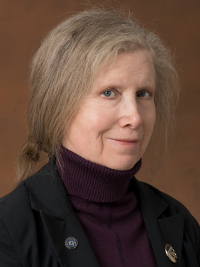
Bonnie Buratti — Gerard P. Kuiper Prize

Bonnie BurattiThe DPS awards the 2022 Gerard P. Kuiper Prize for outstanding contributions to the field of planetary science to Dr. Bonnie Buratti of NASA’s Jet Propulsion Laboratory at the California Institute of Technology for her distinguished achievements in the understanding of planetary and small body surfaces through photometry, her career-spanning leadership in the planetary science community, and the legacy she has created through mentoring early career scientists. Nearly every planetary mission that has involved photometry over the past several decades has benefitted from Dr. Buratti’s modeling of the scattering of light and analysis of the physical properties of planetary surfaces. In addition, Dr. Buratti has led some of the most important observational campaigns conducted by these missions, such as Cassini. As just one example, Dr. Buratti made the definitive albedo map of Pluto and Charon. Dr. Buratti has served in numerous leadership roles in professional societies, including serving as Chair of DPS and SBAG, and has mentored many students every year. Many of her former students are now active planetary scientists in a wide range of institutions.
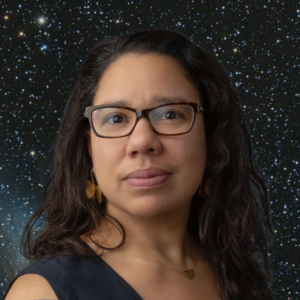


Martha Scott Gilmore — Claudia J. Alexander Prize

Martha GilmoreThe DPS is pleased to award the Claudia J. Alexander Prize recognizing outstanding contributions by a mid-career scientist to Prof. Martha Scott Gilmore of Wesleyan University for her work on Venus geology and the oldest rock units on Venus located in tessera terrain. Prof. Gilmore has shown that the emissivity of tesserae differ from the presumably basaltic plains in a manner consistent with more iron poor, felsic compositions, which is the strongest evidence to date that these rocks contain evolved magmas formed on a more water-rich planet. She has shown that radar emissivity of tesserae and volcanoes varies regionally across the planet, indicating differences in rock composition and degree of weathering or age. Prof. Gilmore’s work has helped usher in a new decade of exploration of Venus with the selection of two new NASA Venus missions. In addition, Prof. Gilmore has served the community through membership in countless community studies and panels relating to Venus and has mentored nearly two dozen student theses.
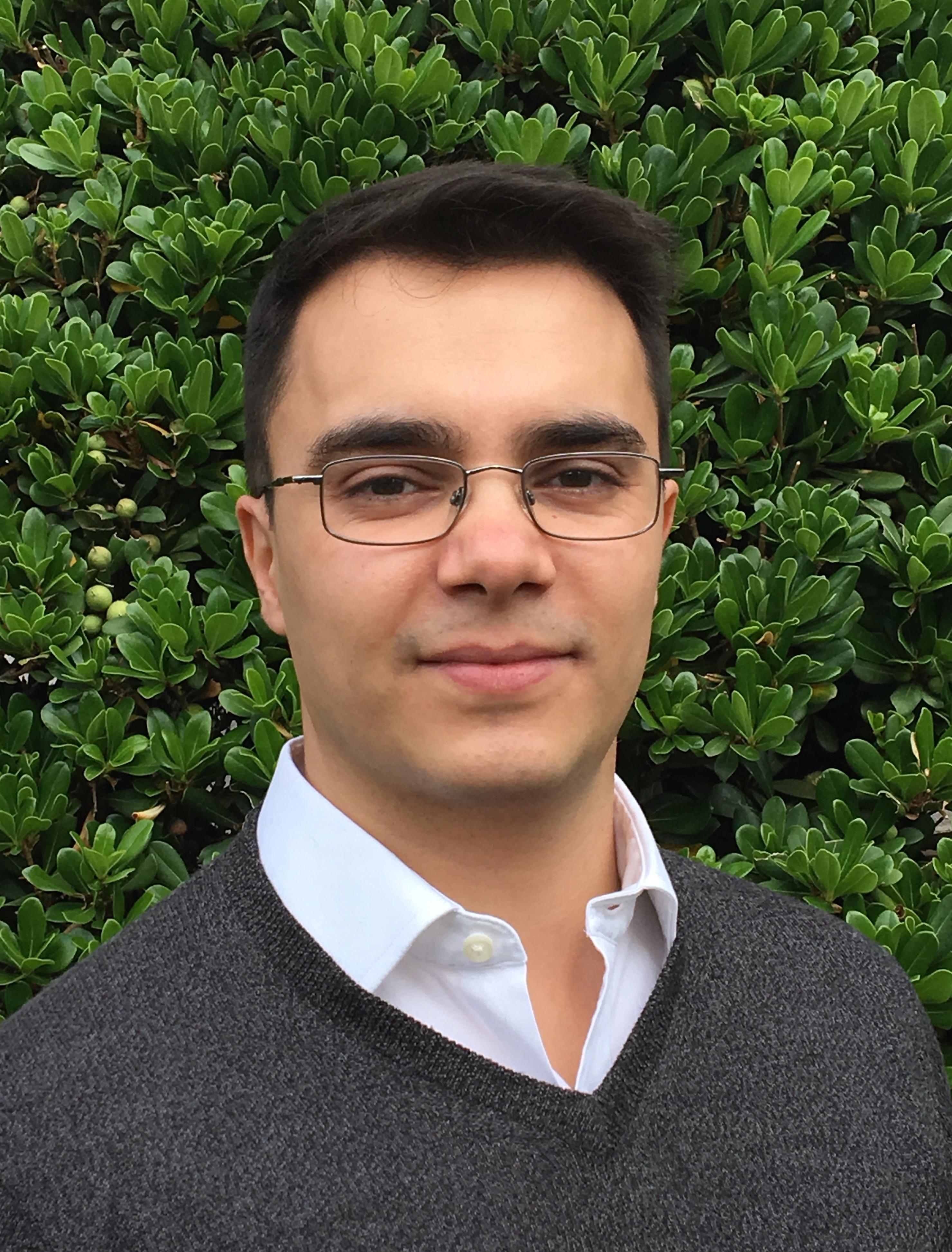


Juan Lora — Harold C. Urey Prize

Juan LoraThe 2022 Harold C. Urey Prize for outstanding achievement in planetary research by an early career scientist is awarded to Professor Juan Lora of Yale University for his development of a novel global circulation model (GCM) of Titan, which he used to successfully explain Titan’s precipitation patterns and river distribution. The model incorporates the effects of polar hazes as well as the impact of Titan’s subsurface hydrology. This model is important for the success of the Dragonfly mission, and Prof. Lora is a valued team member. Prof. Lora has also applied this technique to Earth’s hydrology as well in order to understand atmospheric rivers, which are a key component affected by climate change. The use of advanced GCMs developed for other planets applied to Earth represents a novel and compelling way of helping to protect our home planet. Prof. Lora is additionally noted for his mentorship of students.
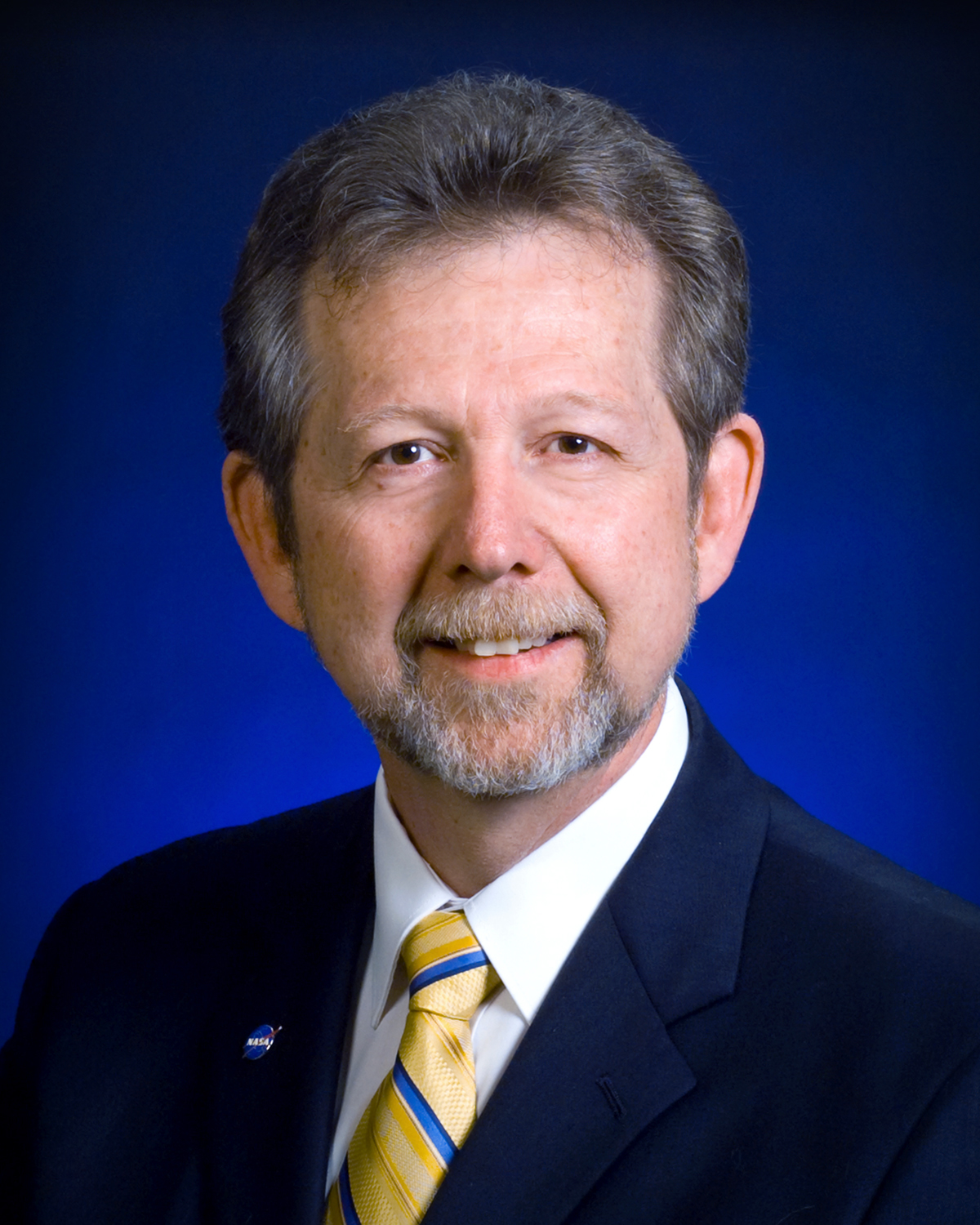


Jim Green — Harold Masursky Award

Jim GreenThe 2022 Harold Masursky Award for meritorious service to planetary science goes to Dr. Jim Green for his twelve years of service as head of NASA’s Planetary Science Division and four years as NASA Chief Scientist. He oversaw the Planetary Science Division through a period of great expansion, and the implementation of numerous ground-breaking planetary science missions and research. He has made a great effort to expand NASA’s international partnerships, promoting the spirit of scientific collaboration and cooperation across boundaries, and he has helped foster the careers of many early career scientists.
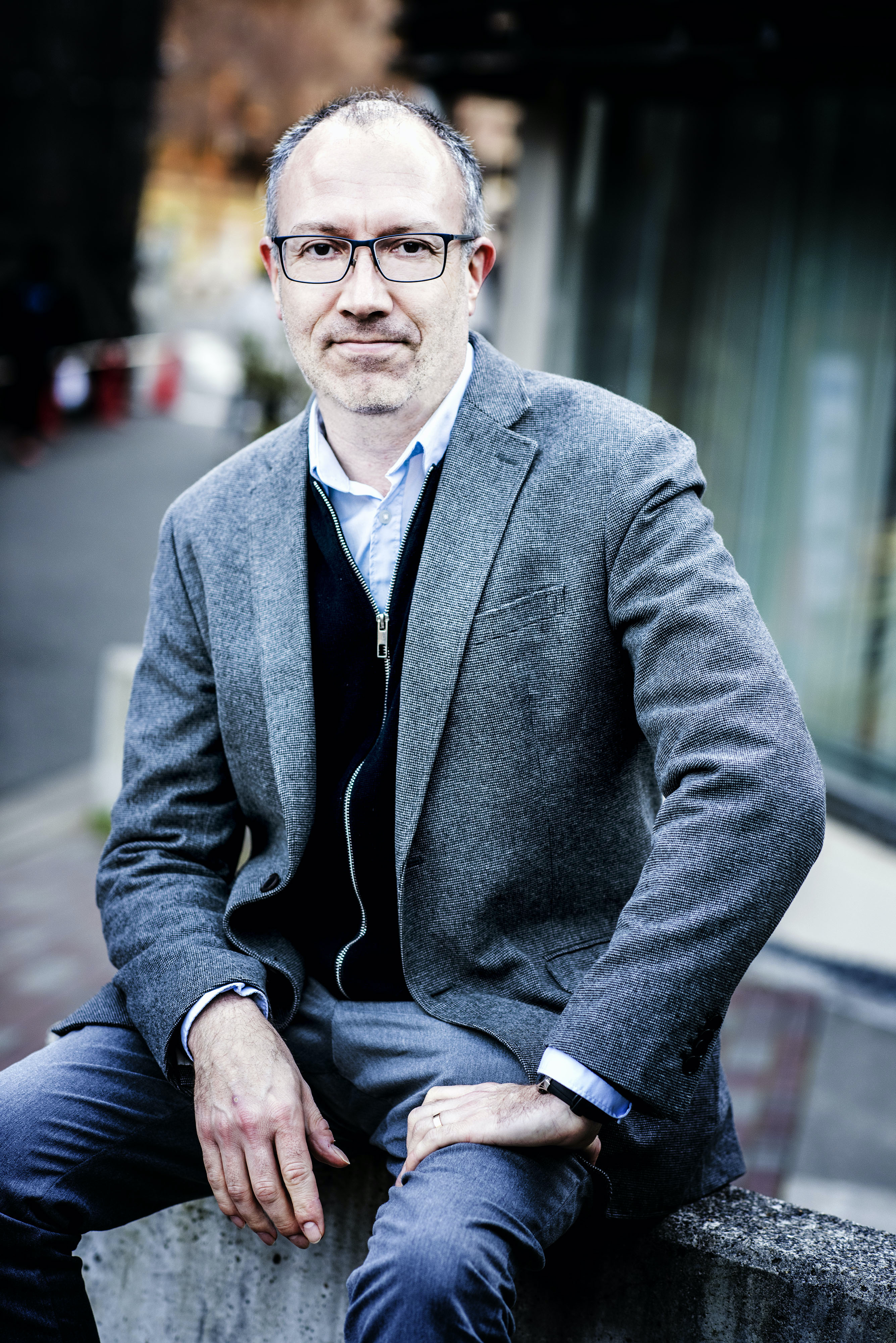


Caleb Scharf — Carl Sagan Medal

Caleb ScharfThe 2022 Sagan Medal for excellence in public communication goes to Dr. Caleb Scharf of Columbia University for broadening public awareness of fields from astrophysics and planetary science to astrobiology, and for stimulating insightful and balanced public conversation on the implications of contemporary research. Dr. Scharf is a prolific writer, having written articles in Scientific American that reach a large number of people. He has also written a widely-used textbook on extrasolar planets and is a highly regarded author of popular science books on astrobiology, astronomy, and technology. He served on the editorial board of Nautilus science magazine and has contributed to a number of movies, documentaries, and popular television shows on science, inspiring many people.
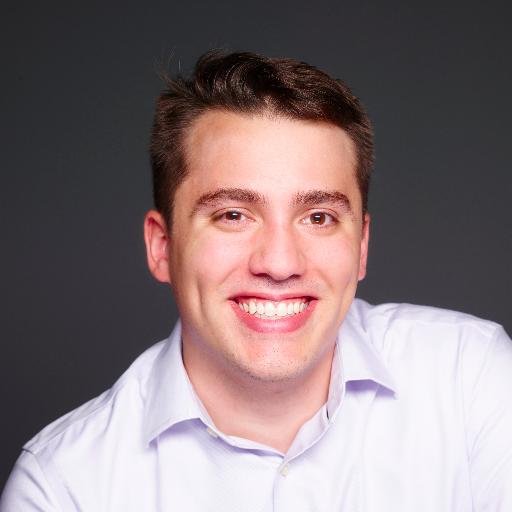


Michael Greshko — Jonathan Eberhart Planetary Sciences Journalism Award

Michael GreshkoThe Jonathan Eberhart Planetary Science Journalism Award for distinguished popular writing goes to Michael Greshko for his article “Small Wonders” published in the National Geographic magazine on August 24, 2021. This elegantly written article takes the reader on a journey through the history of small body science, covering objects from NEOs to TNOs. It deals with wide-ranging topics such as discovery and impact monitoring efforts, spacecraft exploration, as well as Solar System formation models. It describes how small bodies could be responsible for life on Earth, but also have the potential to destroy it. In the end, the article evokes a sense of belonging and being intimately part of the Solar System.

DPS 2022 Elections

PROCEDURE AND HOW TO VOTE

The 2022 election is now open, and will close at 11:59pm ET on August 12, 2022.This election has two components: voting for Division leaders and considering changes to the DPS Bylaws.

LEADERSHIP: This year we’re choosing a new Vice-Chair, two DPS Committee members, and one Student Representative to the DPS Committee. The Vice-Chair will become Chair in October 2023.

BYLAWS: Please review the DPS Bylaws Markup before voting FOR or AGAINST approval.

To vote you should have already received an email asking you to cast your ballot. If you do not see this email in your inbox, please check your spam/junk folder. If you still do not see it, contact the secretary.

Each email contains a link with a unique code that will bring you to the ballot site. There is no need to enter your AAS login information this year. You will be able to review the candidate statements and cast your vote.


CANDIDATE SLATE

The DPS Nominating Subcommittee has identified the following candidates for the 2022 DPS elections for Vice Chair, Committee, and Student Representative. Information and position statements for all candidates have been collected into this single PDF.


Vice Chair (1 to be elected):

Joe Spitale, SETI Institute

Carol Raymond, NASA JPL


Committee (2 to be elected):

Jennifer Hanley, Lowell Observatory  

Shawn Brooks, NASA JPL  

Flaviane Venditti, University of Central Florida

Driss Takir, NASA JSC


Student representative (1 to be elected):

Alex Rousch, University of Texas at San Antonio

Samuel Myers, University of Arizona

Robert Melikyan, University of Arizona


Per the DPS Bylaws, additional candidates for Vice Chair and Committee, supported by a petition of at least 20 DPS members, may be nominated by June 21st. Please send any nominations to the DPS Secretary, Maria Womack, at [email protected].


The DPS Committee thanks the members of the Nominating Subcommittee for their dedicated service to the DPS:

Desiree Cotto Figueroa (Chair), Alessondra Springmann, Morgan Cable

Message from the Chair: Registration Fees

Dear DPS Members,

We are getting ready to open up registration and you will likely have sticker shock at the increase in DPS registration fees for the 2022 London, Ontario meeting. We did too when we met to work through the meeting budget and finalized the numbers.  

Some key guidelines we used in setting the registration fees:

  • DPS should not plan to make a profit on the meetings but should budget for the meeting to roughly break even.
  • Attendance should be assumed to reflect the historical attendance at DPS meetings.
  • Virtual attendees should not subsidize in person meeting costs like food and facilities.

In building the meeting budget we looked at the actual costs of the DPS virtual meetings and DPS in person meetings the most recent of which was 4 years ago. Costs have gone up over this period.  We worked with Catherine Neish (Local Organizing Committee Chair), John Moores (Scientific Organizing Committee Chair) and Tim Holt (Virtual Organizing Committee Chair) to identify what content, tools, and approaches would enable a productive science meeting for both the in person and virtual attendees in a cost-effective manner. A budget was then built from the ground up and voted on by the committee.

There are a lot of unknowns in setting the registration fees. How many people will attend total? What will be the split between in person and virtual? What are the tools/formats/approaches that will work best for a hybrid meeting?  How much more work would it be to do both the in-person part of the meeting and the virtual at the same time?

We have created a working group on the future of DPS meetings with representatives from the different DPS subcommittees. This group is gathering recommendations and will make an initial presentation at the London meeting to work on a longer-term vision of what the DPS meeting of the future will look like. They will be conducting a survey in the near future to get member feedback.

We also kept the student registration as low as we could. There is support for students from the Hartmann Travel Grant. The Underrepresented Minority Communities in Planetary Science Travel Grants are also available to encourage and support participation of students, scientists, and other space professionals who are members of underrepresented racial and ethnic groups.  Information on applying to these funds for the 2022 meeting will be posted shortly.

I hope to see you in London which is shaping up to be a very exciting meeting!

Diana

P.S. Kevin Marvel put up a link on general AAS meetings costs that people may also find helpful.  https://aas.org/posts/news/2020/12/if-its-virtual-why-does-it-cost-anything-all

July 17, 2022

Newsletter 22-19


Issue 22-19, Jul 17, 2022

+————————————CONTENTS—————————————-+

  1. MESSAGE FROM THE CHAIR: REGISTRATION FEES
  2. REMINDER: DPS ABSTRACTS ARE OPEN UNTIL JUL 26
  3. 2022 DPS URM TRAVEL GRANT APPLICATION OPEN UNTIL AUGUST 5
  4. ELECTION OPEN UNTIL AUG 12
  5. SURVEY TO GUIDE FUTURE DPS MEETING STRUCTURES BY JULY 25
  6. AGU SESSION P009: EXTRAORDINARY ENCELADUS
  7. NASA WORKSHOP: SMD BRIDGE PROGRAM
  8. JOBS, POSITIONS AND OPPORTUNITIES


+——————————————————————————————–+


1———1———1———1———1———1———1———1———1———1———


MESSAGE FROM THE CHAIR: REGISTRATION FEES


Dear DPS Members,


We are getting ready to open up registration and you will likely have sticker shock at the increase in DPS registration fees for the 2022 London, Ontario meeting. We did too when we met to work through the meeting budget and finalized the numbers.  


Some key guidelines we used in setting the registration fees:

DPS should not plan to make a profit on the meetings but should budget for the meeting to roughly break even.


Attendance should be assumed to reflect the historical attendance at DPS meetings.


Virtual attendees should not subsidize in person meeting costs like food and facilities.


In building the meeting budget we looked at the actual costs of the DPS virtual meetings and DPS in person meetings the most recent of which was 4 years ago. Costs have gone up over this period.  We worked with Catherine Neish (Local Organizing Committee Chair), John Moores (Scientific Organizing Committee Chair) and Tim Holt (Virtual Organizing Committee Chair) to identify what content, tools, and approaches would enable a productive science meeting for both the in person and virtual attendees in a cost-effective manner. A budget was then built from the ground up and voted on by the committee.


There are a lot of unknowns in setting the registration fees. How many people will attend total? What will be the split between in person and virtual? What are the tools/formats/approaches that will work best for a hybrid meeting?  How much more work would it be to do both the in-person part of the meeting and the virtual at the same time?


We have created a working group on the future of DPS meetings with representatives from the different DPS subcommittees. This group is gathering recommendations and will make an initial presentation at the London meeting to work on a longer-term vision of what the DPS meeting of the future will look like. They will be conducting a survey in the near future to get member feedback.


We also kept the student registration as low as we could. There is support for students from the Hartmann Travel Grant. The Underrepresented Minority Communities in Planetary Science Travel Grants are also available to encourage and support participation of students, scientists, and other space professionals who are members of underrepresented racial and ethnic groups.  Information on applying to these funds for the 2022 meeting will be posted shortly.


I hope to see you in London which is shaping up to be a very exciting meeting!


Diana


P.S. Kevin Marvel put up a link on general AAS meetings costs that people may also find helpful.  https://aas.org/posts/news/2020/12/if-its-virtual-why-does-it-cost-anything-all


2———2———2———2———2———2———2———2———2———2———


REMINDER: DPS ABSTRACTS ARE OPEN UNTIL JUL 26


The deadline for submission is Jul 26. An abstract must be submitted for every presentation. There are 5 types of presentations for the Division for Planetary Sciences Meeting.


  • Invited talk (Plenary or Prize)
  • Research Contributed (including Dissertation talks)
  • History
  • Education
  • Workforce


You may present a maximum of four (4) abstracts from the above categories, selecting no more than one paper for any one category.


3———3———3———3———3———3———3———3———3———3———


2022 DPS URM TRAVEL GRANT APPLICATION OPEN UNTIL AUGUST 5


The DPS once again offers travel funds to encourage and support participation of students, scientists, and other space professionals who are members of historically underrepresented and underserved racial and ethnic groups. In partnership with the National Society of Black Physicists (NSBP), awards are available for members of Black/African American, Indigenous, and/or Latinx communities to support attendance at the annual DPS meeting and/or the annual NSBP meeting. To apply for in-person travel support for either the DPS or NSBP 2022 meeting, please apply by August 5. Tentatively, a later deadline will be set for applications for virtual registration (but such applications can be submitted now).

The application can be found at content/underrepresented-minority-communities-planetary-science-travel-grant-form.


The DPS community is encouraged to support this fund – donations can be submitted at:Inclusivity/support-underrepresented-minority-communities-planetary-science.


4———4———4———4———4———4———4———4———4———4———


ELECTION OPEN UNTIL AUG 12


You should have received your ballot last week in your email. This election has two components: voting for Division leaders and considering changes to the DPS Bylaws.


LEADERSHIP: This year we’re choosing a new Vice-Chair, two DPS Committee members, and one Student Representative to the DPS Committee. The Vice-Chair will become Chair in October 2023. Information and position statements for all candidates have been collected into this single PDF.


BYLAWS: Please review the DPS Bylaws Markup before voting FOR or AGAINST approval.


5———5———5———5———5———5———5———5———5———5———


SURVEY TO GUIDE FUTURE DPS MEETING STRUCTURES BY JULY 25


The DPS Meetings Exploration Team (DPS-MXT) is working to identify options for future DPS fall meeting structures (e.g., virtual, in-person focused, or hybrid) that would best serve the full DPS community, and is soliciting input from the DPS community via a survey. The survey will take 5-30min to fill out (depending on your level of answer detail) and is at: https://bit.ly/3R6XUgD. More information about DPS-MXT can be found at meetings/dps-mxt, and questions/comments can be directed to the DPS-MXT Chair, Serina Diniega ([email protected]). Thank you for your help!


6———6———6———6———6———6———6———6———6———6———


AGU SESSION P009: EXTRAORDINARY ENCELADUS


With the release of the 2023-2032 Decadal Survey Origins, Worlds, and Life, we now know that a return to Enceladus is a top priority of the planetary science and astrobiology communities. The reason why Enceladus is of such profound interest is the extraordinary science that it has provided on ocean world processes and the potential for life beyond Earth.


This long-standing session seeks to continue our discussions on all of the fascinating phenomena that make Enceladus so alluring. We encourage submissions on a wide range of topics that include (but are not limited to): Enceladus’s plume, its jets/curtains, surface geology and composition, tectonics, ocean chemistry, heat generation and transport processes, hydrothermal systems, analog studies, interior structure, thermal and geochemical evolution, formation and age, prebiotic chemistry, habitability, and the possible nature and signatures of life. Submissions on approaches/instruments for future missions are also encouraged.


We welcome a diversity of perspectives.


Please submit your abstract by August 3 at

https://agu.confex.com/agu/fm22/prelim.cgi/Session/159706


Chris Glein (Southwest Research Institute) and Laurie Barge (Jet Propulsion Laboratory)


7———7———7———7———7———7———7———7———7———7———


NASA WORKSHOP: SMD BRIDGE PROGRAM


NASA’s Science Mission Directorate (SMD) will be holding a community workshop in October with the goal of co-creating the NASA SMD Bridge Program. The NASA SMD Bridge Program is a new initiative to improve diversity, equity, inclusion and accessibility within the NASA workforce and within the U.S. science and engineering communities. The program aims to increase engagement and partnering between NASA centers and Minority-Serving Institutions (MSIs), such as Historically Black Colleges and Universities (HBCUs), Tribal Colleges and Universities (TCUs), Primarily Undergraduate Institutions (PUIs), and PhD-granting Universities, with a focus on paid research and engineering student positions at participating institutions to transition science and engineering students from undergraduate studies into graduate schools and employment by NASA.


The NASA SMD Bridge Program Workshop will be fully virtual and is scheduled to take place from October 17-22, 2022. Any and all members of the STEM or STEM education communities are welcome to attend. Interested parties may submit an indication of interest (through July 25, 2022) to attend the workshop here. See the workshop website and FAQ for more information.


Please don’t hesitate to reach out to Dr. Padi Boyd [patricia.t.boyd_at_nasa.gov] with any additional questions. Please also feel free to distribute this announcement to members of your communities.


8———8———8———8———8———8———8———8———8———8———


JOBS, POSITIONS AND OPPORTUNITIES


A. Postdoc MITHNEOS, NAU


The postdoctoral scholar will work in collaboration with Dr. Cristina Thomas and other project team members on the MIT-Hawaii Near Earth Object Spectroscopic Survey (MITHNEOS), a long-running near-infrared spectral survey using SpeX on the NASA Infrared Telescope Facility (IRTF). Leadership of the program has recently passed to Dr. Thomas at NAU. The postdoctoral scholar will take a leading role in all aspects of the survey including target selection, spectroscopic observations (~1 night per month), reduction, and data analysis.

To apply please submit a cover letter, curriculum vitae, a statement of past research accomplishments and future research goals (2 pages or less), and contact information for three references.

content/postdoc-mithneos


———————————


Send submissions to: Maria Womack, DPS Secretary ([email protected])

You’re receiving this email because you are a DPS member. To unsubscribe or update your information, please send your request to [email protected]. The more general AAS privacy policy is available online at https://aas.org/about/policies/privacy-policy. Current and back issues of the DPS Newsletter can be found at newsletters


To unsubscribe from this list please go to https://lists.aas.org/confirm/?u=WumMgxrgIYvmfnfPIPRxfPgLc6qriC4R

ReplyReply allForward


Newsletter 22-18

Issue 22-18, Jul 8, 2022

+————————————CONTENTS—————————————-+

  1. ELECTION NOW OPEN!
  2. REMINDER: DPS ABSTRACTS ARE OPEN UNTIL JUL 26
  3. 2022 DPS URM TRAVEL GRANT APPLICATION OPEN UNTIL AUGUST 5
  4. LPI INTERN STORIES 2022
  5. ATMOSPHERES, CLIMATE, AND POTENTIAL HABITABILITY OF ROCKY EXOPLANETS
  6. REMINDER: DPS PROPOSALS DUE FOR WORKSHOP (JUL 8 TODAY) AND SPLINTER MEETINGS (JUL 14)
  7. SURVEY TO GUIDE FUTURE DPS MEETING STRUCTURES (IN-PERSON, VIRTUAL, HYBRID)
  8. SHARING PLANETARY SCIENCE: USING HANDS-ON ACTIVITIES
  9. THE ROAD TO MISSION SCIENCE: SEMINARS FOR STUDENTS AND EARLY CAREER RESEARCHERS
  10. JOBS, POSITIONS AND OPPORTUNITIES


+——————————————————————————————–+


1———1———1———1———1———1———1———1———1———1———


ELECTION NOW OPEN!


You should have received your ballot yesterday at the email address you registered with AAS/DPS. If you did not see it, please check your spam/junk folder and also check that your membership did not lapse.


This election has two components: voting for Division leaders and considering changes to the DPS Bylaws. Voting will be open until August 12.


LEADERSHIP: This year we’re choosing a new Vice-Chair, two DPS Committee members, and one Student Representative to the DPS Committee. The Vice-Chair will become Chair in October 2023.

For more information about current officers and committee members, please visit the leadership section of the DPS website.


Candidates


Information and position statements for all candidates have been collected into this single PDF; however, if you prefer the information separately, please click on each candidate’s name in this section. The same information is also accessible on your ballot.

Vice-Chair (vote for 1)


DPS Committee Members (vote for 2)


Student Representative (vote for 1)


BYLAWS: Please review the DPS Bylaws Markup before voting FOR or AGAINST approval.


2———2———2———2———2———2———2———2———2———2———


REMINDER: DPS ABSTRACTS ARE OPEN UNTIL JUL 26


What will you present at DPS?


The deadline for submission is Jul 26. An abstract (which will appear in the Meeting program) must be submitted for every presentation. There are 5 types of presentations for the Division for Planetary Sciences Meeting.


  • Invited talk (Plenary or Prize)
  • Research Contributed (including Dissertation talks)
  • History
  • Education
  • Workforce


You may present a maximum of four (4) abstracts from the above categories, selecting no more than one paper for any one category. This applies to in-person, fully remote and hybrid meetings.


There is no limit to the number of abstracts that you may co-author. NOTE: The abstract body text can be a maximum of 2,250 characters (which includes letters, numbers, punctuation, and symbols/special characters).


Only speakers invited by the SOC may submit plenary talks.


 3———3———3———3———3———3———3———3———3———3———


2022 DPS URM TRAVEL GRANT APPLICATION OPEN UNTIL AUGUST 5


The DPS once again offers travel funds to encourage and support participation of students, scientists, and other space professionals who are members of historically underrepresented and underserved racial and ethnic groups. In partnership with the National Society of Black Physicists (NSBP), awards are available for members of Black/African American, Indigenous, and/or Latinx communities to support attendance at the annual DPS meeting and/or the annual NSBP meeting. To apply for in-person travel support for either the DPS or NSBP 2022 meeting, please apply by August 5. Tentatively, a later deadline will be set for applications for virtual registration (but such applications can be submitted now). The application can be found at content/underrepresented-minority-communities-planetary-science-travel-grant-form.


The DPS community is encouraged to support this fund – donations can be submitted at:Inclusivity/support-underrepresented-minority-communities-planetary-science.


4———4———4———4———4———4———4———4———4———4———


LPI INTERN STORIES 2022


Thursday, July 21, 4 p.m. EDT / 3 p.m. CDT / 2 p.m. MDT / 1 p.m. PDT.


Wondering what it takes to become a planetary science intern working alongside LPI and NASA scientists, conducting cutting-edge research? Join us for Intern Stories 2022 to find out! During this free, virtual event, you’ll hear from LPI summer interns about how they applied and prepared for their internship, their ongoing experiences, and how the internship has helped them. Middle and high schoolers, undergraduate students, parents, and educators are encouraged to tune in!


LEARN MORE: https://www.lpi.usra.edu/features/2022/062422/lpi-intern-stories

ZOOM REGISTRATION: https://www.zoomgov.com/webinar/register/WN_pzwVSCFOR-WZE4yJzvU31g

YOUTUBE LIVESTREAM: https://www.youtube.com/c/LPIUSRA


5———5———5———5———5———5———5———5———5———5———


ATMOSPHERES, CLIMATE, AND POTENTIAL HABITABILITY OF ROCKY EXOPLANETS


Time and Location: 12-16 December 2022; Chicago, IL and online


Session ID: 158628


Abstract Submission Deadline: August 3, 2022


Exoplanet discoveries of the past decade have shown that every star hosts at least 0.1-1.0 roughly Earth-sized, or rocky, planets. Our galaxy therefore contains billions of rocky worlds, vastly outnumbering the four rocky planets of our own Solar System. What are these worlds like?


This session invites submissions that probe the nature of rocky exoplanets, including: What can our Solar System teach us about rocky exoplanets? How different are atmospheres and climates on rocky planets around other stars, on rocky planets in exotic orbital states, or on rocky planets with radically different formation histories? How can we characterize such planets via observations? And could the processes that kept Earth habitable over billions of years also occur elsewhere?


Submissions that use observation, experiment, or theory are all welcome.

To submit your abstract, visit: https://go.umd.edu/cSo

Invited Speakers: Wanying Kang (MIT), Martin Turbet (LMD/IPSL)

Conveners: Mark Hammond ([email protected]), Daniel Koll ([email protected]), Thaddeus Komacek ([email protected]), Jun Yang ([email protected] )


6———6———6———6———6———6———6———6———6———6———


REMINDER: DPS PROPOSALS DUE FOR WORKSHOP (JUL 8 TODAY) AND SPLINTER MEETINGS (JUL 14)


Today is the last day to submit a request for a workshop at the DPS Fall Meeting. If you would like to have one for DPS54 please submit a request here:


https://aas.org/meetings/dps54/session-proposals


Are you interested, but not sure which one to request? Read descriptions about both at the link above. It’s a great way to have a more focused gathering with your colleagues at the conference.


7———7———7———7———7———7———7———7———7———7———


SURVEY TO GUIDE FUTURE DPS MEETING STRUCTURES (IN-PERSON, VIRTUAL, HYBRID)


The DPS Meetings Exploration Team (DPS-MXT) is working to identify options for future DPS fall meeting structures (e.g., virtual, in-person focused, or hybrid) that would best serve the full DPS community, and is soliciting input from the DPS community via a survey. The survey will take 5-10 min to fill out (depending on your level of answer detail) and is at: https://bit.ly/3R6XUgD. More information about DPS-MXT can be found at meetings/dps-mxt, and questions/comments can be directed to the DPS-MXT Chair, Serina Diniega ([email protected]). Thank you for your help!


8———8———8———8———8———8———8———8———8———8———


SHARING PLANETARY SCIENCE: USING HANDS-ON ACTIVITIES


Friday, July 22, 4 p.m. EDT / 3 p.m. CDT / 2 p.m. MDT / 1 p.m. PDT.


Learn about a variety of versatile, hands-on activities that scientists can use to engage different audiences in planetary science. Join in to discuss effective strategies and share your experiences and favorite activities.


LEARN MORE: https://www.lpi.usra.edu/education/scientist-engagement

JOIN THE EVENT:


https://www.zoomgov.com/j/1616763689?pwd=enI1UnJDK24rc0tFb1YrcGN2ZEhsQT09

YOUTUBE LIVESTREAM: https://www.youtube.com/c/LPIUSRA


9———9———9———9———9———9———9———9———9———9———


THE ROAD TO MISSION SCIENCE: SEMINARS FOR STUDENTS AND EARLY CAREER RESEARCHERS


The Lunar and Planetary Institute is hosting webinars for those who have an interest in becoming involved in current or future planetary science missions. Undergraduate and graduate students, postdocs, and early career scientists are invited to join us for a discussion of how to prepare for a career in mission science.


The virtual event will feature a panel of mentors and mission scientists representing active and upcoming planetary missions, including Curiosity and PerseveranceDragonfly, and DART. Panelists will share their backgrounds, experiences, and recommendations. Participants will be encouraged to ask questions and make connections with mission scientists. We will describe planetary missions, discuss mission science careers, and highlight relevant opportunities for students and early career scientists.


The next event will be a 90-minute virtual seminar on TUESDAY, JULY 19, at 3 p.m. EDT / 2 p.m. CDT / 1 p.m. MDT / 12 p.m. PDT.


Learn Morehttps://www.lpi.usra.edu/features/2022/061722/seminars

Zoom Registrationhttps://www.zoomgov.com/webinar/register/WN_rIpsEg4_R_6qPSqK3VXcPw 

YouTube Livestream:  https://www.youtube.com/c/LPIUSRA


Check out the Resource Packet https://www.lpi.usra.edu/education/events/The-Road-to-Mission-Science_Resource-Packet.pdf  for information about mission science, internships, fellowships, scholarships, awards, and more.


10———10———10———10———10———10———10———10———10———


JOBS, POSITIONS AND OPPORTUNITIES


A. Caltech/JPL Postdoc in Stable Isotope Geochemistry


Applications are invited for a postdoctoral position in clumped isotope geochemistry within Caltech’s Division of Geological & Planetary Sciences.  The successful applicant will work with Professor John Eiler and Dr. Amy Hofmann (JPL) on the collection and interpretation of clumped isotope signatures in polycyclic aromatic hydrocarbons (PAHs) from different classes of carbonaceous meteorites.


Applicants for this position must have a PhD in geochemistry, organic geochemistry, isotope geochemistry, organic chemistry, or equivalent by the time of the appointment. Additional required qualifications include significant organic chemistry ‘wet lab’ experience and a working knowledge of the principles of stable isotope geochemistry.


The selected candidate is expected to begin as soon as possible.  The initial duration of the position is one year.


The full advertisement (with additional details regarding job responsibilities and application requirements) can be found here: https://www.gps.caltech.edu/about/positions-available/postdoctoral-positions/postdoctoral-position-in-geochemistry


Questions regarding the position should be directed to Dr. Amy Hofmann ([email protected]).


B. Research Space Scientist, NASA GSFC


content/research-space-scientist-1

———————————


Send submissions to: Maria Womack, DPS Secretary ([email protected])

You’re receiving this email because you are a DPS member. To unsubscribe or update your information, please send your request to [email protected]. The more general AAS privacy policy is available online at https://aas.org/about/policies/privacy-policy. Current and back issues of the DPS Newsletter can be found at newsletters


To unsubscribe from this list please go to https://lists.aas.org/confirm/?u=WumMgxrgIYvmfnfPIPRxfPgLc6qriC4R