
Issue 22-30, Oct 16, 2022
+————————————CONTENTS—————————————-+
- SURVEY ABOUT FUTURE MEETINGS FOR DPS FOLKS WHO DID NOT ATTEND THE 2022 DPS HYBRID MEETING
- CENTAURS: A PROPOSED NEW AAS-IOP EBOOK
- NASA SBAG JAN 24-26
- TRICK-OR-TREAT AND TELESCOPES
- SHARING PLANETARY SCIENCE: ADAPTING YOUR TALKS
- JOBS, POSITIONS, AND OPPORTUNITIES
+——————————————————————————————–+
1———1———1———1———1———1———1———1———1———1———1——-
SURVEY ABOUT FUTURE MEETINGS FOR DPS FOLKS WHO DID NOT ATTEND THE 2022 DPS HYBRID MEETING
The DPS Meeting Exploration Team (DPS-MXT) is working to identify options for future DPS fall meeting structures (e.g., virtual, in-person focused, or hybrid) that would best serve the full DPS community, and is soliciting input from the DPS community via a new survey. Those registered for the 2022 DPS hybrid meeting will find our questions in the usual DPS post-meeting survey (please fill that out when you receive the email!). For those who did not attend this year’s DPS meeting, please answer our questions at https://bit.ly/DPSMXTnotatmeeting; the survey will take ~10min to fill out.
Both surveys will be open through October 28. More information about DPS-MXT can be found at meetings/dps-mxt, and questions/comments can be directed to the DPS-MXT Chair, Serina Diniega ([email protected]). Thank you for your help.
2———2———2———2———2———2———2———2———2——-2———2——-
CENTAURS: A PROPOSED NEW AAS-IOP EBOOK
Open Call For Expressions Of Interest
This will be the first comprehensive research reference covering the Centaurs as a population of objects critical to our understanding of the formation and evolution of icy small bodies in the solar system. Topics to be reviewed in CENTAURS include:
- * the current states of Centaur observations and laboratory experiments
- * connections to the Trans-Neptunian objects (TNOs), Jupiter family comets (JFCs), and other icy body populations
- * current theories on the formation of Centaurs
- * constraints on Centaurs’ physical properties (shapes, composition, surface properties, etc)
- * our current best understanding of volatile outgassing, outbursting, surface evolution, ring formation, and other processes that affect Centaurs as they physically evolve
- * proposed in situ exploration of Centaurs
- * exciting new tools, such as the Vera Rubin Observatory’s Legacy Survey of Space and Time (LSST) and JWST, which could transform our understanding of the Centaurs
We are looking for a wide range of interested contributors. If you study Centaurs in any way and might be interested in contributing to a review chapter, please give us your contact information via this google form: https://forms.gle/aRxp4zGbByLhHtib9
We welcome expressions of interest from people of all career stages and backgrounds. We will be sending and seeking further information once we have gathered contact information from a wide range of interested authors. Please respond by December 31, 2022.
Send any questions to the editors: Kat Volk ([email protected]), Maria Womack ([email protected]), and Jordan Steckloff ([email protected])
3———3———3———3———3———3———3———3———3———3———3——-
NASA SBAG JAN 24-26
The upcoming NASA Small Bodies Assessment Group meeting will be held virtually and in person at IPAC on the Caltech Campus in Pasadena, CA on January 24 – 26 2023. There will be multiple presentation opportunities at this meeting specifically for the early career small body community including invited early-career speakers and lightning talks. Applications for 15-minute invited talks and 3-minute lightning talks are due via email by COB (5 pm Eastern Time) by November 5 2022.
We are also continuing our meeting mentor program, so please reach out if you are an early-career attendee who would like to be paired with a mentor during the meeting.
Additional details about these opportunities including application instructions are available on the SBAG meeting website: https://www.lpi.usra.edu/sbag/meetings/. There will also be additional travel stipends available and information about this application process will be added to the website in the near future.
Please send the application to SBAG Early Career Secretary Stephanie Jarmak ([email protected]) and feel free to contact her if you have any questions about the application process.
4———4———4———4———4———4———4———4———4——–4———4——–
TRICK-OR-TREAT AND TELESCOPES
In a post-covid revival of Trick-or Treat and Telescopes, the DPS is again encouraging its members to put up their telescopes on their lawns, neighbors’ lawns (with permission of course), or at school and community events.
See the announcement and flyer with suggested viewing opportunities (Saturn, Jupiter, and a crescent Moon):
education/trick-or-treat-and-telescopes
Please send comments and pictures of your events to [email protected]so we can feature them in a future DPS talk (all contributors will be coauthors).
5———5———5———5———5———5———5———5———5———5———5———
SHARING PLANETARY SCIENCE: ADAPTING YOUR TALKS
Thursday, October 20
1 pm EDT/ 12 pm CDT/ 11 am MDT/ 10 am PDT
All planetary scientists (including researchers, engineers, and graduate students) are invited to these free seminars on engaging public audiences! It can be challenging to adjust a planetary science presentation for a new audience: for children, students, amateur astronomers, and others. Join the discussion on ways to tailor a presentation for a specific audience.
Join here: https://www.zoomgov.com/j/1608577073
For more information about Sharing Planetary Science seminars, including past recordings and resources, go to https://www.lpi.usra.edu/education/scientist-engagement.
6———6———6———6———6———6———6———6———6———
JOBS, POSITIONS, AND OPPORTUNITIES
A. Postdoctoral researcher, Surface Composition Modeling RADAR Moon Asteroids Phobos/Deimos, University of Helsinki
content/postdoctoral-researcher-1
B. Two tenure-track positions, Planetary Science / Planetary Systems Modeling, The University of Texas at San Antonio
Review of applications starts November 1, 2022.
https://www.utsa.edu/sciences/earth-planetary-sciences/
C. Assistant Professor – Igneous Petrology of Earth & Planetary Materials, Purdue University
content/assistant-professor-igneous-petrology-earth-planetary-materials
D. Multiple Ph.D. Positions In Planetary Science At University Of Central Florida
Faculty within the UCF Department of Physics are seeking Ph.D. students in multiple areas of Planetary Science for Fall 2023. The application deadline for priority consideration is December 1st. Faculty and the research areas that they are looking for graduate students to be involved with include:
Dr. Kerri Donaldson Hanna – Thermal IR remote sensing of the Moon, particularly from Diviner and in-situ measurements that will be made by Lunar-VISE
Dr. Addie Dove – Regolith and dust dynamics, particularly related to measurements that will be made by Lunar-VIS
Dr. Yan Fernandez and Dr. Charles Schambeau – Telescopic studies of comet behavior and thermal properties
Dr. Ramses Ramirez – Atmospheric modeling of potentially habitable exoplanets or solar system worlds
Highly motivated individuals with relevant physics, astronomy, planetary science, geoscience, or engineering backgrounds are encouraged to apply and to contact the faculty member they would be interested in working with. We especially encourage applications from all historically-underrepresented groups.
UCF offers robust academic and research mentoring programs and have strong ties to the Florida Space Institute, Arecibo, and the NASA Kennedy Space Center. More information about the Planetary Sciences Group and its Ph.D. program can be found here:
+———————————
Send submissions to: Maria Womack, DPS Secretary ([email protected])
You are receiving this email because you are a DPS member. To unsubscribe or update your information, please send your request to [email protected]. The more general AAS privacy policy is available online at https://aas.org/about/policies/privacy-policy. Current and back issues of the DPS Newsletter can be found at newsletters
To unsubscribe from this list please go to https://lists.aas.org/confirm/?u=WumMgxrgIYvmfnfPIPRxfPgLc6qriC4R

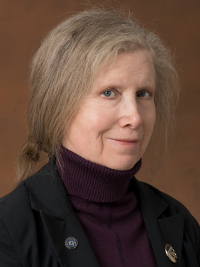 The DPS awards the 2022 Gerard P. Kuiper Prize for outstanding contributions to the field of planetary science to Dr. Bonnie Buratti of NASA’s Jet Propulsion Laboratory at the California Institute of Technology for her distinguished achievements in the understanding of planetary and small body surfaces through photometry, her career-spanning leadership in the planetary science community, and the legacy she has created through mentoring early career scientists. Nearly every planetary mission that has involved photometry over the past several decades has benefitted from Dr. Buratti’s modeling of the scattering of light and analysis of the physical properties of planetary surfaces. In addition, Dr. Buratti has led some of the most important observational campaigns conducted by these missions, such as Cassini. As just one example, Dr. Buratti made the definitive albedo map of Pluto and Charon. Dr. Buratti has served in numerous leadership roles in professional societies, including serving as Chair of DPS and SBAG, and has mentored many students every year. Many of her former students are now active planetary scientists in a wide range of institutions.
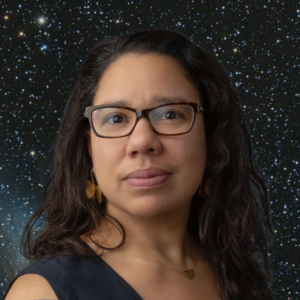 The DPS is pleased to award the Claudia J. Alexander Prize recognizing outstanding contributions by a mid-career scientist to Prof. Martha Scott Gilmore of Wesleyan University for her work on Venus geology and the oldest rock units on Venus located in tessera terrain. Prof. Gilmore has shown that the emissivity of tesserae differ from the presumably basaltic plains in a manner consistent with more iron poor, felsic compositions, which is the strongest evidence to date that these rocks contain evolved magmas formed on a more water-rich planet. She has shown that radar emissivity of tesserae and volcanoes varies regionally across the planet, indicating differences in rock composition and degree of weathering or age. Prof. Gilmore’s work has helped usher in a new decade of exploration of Venus with the selection of two new NASA Venus missions. In addition, Prof. Gilmore has served the community through membership in countless community studies and panels relating to Venus and has mentored nearly two dozen student theses.
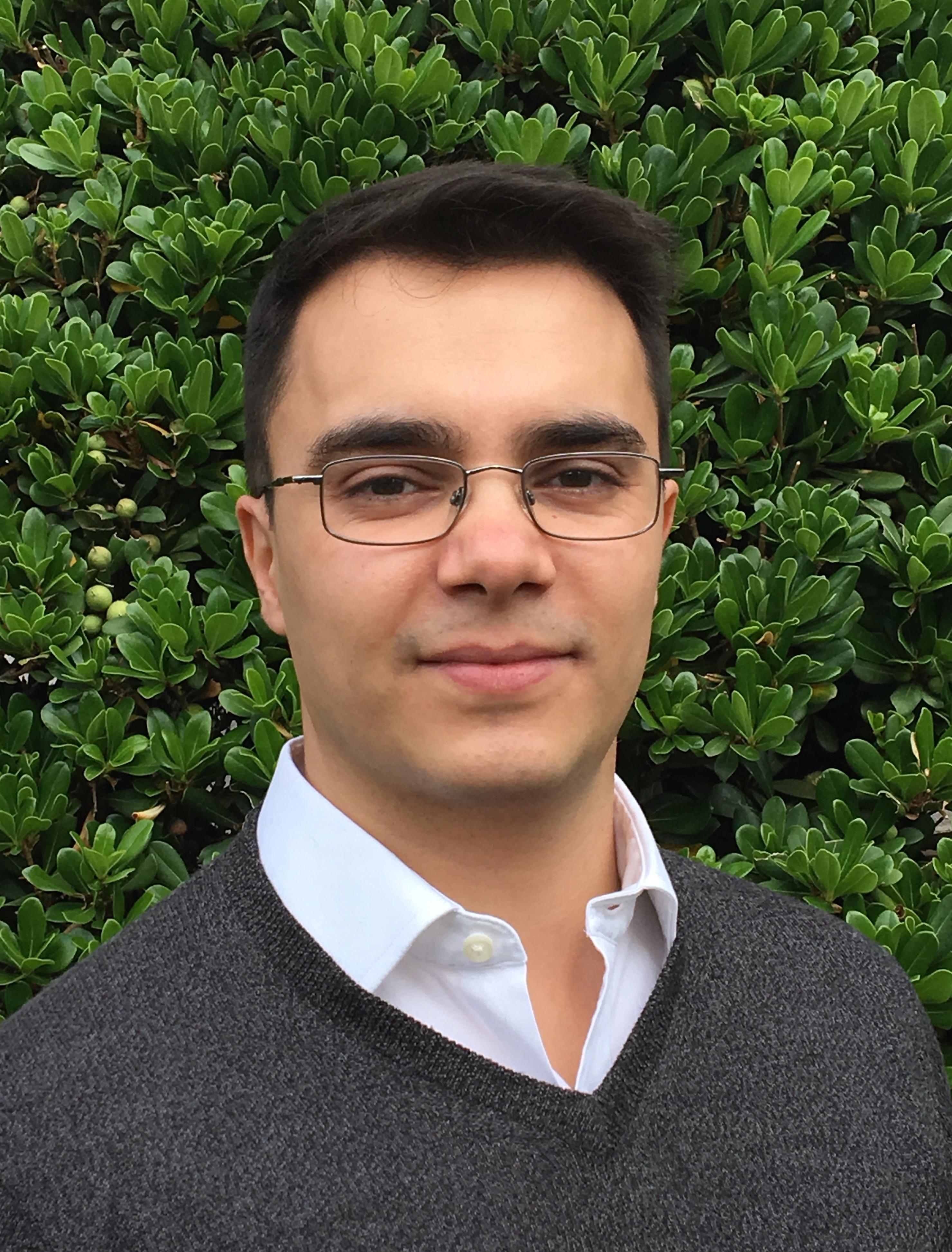 The 2022 Harold C. Urey Prize for outstanding achievement in planetary research by an early career scientist is awarded to Professor Juan Lora of Yale University for his development of a novel global circulation model (GCM) of Titan, which he has used to successfully explain Titan’s precipitation patterns and surface liquid distribution. The model incorporates the effects of atmospheric hazes as well as the impact of Titan’s subsurface hydrology. This model is important for the success of the Dragonfly mission, and Prof. Lora is a valued team member. Prof. Lora has also applied similar techniques to Earth’s hydroclimate in order to understand changes in atmospheric rivers, which are a key component of the water cycle affected by climate change. This combined use of advanced GCMs represents a novel and compelling way of helping to protect our home planet. Prof. Lora is additionally noted for his mentorship of students and early career scientists.
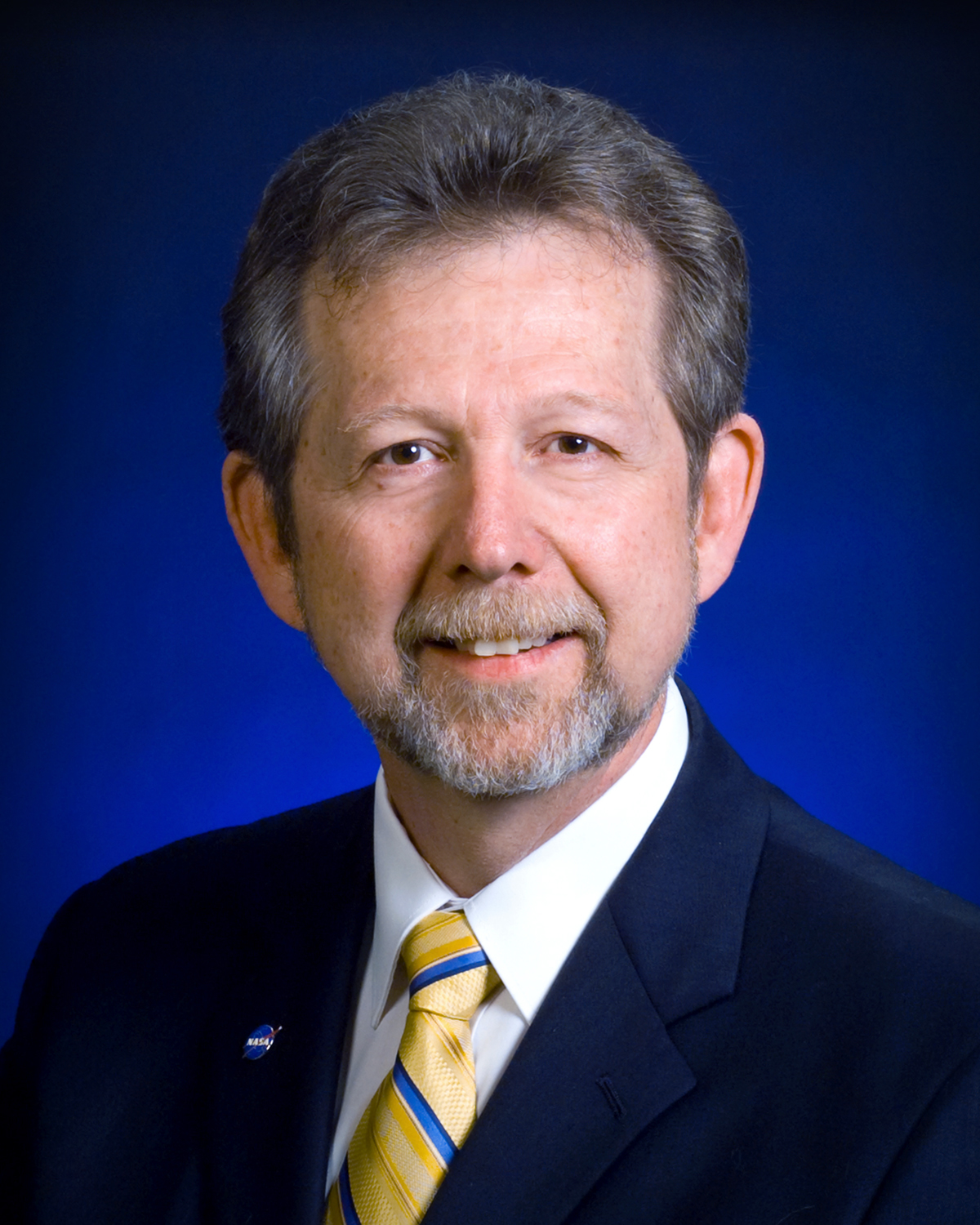 The 2022 Harold Masursky Award for meritorious service to planetary science goes to Dr. Jim Green for his twelve years of service as head of NASA’s Planetary Science Division and four years as NASA Chief Scientist. He oversaw the Planetary Science Division through a period of great expansion, and the implementation of numerous ground-breaking planetary science missions and research. He has made a great effort to expand NASA’s international partnerships, promoting the spirit of scientific collaboration and cooperation across boundaries, and he has helped foster the careers of many early career scientists.
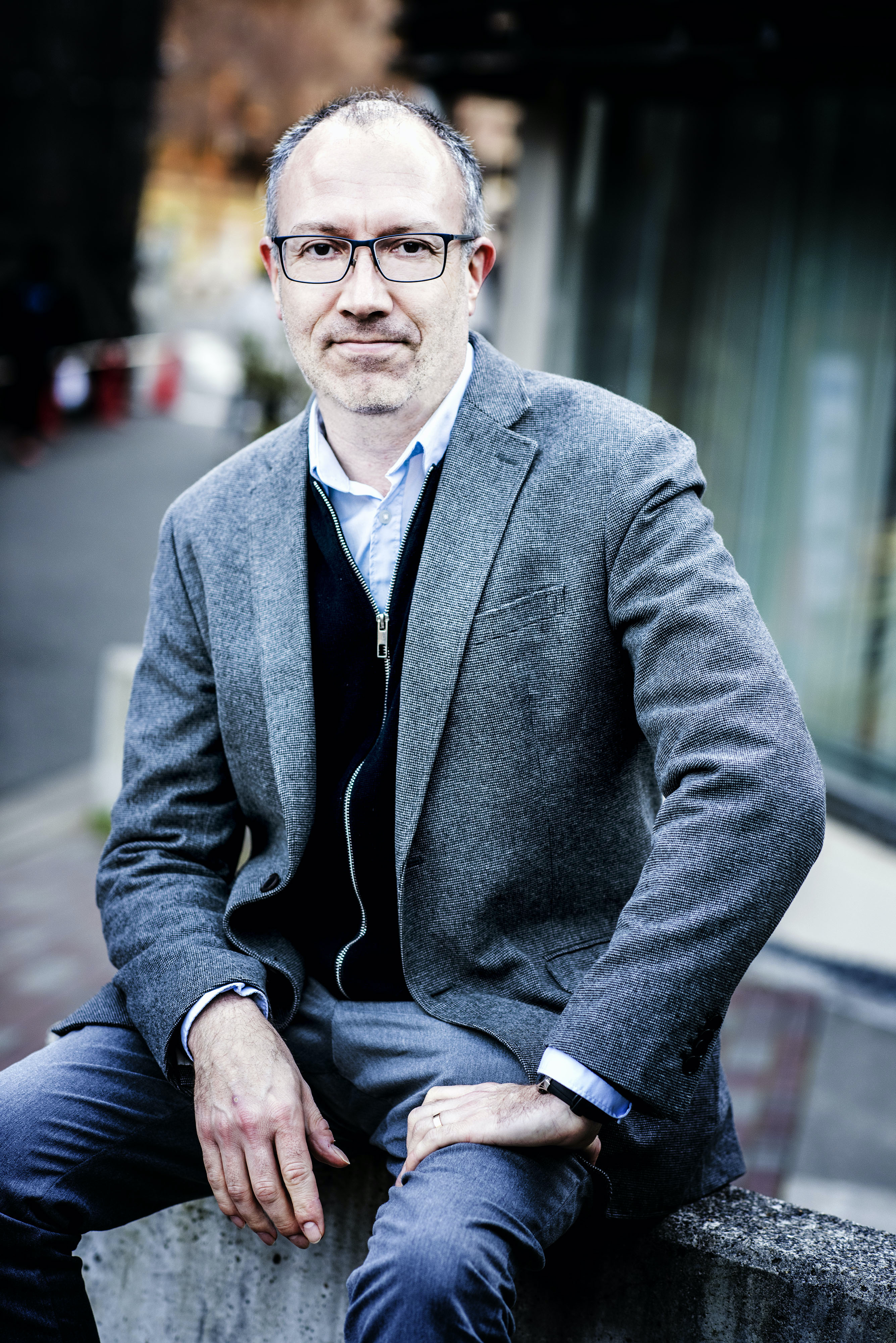 The 2022 Sagan Medal for excellence in public communication goes to Dr. Caleb Scharf of Columbia University for broadening public awareness of fields from astrophysics and planetary science to astrobiology, and for stimulating insightful and balanced public conversation on the implications of contemporary research. Dr. Scharf is a prolific writer, having written articles in Scientific American that reach a large number of people. He has also written a widely-used textbook on extrasolar planets and is a highly regarded author of popular science books on astrobiology, astronomy, and technology. He served on the editorial board of Nautilus science magazine and has contributed to a number of movies, documentaries, and popular television shows on science, inspiring many people.
 The Jonathan Eberhart Planetary Science Journalism Award for distinguished popular writing goes to Michael Greshko of National Geographic for his article “Small Wonders,” published in National Geographic magazine on August 24, 2021. This elegantly written article takes the reader on a journey through the history of small body science, covering objects from NEOs to TNOs. It deals with wide-ranging topics such as discovery and impact monitoring efforts, spacecraft exploration, as well as Solar System formation models. It describes how small bodies could be responsible for life on Earth, but also have the potential to destroy it. In the end, the article evokes a sense of belonging and being intimately part of the Solar System.