
The Division for Planetary Sciences (DPS) of the American Astronomical Society has named its prize winners for 2026.
Prof. Mark Marley of the University of Arizona is the recipient of the 2026 Gerard P. Kuiper Prize honoring outstanding contributions to the field of planetary science. Dr. Marley is a highly influential and groundbreaking pioneer of exoplanet/brown dwarf atmosphere characterization. His work forms the backbone of multiple subfields, including substellar atmospheres, cloud microphysics, radiative transfer, and the interpretation of brown dwarf and exoplanet spectra. As a pioneering figure who bridged solar system planetary science with the emerging field of exoplanet atmospheres, he helped establish the theoretical and modeling frameworks that underpin today’s exoplanet characterization efforts. His service to and leadership of the community has been extraordinary, including working as the Director of the University of Arizona Lunar and Planetary Laboratory, service on the Astro2020 and Planetary Science Decadal surveys, heavy involvement in pre-mission studies for the Large Ultraviolet Optical Infrared Surveyor (LUVOIR) and the Nancy Grace Roman Space Telescope, and mentoring a plethora of students and early career scientists.
Dr. Catherine Neish of the University of Western Ontario and the Planetary Science Institute is awarded the 2026 Alexander Prize in recognition of her scientific, leadership, and collaborative contributions to planetary science. Dr. Neish’s research spans Earth, the Moon, Mars, and the icy satellites of the giant planets. She is a leading international expert on impact cratering on Saturn’s moon Titan, lunar impact melts, astrobiology, and radar studies of numerous planetary bodies. Dr. Neish’s past leadership of the Division for Planetary Sciences, most notably leading the organization through the challenges of the COVID-19 pandemic, and involvement on several NASA missions including Cassini, Dragonfly, and the Lunar Reconnaissance Orbiter as a member of the Miniature Radio-Frequency instrument team, illustrates the breadth and depth of her international collaborations. As associate director of the University of Western Ontario’s Institute for Earth and Space Exploration, she has overseen training for all students in the graduate collaborative specialization in planetary science. She continues to positively shape the careers of young scientists as the Graduate Chair of the University’s Department of Earth Sciences. Dr. Neish has advised many students both at her home institution and at institutions in the US, all of which is a testament to her acumen as a mentor and her contributions to the future of our field.
Dr. Tad Komacek of Oxford University is awarded one of two 2026 Harold C. Urey prizes in recognition of his pioneering research in planetary science, which has fundamentally advanced our understanding of planetary atmospheres within the solar system and beyond. Renowned for his depth, breadth, and originality, Dr. Komacek has produced landmark studies on the atmospheric dynamics of hot Jupiters and other extrasolar worlds, establishing definitive theoretical frameworks and scaling laws that now serve as cornerstones of the field. His innovative research encompasses both giant and terrestrial exoplanets, seamlessly integrating astrophysics, planetary science, and geophysics. Dr. Komacek was the first to uncover and quantitatively elucidate key processes, including hydrogen dissociation and recombination, that drive energy transport in exoplanet atmospheres. He has played leading roles in designing and interpreting transformative JWST observation campaigns, directly shaping the future of planetary and exoplanetary science. As a collaborative leader with exceptional technical expertise, Dr. Komacek’s vision and contributions have not only strengthened the scientific community, but also profoundly accelerated progress in planetary sciences and the exploration of worlds beyond our own.
Dr. Ali Bramson of Purdue University is awarded one of two 2026 Harold C. Urey prizes in recognition of her groundbreaking contributions to planetary science. Dr. Bramson’s research has fundamentally redefined our understanding of subsurface ice on Mars, leading to the discovery of massive, widespread buried ices at mid-latitudes. Her innovative integration of radar, geomorphology, and modeling has not only revealed new paradigms of Martian climate history, but directly shaped exploration strategies and priorities for future Mars missions. Dr. Bramson’s intellectual leadership extends to polar ice evolution on Mars, where she has pioneered studies of sublimation-driven layer formation and trough development. Her expertise and creativity in radar science, spanning analyses from Mars and lunar cryptomare deposits to hardware development for future missions, are driving the field forward with new technology and approaches. Dr. Bramson is now guiding mission teams and shaping international efforts exploring the sub-surface of objects across the solar system. Her breadth across planetary bodies and dedication to scientific advancement distinguish her as a visionary researcher.
Mr. Casey Dreier and Mr. Jack Kiraly of The Planetary Society are winners of the 2026 Harold Masursky Award for their exceptional service to planetary science and space exploration. Mr. Dreier is a leading expert on NASA’s budget, space policy, and the political economy of space exploration, known for delivering independent, data-driven analysis. As Director of Government Relations, Mr. Kiraly leads the organization’s advocacy efforts, builds relationships with policymakers, organizes public engagement events, and represents The Planetary Society in Washington. He aims to involve both the scientific community and the broader public in supporting space science and exploration. Together, they have been tireless, vocal advocates for NASA’s planetary science programs. Acting in response to proposed dramatic cuts to NASA’s science budget, they educated the community and general public on the budget situation and consequences for NASA’s leadership in solar system exploration. “Days of Action” provide a very practical way for concerned parties to contact their representatives with high impact. The Planetary Society worked with more than 20 partner organizations in the “Save NASA Science” coalition. They both have had a profoundly positive impact on planetary science.
Dr. James O’Donoghue of the University of Reading is awarded the 2026 Carl Sagan medal, which recognizes and honors outstanding communication by an active planetary scientist to the general public. Dr. O’Donoghue is an extraordinarily creative and effective communicator of topics in planetary science, while also being a recognized leader in observations of the upper atmospheres of the giant planets and an engaged member of the planetary science community. In parallel with maintaining a cutting-edge research program, he has produced nearly 100 educational animations focused on themes of space and planetary science, which have been collectively viewed over 400 million times across platforms. His imaginative animations convey intuition about complex scientific concepts in a clear and engaging way without losing scientific rigor. The reach of these materials has been further expanded through being incorporated into educational resources from the elementary school through university level and featured in museum and planetarium exhibits. Even beyond this, James has engaged extensively with in-person outreach at a variety of settings and has been featured in TV and radio interviews, such as the BBC and PBS Nova. He truly exemplifies the spirit of the Sagan Prize through the combination of his unique and impactful communication work with his scientific leadership.
Dr. Robin George Andrews is awarded the 2026 Jonathan Eberhart Planetary Sciences Journalism award, which recognizes distinguished popular writing in planetary science, for his piece entitled “A Planet Revealed,” published in September 2025 in Scientific American. The article provides a comprehensive exploration of NASA’s Juno mission and its revolutionary discoveries about Jupiter, chronicling how Juno has survived in Jupiter’s lethal radiation environment and fundamentally rewritten our understanding of the solar system’s largest planet. Dr. Andrews masterfully weaves the mission’s history with its scientific discoveries, drawing on interviews from a wide range of experts, including principal investigator Scott Bolton and project scientist Steve Levin. Complex concepts like metallic hydrogen, gravitational mapping, and tidal heating are made accessible to general readers, while stunning Juno imagery and detailed infographics bring Jupiter’s mysteries to life. The narrative is anchored by the mission’s namesake: Juno, Jupiter’s mythological wife who could see through clouds — a fitting metaphor for a spacecraft that has finally revealed what lies beneath.
The 2026 DPS prizes will be presented at the 58th Annual Division for Planetary Sciences Meeting, to be held 25 – 30 October 2026 in Spokane, WA.
Contacts:
Dr. Nathan Roth
DPS Press Officer
[email protected]
Dr. Scott Murchie
DPS Chair
[email protected]
More information about DPS prizes:
https://dps.aas.org/prizes
DPS 58th Annual Meeting, Spokane, WA, 25 – 30 October 2026:
https://aas.org/meetings/dps58


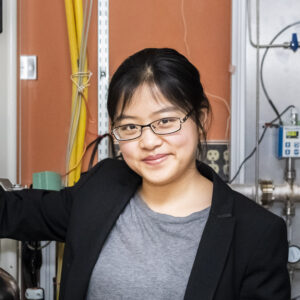
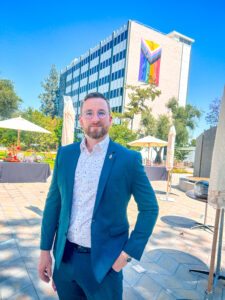

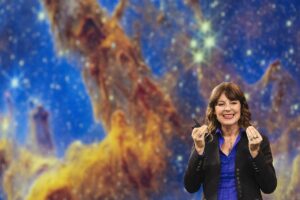




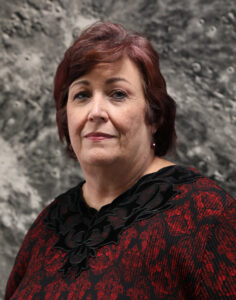

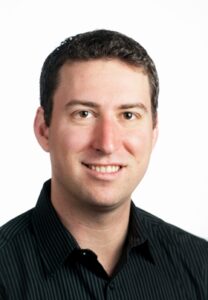

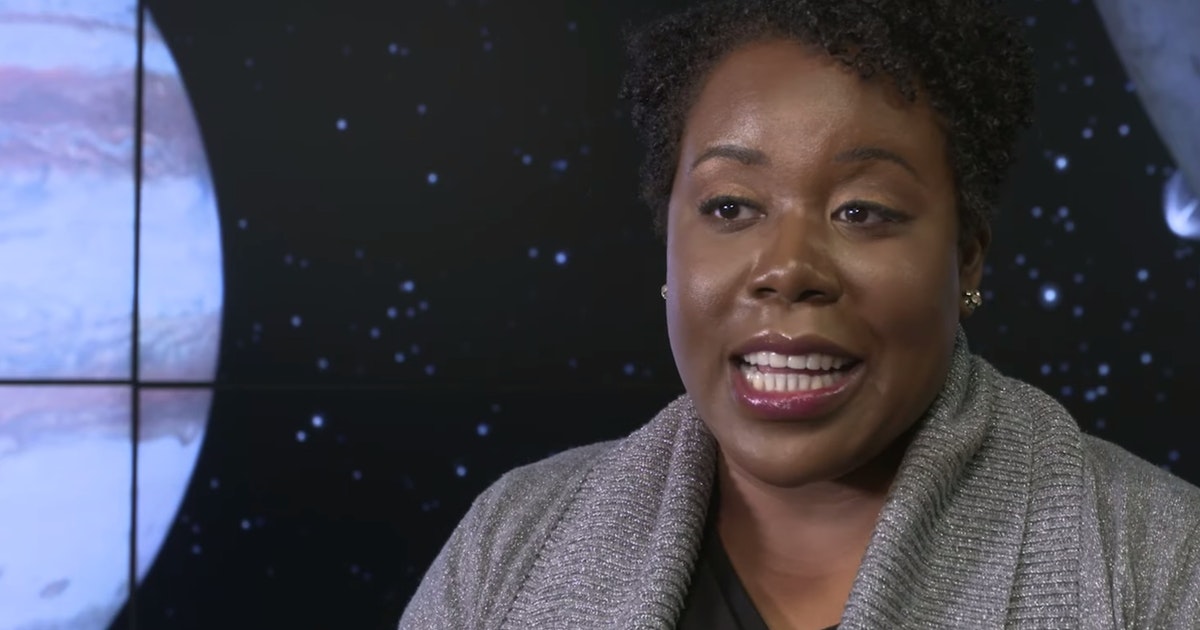 The 2021 Harold C. Urey Prize for outstanding achievement in planetary research by an early career scientist is awarded to Dr. Lynnae C. Quick (NASA Goddard Space Flight Center). Dr. Quick’s innovative scientific work focuses on geophysical processes writ large, reaching from the inner solar system, through the asteroid belt, to ocean worlds, and into the exoplanetary realm. She has revisited modeling of (cryo)lava domes on Venus and Europa, was the first to model the formation of Ceres’ “bright spots” via the transport of material from a deep brine reservoir to the surface, has repeatedly provided new insights into plumes on Jupiter’s moon Europa, and shed light on the abundance of extrasolar ocean worlds. In addition to her scientific pursuits, Dr. Quick is exceptionally engaged in the broader research community through her proactive leadership as a co-investigator on several space missions, as a member of the Outer Planets Assessment Group steering committee, the Planetary Science Decadal Survey 2023-2032 panel on ocean worlds and dwarf planets, and the National Society of Black Physicists. Dr. Quick’s advocacy work to diversify the field is particularly notable. She has mentored many early career planetary scientists and is leading the Dragonfly Student and Early Career Investigator Program. Every aspect of Dr. Quick’s career represents a positive outlook for the future of our community.
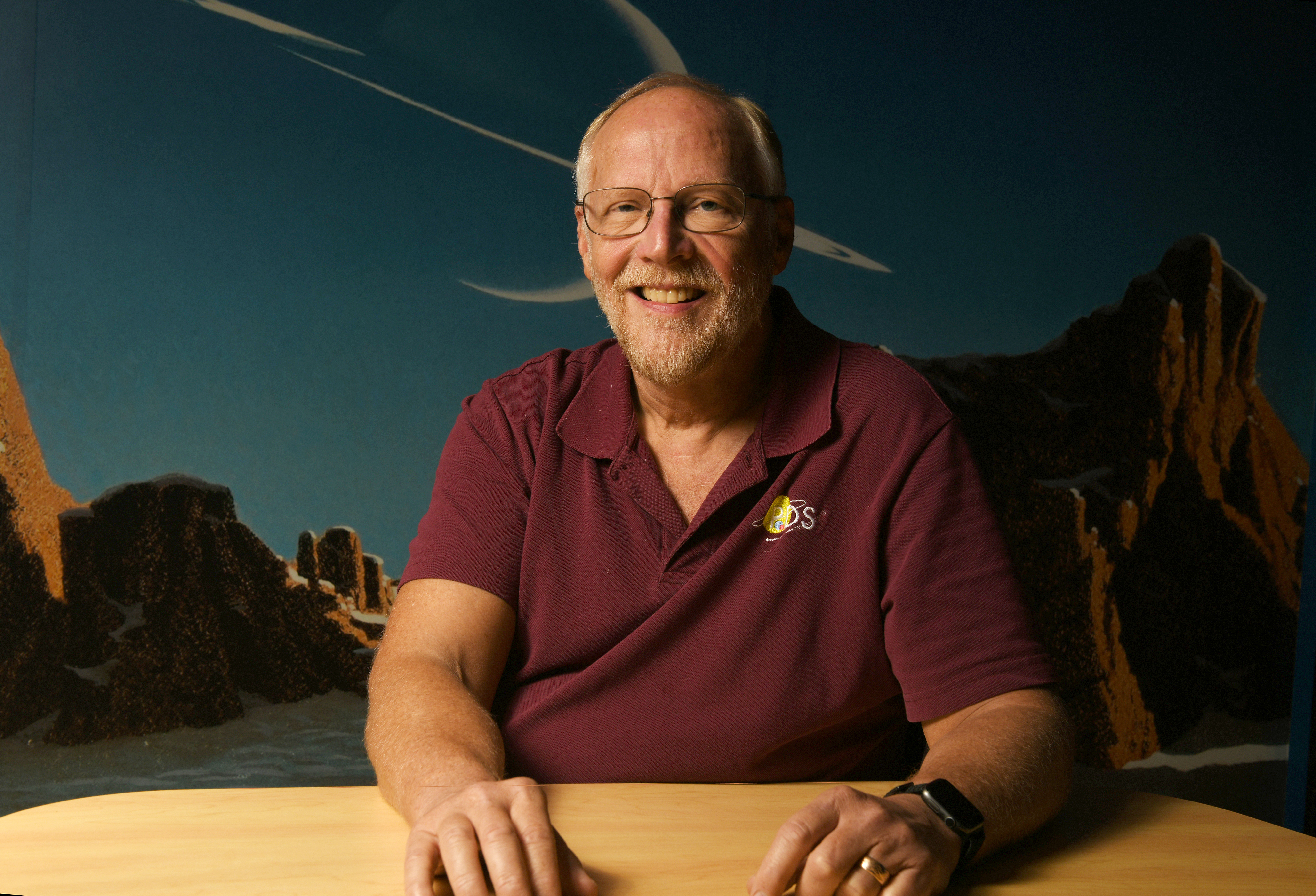 The 2021 Harold Masursky Award for meritorious service to planetary science goes to Dr. Mark Showalter (SETI Institute). Dr. Showalter’s service to the community has centered around his 30 years as Principal Investigator of the Planetary Data System Ring-Moon Systems Node. In this role, Dr. Showalter has gone above and beyond simply archiving ring data to providing invaluable search and ephemeris tools that assist the planetary science community as a whole. He has set up graphical tools for observation and proposal planning, and produced the original design and much of the initial implementation of the Outer Planets Unified Search tool, which supports more than 1.5 million outer planet system observations.
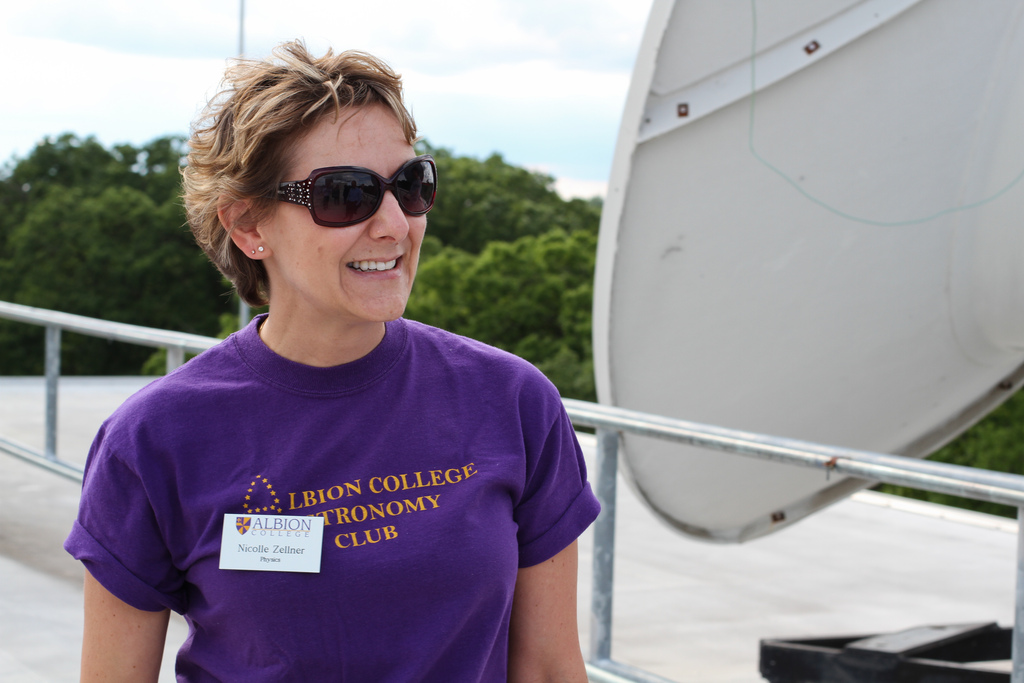 This year the DPS is awarding two Carl Sagan Medals for excellence in public communication. One goes to Dr. Nicolle Zellner (Albion College) for her effective and wide-ranging outreach activities, reaching diverse audiences and spanning more than 20 years. Dr. Zellner has spoken to thousands of people around the country and has reached millions more through her written articles, television appearances, radio interviews, and more. She uses every opportunity to convey her passion and enthusiasm for space science to audiences of all ages, often bringing these topics to audiences who might otherwise not seek them out. She regularly offers public observing nights at Albion College and encourages college and community members to look up, especially during worldwide events, such as the annual International Observe the Moon Night, the 2012 Venus transit, and the 2017 Great American Solar Eclipse. Dr. Zellner co-founded the public observing program at Rensselaer Polytechnic Institute, is a member of one of the first classes of NASA’s Solar System Ambassadors, and is also a member of the Astronomy in Chile Educator Ambassadors Program.
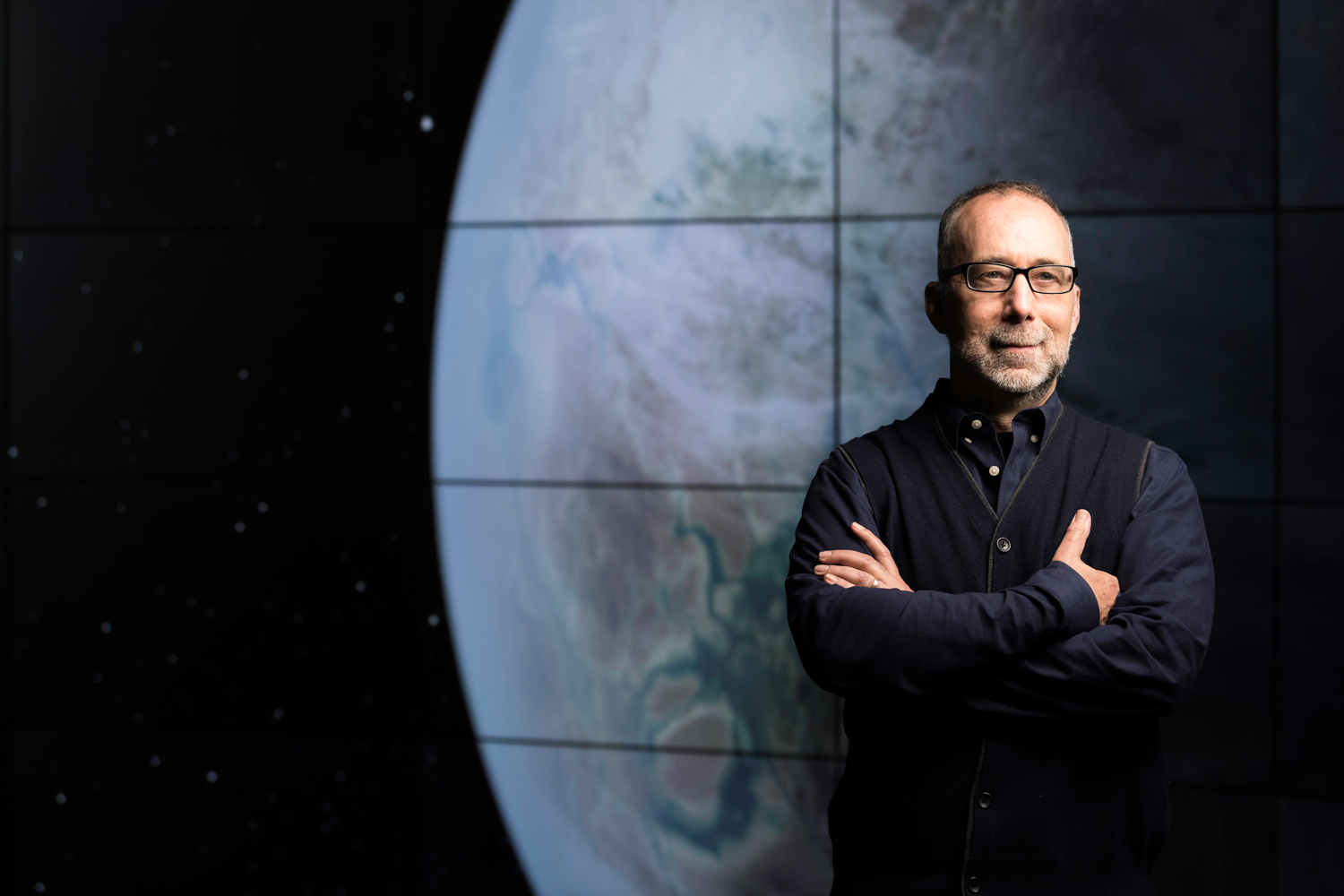 Also receiving the Carl Sagan Medal is Dr. Adam Frank (University of Rochester), for founding continuously sustained efforts and solid platforms from which science can be distributed to the public in an accessible form. He was the co-founder of the National Public Radio 13.7 blog, a frequent contributor to the New York Times, and the creator of the Coursera course “Confronting the Big Questions: Highlights of Modern Astronomy.” The 13.7 Cosmos and Culture blog was a highly trafficked science blog with yearly visits exceeding 13 million. Frank has also been a regular on-air commentator for NPR’s news show “All Things Considered.” Dr. Frank contributes to other publications like The Washington Post, The Atlantic and Scientific American and has authored four popular books arguing for the beauty of science and against science denial. He was also science advisor for Marvel’s “Doctor Strange” and has appeared on numerous science documentaries such as Netflix’s “Alien Worlds”.
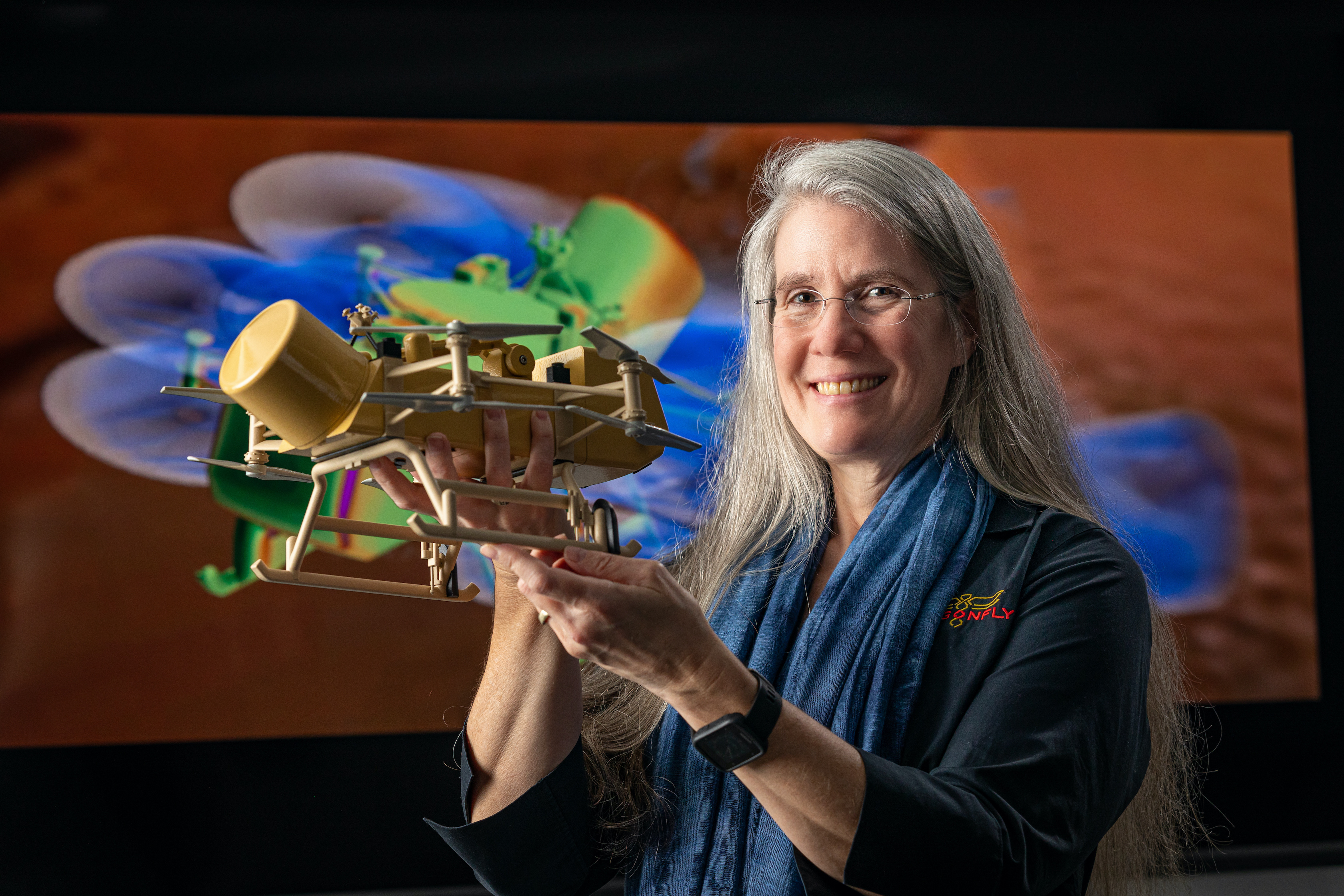 The DPS is pleased to award the inaugural Claudia J. Alexander Prize recognizing outstanding contributions by a mid-career scientist to Dr. Elizabeth Turtle (Johns Hopkins University Applied Physics Laboratory). Dr. Turtle’s research contributions to understanding geophysical features on planetary surfaces, and the processes that drive them, span the solar system. She played an integral role in the analysis and interpretation of countless images from the Galileo and Cassini missions, building an intimate understanding of the mechanisms that shape the surfaces of satellites such as Io, Europa, and Titan. One of her most heavily cited papers, “Rapid and Extensive Surface Changes Near Titan’s Equator: Evidence of April Showers” (Science, 2011), demonstrates her creative approach of synthesizing data from three instruments on Cassini to tell a captivating story about an infrequent rain shower in Titan’s equatorial region. It is also clear that Dr. Turtle’s impact on planetary science will only grow. She currently leads two major projects slated to broaden humanity’s understanding of the habitability and potential for life on two of the most enchanting ocean worlds in our solar system: the Europa Imaging System (EIS) on Europa Clipper and the New Frontiers Dragonfly mission to Titan. Dr. Turtle exemplifies leadership in the field by any metric and is extremely dedicated to public outreach and engagement well beyond the scientific community.
 The Jonathan Eberhart Planetary Science Journalism Award for distinguished popular writing goes to Camille Carlisle for her article “Rugged Worlds” in the May 2020 issue of Sky & Telescope. In this thoroughly researched article, Carlisle provides a riveting account of the surprising discoveries and challenges encountered by the OSIRIS-REx and Hayabusa2 spacecraft during their visits to asteroids Bennu and Ryugu, respectively. She compares and contrasts the two missions, provides an overview of their contributions to asteroid science, and addresses the new questions raised by the findings. Her writing brings the excitement of planetary science to the general public. The article is a wonderful contribution to the field and will no doubt increase public interest in not only the two space missions but also more widely in solar system exploration.

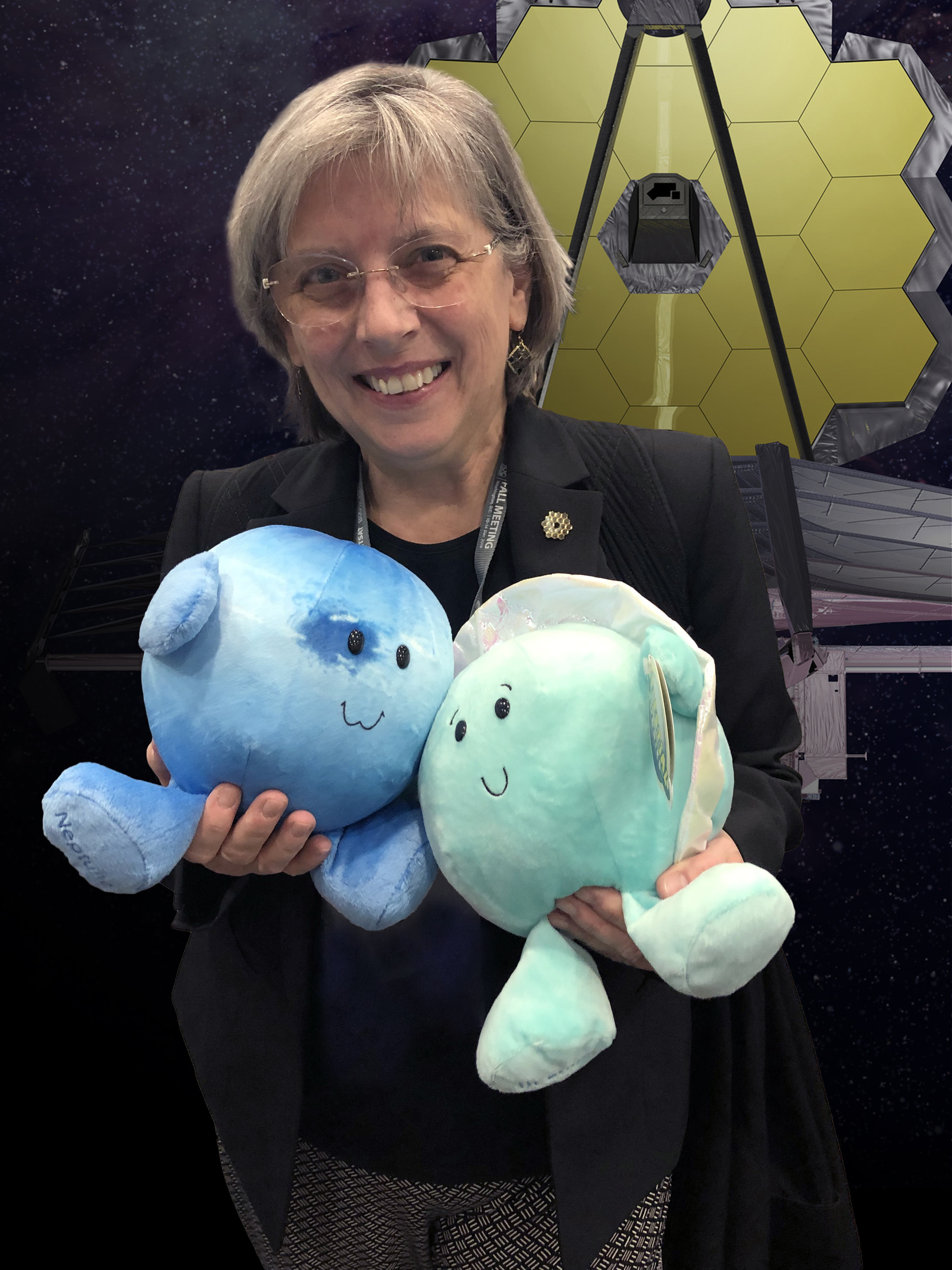

 DPS awards the 2019 Gerard P. Kuiper Prize for outstanding contributions to the field of planetary science to Maria Zuber (MIT) for her contributions to advancements in geophysics, planetary gravity mapping, and laser altimetry. One example of her seminal contributions includes her paper in Science in 2000 combining Mars Global Surveyor laser altimetry data and gravity data to determine the crustal and upper mantle structure of Mars. Another example is her leadership as principal investigator of the GRAIL mission to construct a model of the Moon’s gravitational field to spherical harmonic degree 1,800, which exceeds the baseline requirement of the mission by an order of magnitude. Dr. Zuber has turned her attention to many different solid bodies in the solar system including Mercury, Venus, Eros, Vesta, and Ceres. Over the years she has advised a number of students and postdocs, and one reports that she strikes the perfect balance of being demanding, supportive, encouraging, and open minded.
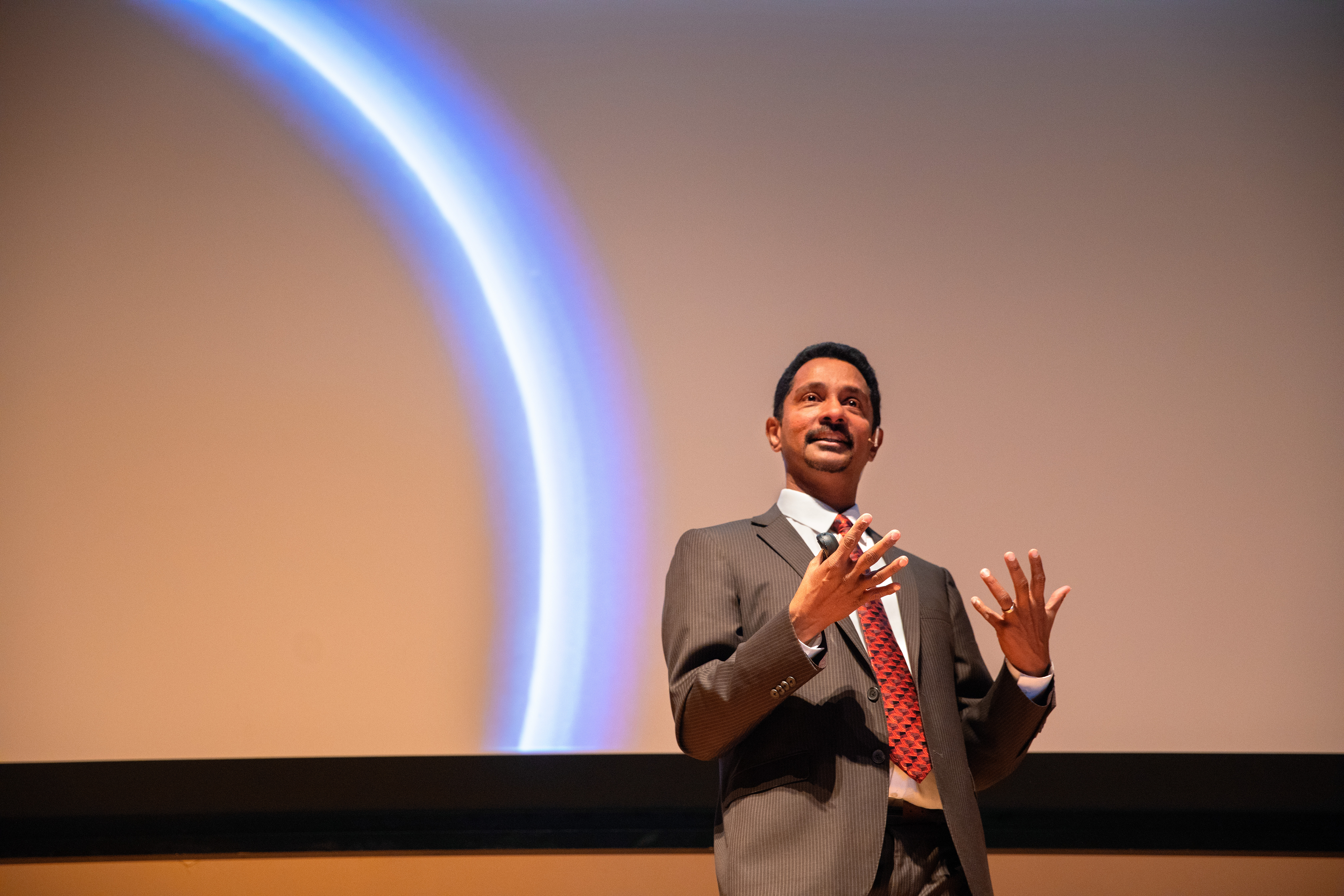
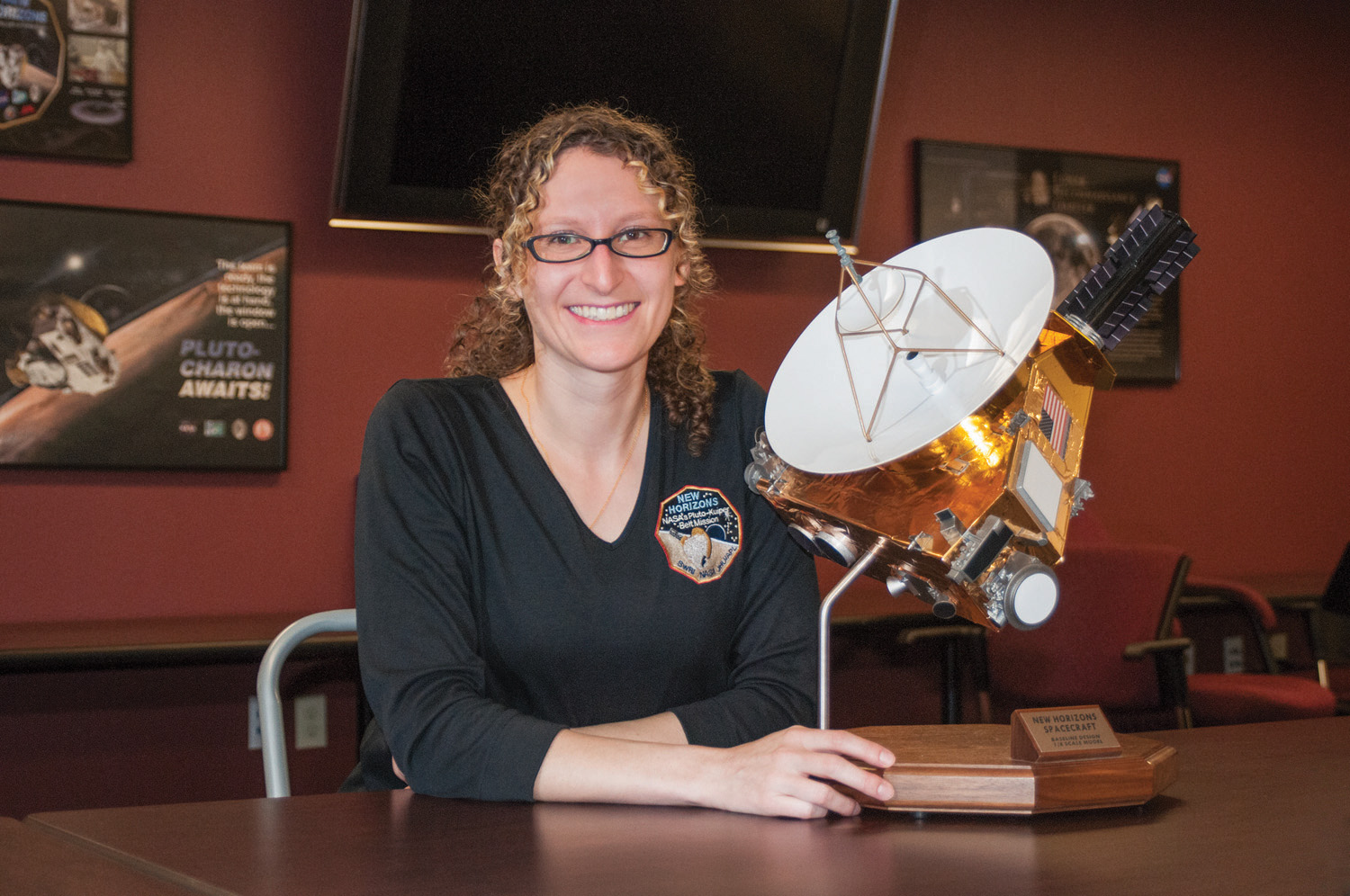 DPS awards the 2019 Harold C. Urey Prize for outstanding achievement in planetary research by a young scientist to Kelsi Singer (SwRI). We award this prize in recognition of Dr. Singer’s work in impact cratering and in the geology and geophysics of icy worlds. In one paper, she used Cassini observations of Iapetus to create a catalog of landslide data and tested theories of long-runout landslides. Dr. Singer also used secondary craters on Europa and Ganymede to produce size-frequency and size-velocity distributions for icy blocks that revealed fundamental scaling relationships. In recent work, she used the cratering record on Pluto and Charon to determine that there is a deficit of small objects in the Kuiper Belt, with implications for the collisional history of the Kuiper belt and planetesimal formation. Dr Singer’s work is meticulous, rigorous, and insightful. In the best tradition of scientific brilliance, she examines data with an open mind, considers multiple theories, follows those theories to their logical conclusions, quantifies her uncertainties, and applies healthy skepticism toward her results. Photo credit: Rayna Tedford
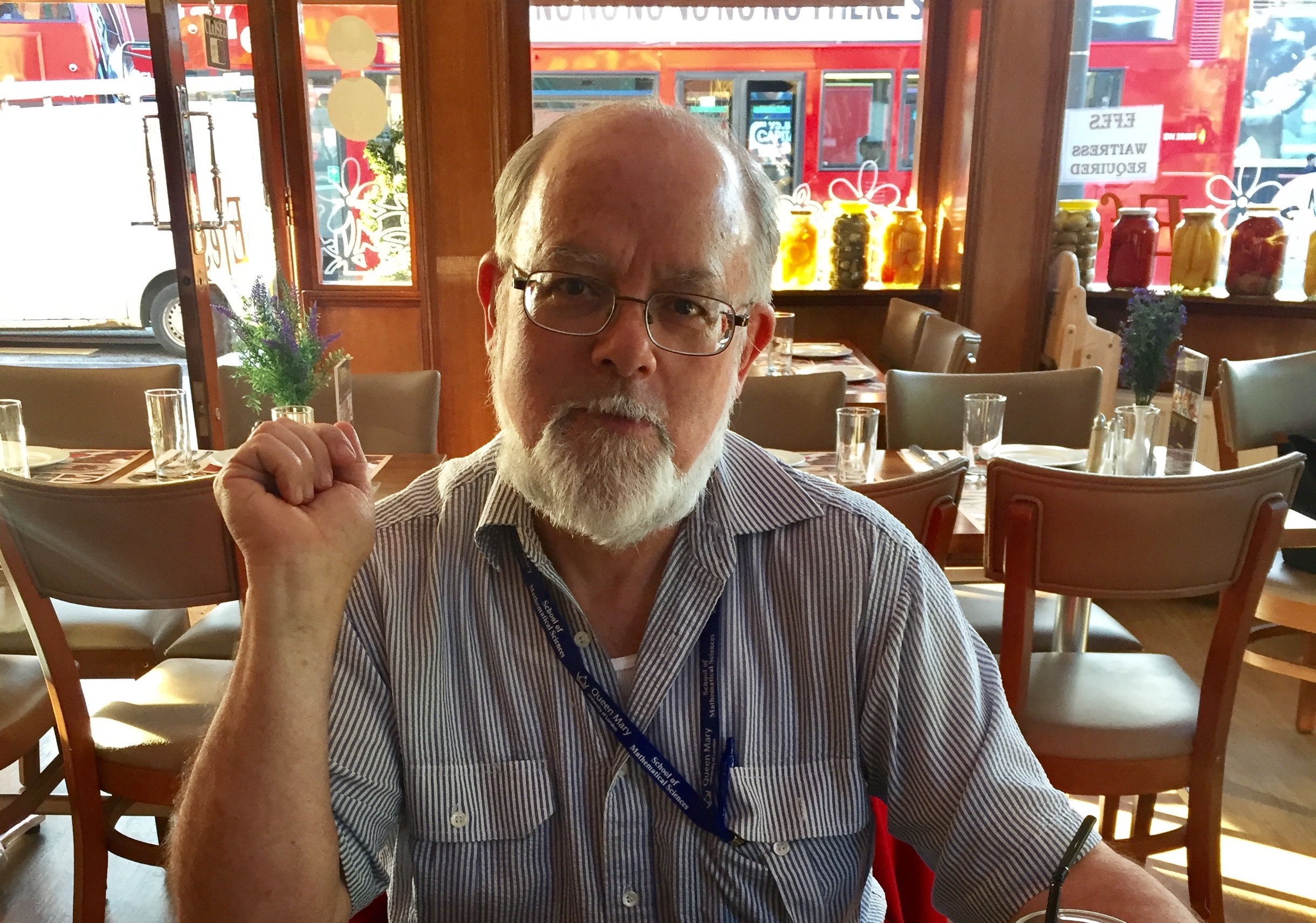 DPS awards the 2019 Harold Masursky Award for meritorious service to planetary science to Phil Nicholson (Cornell University). A highlight of his service to the community has been his role as Editor in Chief of Icarus for 20 years. During his tenure he improved the experience for authors, reduced time to publication, and increased access. Dr. Nicholson was dedicated to the integrity of the peer review process; he gave everyone the chance to have their voice heard. His work as Editor in Chief, in addition to his full load of teaching and research duties — as well as his volunteer efforts on numerous committees and review panels — makes him an icon of service to the planetary science community.
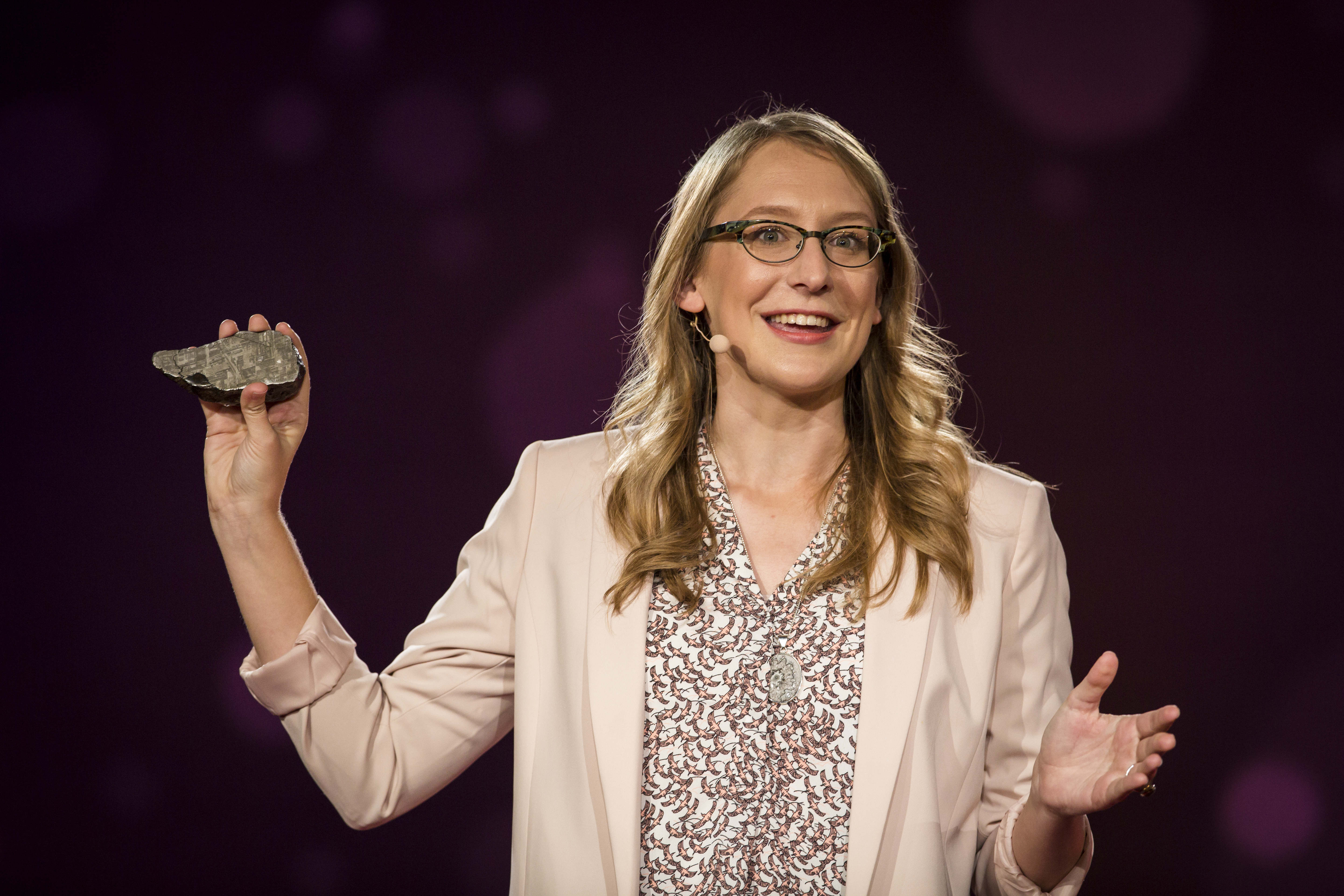 DPS awards the 2019 Carl Sagan Medal for excellence in public communication to Carrie Nugent (Olin College) for her compelling and effective outreach to a worldwide audience. In her highly rated Spacepod podcast, Dr. Nugent interviews other scientists about their work, providing the public with a wide and deep view of planetary science research. Through Spacepod, she has enabled hundreds of members of our community to share their science with the public. Dr. Nugent is an engaging speaker with more than 1.3 million views of her TED talk on asteroid hunting. She uses clear, evocative language to make solar system discoveries accessible to people of all ages and backgrounds.
 The Jonathan Eberhart Planetary Science Journalism Award for distinguished popular writing goes to Rebecca Boyle for her article “Pictures of Worlds to Come” in the December 6, 2018, issue of Nature. In this eloquently written feature, Rebecca explores the rapidly evolving field of planet formation, which lies at the intersection of planetary science and other branches of astronomy. She brings to light the giant strides being made in imaging protoplanetary disks by vividly describing the extremely detailed images taken by the Atacama Large Millimeter/submillimeter Array and other facilities. She addresses the challenges presented by such observations to theories about planet formation and how researchers are working on reconciling those. Rebecca beautifully wraps together historical insights, the latest science, and potential paths forward to paint a vibrant picture of this exciting field.