DPS Seeking Press Officer and Webmaster

The Press Officer will serve a three-year term starting at the DPS meeting in October 2022 but will start shadowing the current Press Officer at the upcoming meeting in October 2021. The Press Officer will coordinate the DPS press conferences at the annual meetings as well as prize press releases. Candidates should be a full DPS member as of October 2021.

Likewise, the Webmaster will serve a three-year term starting at the DPS meeting in October 2022. The new Webmaster will start shadowing the current Webmaster in a flexible time frame starting at earliest at the DPS meeting in October 2021 and at latest in May 2022. Candidates for Webmaster may be at any level of DPS membership, and the term is generally three years. Any questions about the position can be sent to [email protected].

Officer responsibilities are listed here: [email protected].


23 Aug 2021

Carolyn Shoemaker (1929-2021)

American astronomer and co-discoverer of Comet Shoemaker-Levy 9, Carolyn Shoemaker, passed away on August 13, 2021, at the age of 92.

‘Carolyn was quite extraordinary,’ noted Lisa Gaddis, Director of the Lunar and Planetary Institute. ‘Although her scientific career began after she and her husband Gene raised their family, she became one of the world’s foremost discoverers of comets and asteroids. She was smart, witty, and just so practical; she was an example to younger women and budding scientists everywhere as someone who made a difference in her own way.’

She discovered 32 comets and more than 500 asteroids. She was a research professor at Northern Arizona University, and the recipient of the NASA Exceptional Scientific Achievement Medal, the National Academies of Science Watson Medal, and the Rittenhouse Medal. Minor Planet 4445 Carolyn is named in her honor.

From: Mary Chapman and Lisa Gaddis via usdaynews.com and Mark Sykes via Planetary Exploration Newsletter.

https://www.lpi.usra.edu/planetary_news/2021/08/17/in-memoriam-carolyn-shoemaker-1929-2021/

https://astrogeology.usgs.gov/people/carolyn-shoemaker

https://bit.ly/azdailysun_carolyn_shoemaker

23 Aug 2021

Newsletter 21-21

Issue 21-21, Aug 22, 2021


+————————————CONTENTS—————————————-+

  1. CLARIFICATION: NEW PRESS OFFICER AND NEW WEBMASTER
  2. IN MEMORIAM: CAROLYN SHOEMAKER (1929-2021)
  3. DPS MEETING REGISTRATION REMINDER – SEP 9
  4. JOBS, POSITIONS, AND OPPORTUNITIES

+——————————————————————————————–+


1———1———1———1———1———1———1———1———1———1


CLARIFICATION:: NEW PRESS OFFICER AND WEBMASTER


The Press Officer will serve a three-year term starting at the DPS meeting in October 2022 but will start shadowing the current Press Officer at the upcoming meeting in October 2021. The Press Officer will coordinate the DPS press conferences at the annual meetings as well as prize press releases. Candidates should be a full DPS member as of October 2021.


Likewise, the Webmaster will serve a three-year term starting at the DPS meeting in October 2022. The new Webmaster will start shadowing the current Webmaster in a flexible time frame starting at earliest at the DPS meeting in October 2021 and at latest in May 2022. Candidates for Webmaster may be at any level of DPS membership, and the term is generally three years. Any questions about the position can be sent to [email protected].


Officer responsibilities are listed here: [email protected].


2———2———2———2———2———2———2———2———2———2


IN MEMORIAM: CAROLYN SHOEMAKER (1929-2021)


From: Mary Chapman and Lisa Gaddis via usdaynews.com and Mark Sykes via Planetary Exploration Newsletter.


American astronomer and co-discoverer of Comet Shoemaker-Levy 9, Carolyn Shoemaker, passed away on August 13, 2021, at the age of 92.


‘Carolyn was quite extraordinary,’ noted Lisa Gaddis, Director of the Lunar and Planetary Institute. ‘Although her scientific career began after she and her husband Gene raised their family, she became one of the world’s foremost discoverers of comets and asteroids. She was smart, witty, and just so practical; she was an example to younger women and budding scientists everywhere as someone who made a difference in her own way.’


She discovered 32 comets and more than 500 asteroids. She was a research professor at Northern Arizona University, and the recipient of the NASA Exceptional Scientific Achievement Medal, the National Academies of Science Watson Medal, and the Rittenhouse Medal. Minor Planet 4445 Carolyn is named in her honor.


https://www.lpi.usra.edu/planetary_news/2021/08/17/in-memoriam-carolyn-shoemaker-1929-2021/


https://astrogeology.usgs.gov/people/carolyn-shoemaker


https://bit.ly/azdailysun_carolyn_shoemaker


3———3———3———3———3———3———3———3———3———3


DPS MEETING REGISTRATION REMINDER – SEP 9


The presenter deadline to register for the DPS meeting is Thur Sep 9 – a little over two weeks away! Full member registration fee is $270; all students are $75; other rates at the link below.


https://aas.org/meetings/dps53/registration


4———4———4———4———4———4———4———4———4———4


JOBS, POSITIONS, AND OPPORTUNITIES


A. Postdoc for IDEA Fellows program at Stony Brook Geosciences (converts to tenure track)

Stony Brook University Department of Geosciences will soon be taking applications as part of the College of Arts and Sciences IDEA Fellows program. The selected IDEA Fellow will be a postdoctoral researcher committed to inclusion, diversity, equity, and accessibility. The Fellow will have full access to the world-class research labs in our department and will be expected to develop research collaborations with our faculty. We have active research groups in planetary science, mineral physics, geochemistry/ geochronology, and seismology/geophysics. Opportunities also exist to collaborate with staff at the National Synchrotron Light Source II at Brookhaven National Laboratory, 30 minutes from Stony Brook.

After two years, the IDEA Fellow position will convert to a tenure track position, including a startup package. You can learn more about the IDEA Fellows program, including application instructions here: https://www.stonybrook.edu/commcms/cas/about/idea_fellows/. Please contact Tim Glotch at [email protected] with any questions.


B. Tenure-track faculty position in Planetary Science at Brown University


content/tenure-track-faculty-position-planetary-science-brown-university


C. HEAD OF PLANETARY GEOLOGY DEPARTMENT AT DLR’S INSTITUTE OF PLANETARY RESEARCH


https://www.dlr.de/dlr/jobs/en/desktopdefault.aspx/tabid-10596/1003_read-46655/


Job seekers and employers are encouraged to browse DPS’s job listings and advertise open positions.


———————————+


Send submissions to:


Maria Womack, DPS Secretary ([email protected])


You’re receiving this email because you are a DPS member. To unsubscribe or update your information, please send your request to [email protected]. The more general AAS privacy policy is available online at https://aas.org/about/policies/privacy-policy. Current and back issues of the DPS Newsletter can be found at newsletters

 

Newsletter 21-20

Issue 21-20, Aug 16, 2021


+————————————CONTENTS—————————————-+

  1. DPS SEEKS NEW PRESS OFFICER AND NEW WEBMASTER
  2. HIGHLIGHT YOUR GRADUATE PROGRAM AT DPS 2021
  3. UNDERREPRESENTED MINORITY COMMUNITIES IN PLANETARY SCIENCE TRAVEL GRANT
  4. DPS MEETING REGISTRATION REMINDER
  5. SHARING PLANETARY SCIENCE: ADDRESSING CONTROVERSIAL TOPICS
  6. HARTMANN STUDENT TRAVEL GRANT APPLICATION
  7. JOBS, POSITIONS, AND OPPORTUNITIES

+——————————————————————————————–+


1———1———1———1———1———1———1———1———1———1


DPS SEEKS NEW PRESS OFFICER AND NEW WEBMASTER


Interested in volunteering for the DPS? We’re looking for a new Press Officer and a new Webmaster. Both positions start during the week of this year’s DPS meeting (Oct 3-8). Applications due Mon Sep 6, 2021.


The Press Officer will serve a three-year term and will coordinate the DPS press conferences at the annual meetings as well as prize press releases. Candidates for Press Officer should be a full DPS member as of October 2021.


The Webmaster will post updates to the DPS websites and will maintain DPS email addresses and mailing lists. There are no membership requirements for the Webmaster, and the term is generally 3 years.


If you’re interested in either position, please send a CV and a brief statement of interest no later than close-of-business on Mon Sep 6, 2021 to [email protected].


2———2———2———2———2———2———2———2———2———2


HIGHLIGHT YOUR GRADUATE PROGRAM AT DPS 2021


This year, DPS will be holding a *Graduate School Fair*, offering graduate programs a chance to talk with prospective students during the meeting. There will be two dedicated 1-hour sessions for students to learn more about your program. Signing your program up for a booth comes with two free student registrations for your department as well. For more information, and to register, please go here:

https://aas.org/form/dps-graduate-school-fair


3———3———3———3———3———3———3———3———3———3


UNDERREPRESENTED MINORITY COMMUNITIES IN PLANETARY SCIENCE TRAVEL GRANT


The makeup of the planetary science community does not reflect the full diversity of the United States, and in particular Black/African American, Indigenous, and Latinx communities are heavily underrepresented relative to the US labor force population (Rivera-Valentin et al., 2020). Therefore, the DPS is offering funds to encourage and support participation of students, scientists, and other space professionals who are members of underrepresented racial and ethnic groups. In partnership with the National Society of Black Physicists (NSBP), awards are available for members of Black/African American, Indigenous, and/or Latinx communities to support attendance at the annual DPS meeting and/or the annual NSBP meeting. The fund is intended to support some travel (when meetings are in person) and meeting registration fees, and applicants may also request coverage for society membership fees. Deadline Sep 17, 2021.


content/underrepresented-minority-communities-planetary-science-travel-grant-form

4———4———4———4———4———4———4———4———4———4


DPS MEETING REGISTRATION REMINDER


Thursday Sep 9 is the presenter deadline to register! Why wait? Sign up before the Labor Day rush. Full member registration fee is $270; all students are $75; other rates at the link below.


https://aas.org/meetings/dps53/registration


5———5———5———5———5———5———5———5———5———5


SHARING PLANETARY SCIENCE: ADDRESSING CONTROVERSIAL TOPICS


Tuesday August 17, 3 p.m. CDT


All planetary scientists and engineers, including early career scientists and graduate students, are invited to join us on August 17 at 3 p.m. CDT to discuss ways to address controversial topics during public engagement programs.


For more details, or information on past Sharing Planetary Science sessions, go to the Lunar and Planetary Institute’s Scientist Engagement website.


Join the Zoom

Passcode: 117200

Or join by Telephone: +1 346 248 7799

Webinar ID: 840 4335 6507

Or watch streamed on LPI’s YouTube channel


Christine Shupla (she, her, hers)

Lunar and Planetary Institute

Education and Public Engagement Manager 

[email protected]


6———6———6———6———6———6———6———6———6———6


HARTMANN STUDENT TRAVEL GRANT APPLICATION


The 2021 application deadline is 20 August 11:59 PM, PT.


Starting with a generous contribution from William K. Hartmann, followed by member contributions and matching funds from the DPS Committee, a limited number of student travel grants are made available to assist toward participating at the annual DPS meeting.


Travel grants are primarily intended for students, but post-doctoral scientists without other means of support will also be considered. Travel grants rarely exceed a few hundred dollars and are intended to provide a supplement that makes the difference on whether or not the person is able to attend the annual meeting. In some cases the travel grant may be requested to cover the meeting registration fee. Preference is given to students who have not received a Travel Grant in the past.


Questions may be directed to the DPS Vice Chair ([email protected]).


meetings/hartmann-application


7———7———7———7———7———7———7———7———7———7———7


JOBS, POSITIONS, AND OPPORTUNITIES


A. JWST Solar System PostDoc at Observatoire de Paris


content/jwst-solar-system-postdoc-observatoire-de-paris


B. Tenure track faculty position in Earth, Environmental and planetary sciences, Rice University


https://apply.interfolio.com/91599


Job seekers and employers are encouraged to browse DPS’s job listings and advertise open positions.


———————————+


Send submissions to:


Maria Womack, DPS Secretary ([email protected])


You’re receiving this email because you are a DPS member. To unsubscribe or update your information, please send your request to [email protected]. The more general AAS privacy policy is available online at https://aas.org/about/policies/privacy-policy. Current and back issues of the DPS Newsletter can be found at newsletters
 

AAS Division For Planetary Sciences Announces 2021 Prize Winners

The Division for Planetary Sciences (DPS) of the American Astronomical Society (AAS) has named its prize winners for 2021.

Therese Encrenaz

The DPS awards the 2021 Gerard P. Kuiper Prize for outstanding contributions to the field of planetary science to Dr. Therese Encrenaz (French National Center for Scientific Research emeritus scientist, Paris Observatory, Paris Sciences and Letters University) in recognition of her advancement of our understanding of planetary atmospheres through her pioneering techniques, as well as for enabling groundbreaking research through her leadership roles, primarily at Paris Observatory’s Laboratory for Space Science and Astrophysical Instrumentation (LESIA), over four decades. Dr. Encrenaz’s innovative observation methods, using instruments such as the Texas Echelon Cross Echelle Spectrograph (TEXES) and NASA Infrared Telescope Facility (IRTF), led to the mapping of hydrogen peroxide and its seasonal variability in the Martian atmosphere. Along with her study of the spatial and seasonal variation of water, these discoveries led to a deeper understanding of Martian atmospheric chemistry. She advanced Venusian atmospheric science by monitoring and analyzing the variation in the abundance of water and sulfur dioxide in the cloud tops. In addition to her research, Dr. Encrenaz has performed leadership roles in several space missions, including as Mission Scientist for the Infrared Space Observatory and as co-investigator on missions such as Vega, Galileo, Mars Express, Venus Express, and Rosetta. She has widely disseminated planetary science to the general public by authoring over 20 popular science books.

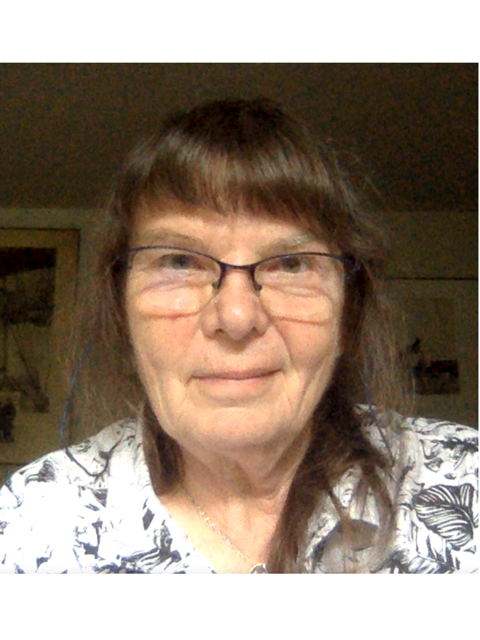
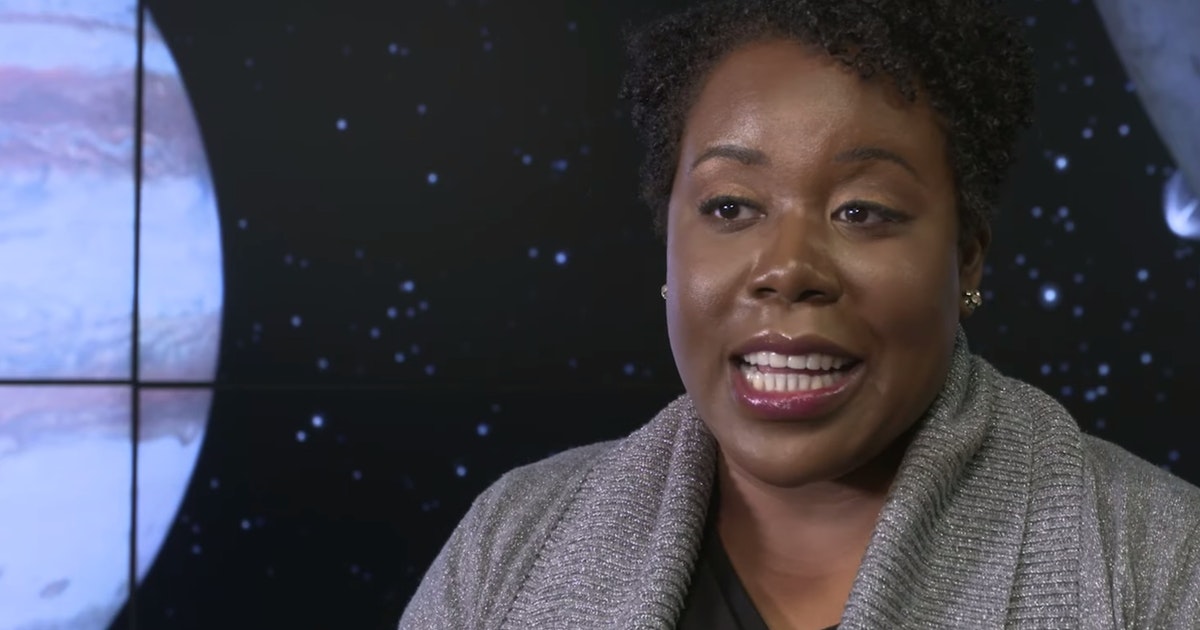
Lynnae QuickThe 2021 Harold C. Urey Prize for outstanding achievement in planetary research by an early career scientist is awarded to Dr. Lynnae C. Quick (NASA Goddard Space Flight Center). Dr. Quick’s innovative scientific work focuses on geophysical processes writ large, reaching from the inner solar system, through the asteroid belt, to ocean worlds, and into the exoplanetary realm. She has revisited modeling of (cryo)lava domes on Venus and Europa, was the first to model the formation of Ceres’ “bright spots” via the transport of material from a deep brine reservoir to the surface, has repeatedly provided new insights into plumes on Jupiter’s moon Europa, and shed light on the abundance of extrasolar ocean worlds. In addition to her scientific pursuits, Dr. Quick is exceptionally engaged in the broader research community through her proactive leadership as a co-investigator on several space missions, as a member of the Outer Planets Assessment Group steering committee, the Planetary Science Decadal Survey 2023-2032 panel on ocean worlds and dwarf planets, and the National Society of Black Physicists. Dr. Quick’s advocacy work to diversify the field is particularly notable. She has mentored many early career planetary scientists and is leading the Dragonfly Student and Early Career Investigator Program. Every aspect of Dr. Quick’s career represents a positive outlook for the future of our community.
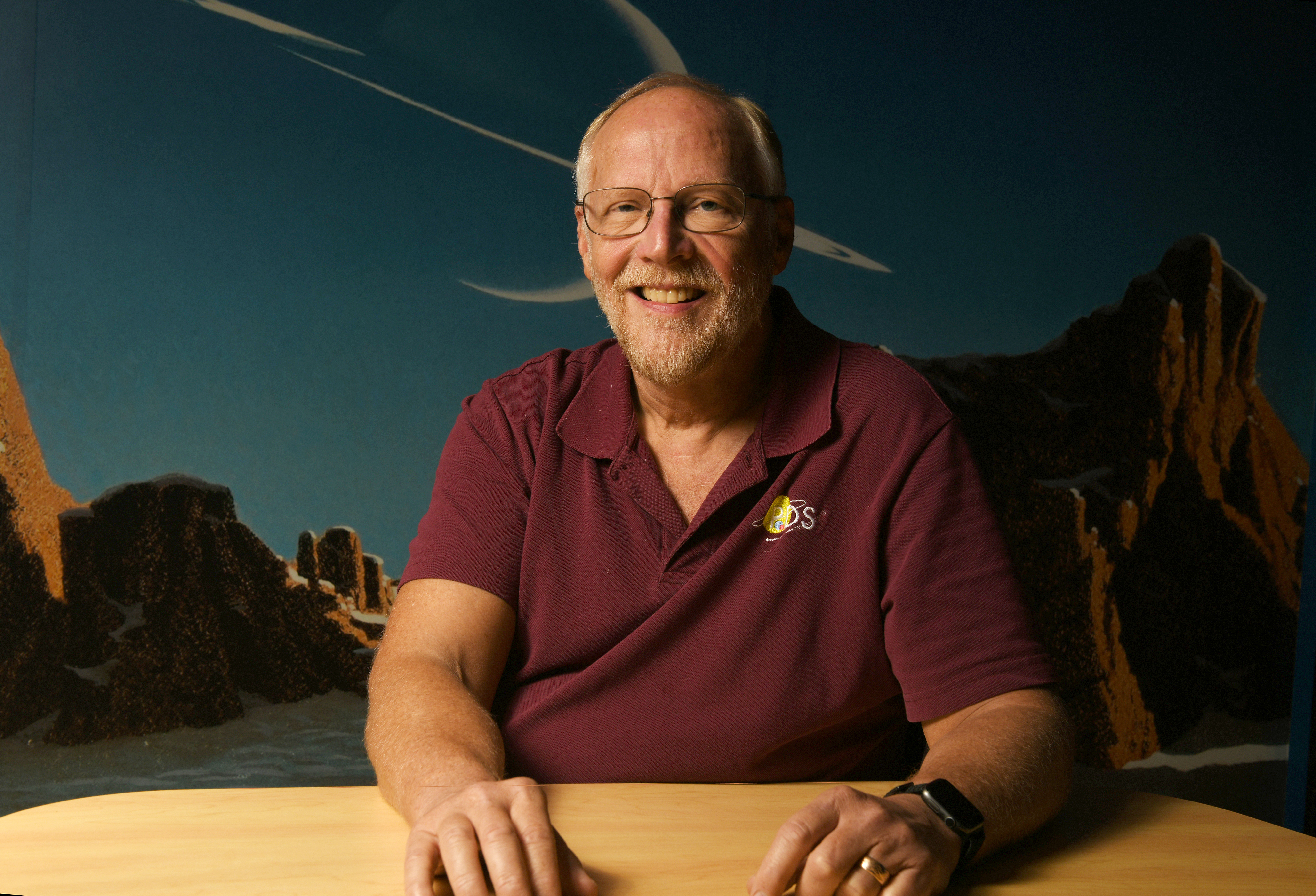
Mark ShowalterThe 2021 Harold Masursky Award for meritorious service to planetary science goes to Dr. Mark Showalter (SETI Institute). Dr. Showalter’s service to the community has centered around his 30 years as Principal Investigator of the Planetary Data System Ring-Moon Systems Node. In this role, Dr. Showalter has gone above and beyond simply archiving ring data to providing invaluable search and ephemeris tools that assist the planetary science community as a whole. He has set up graphical tools for observation and proposal planning, and produced the original design and much of the initial implementation of the Outer Planets Unified Search tool, which supports more than 1.5 million outer planet system observations.
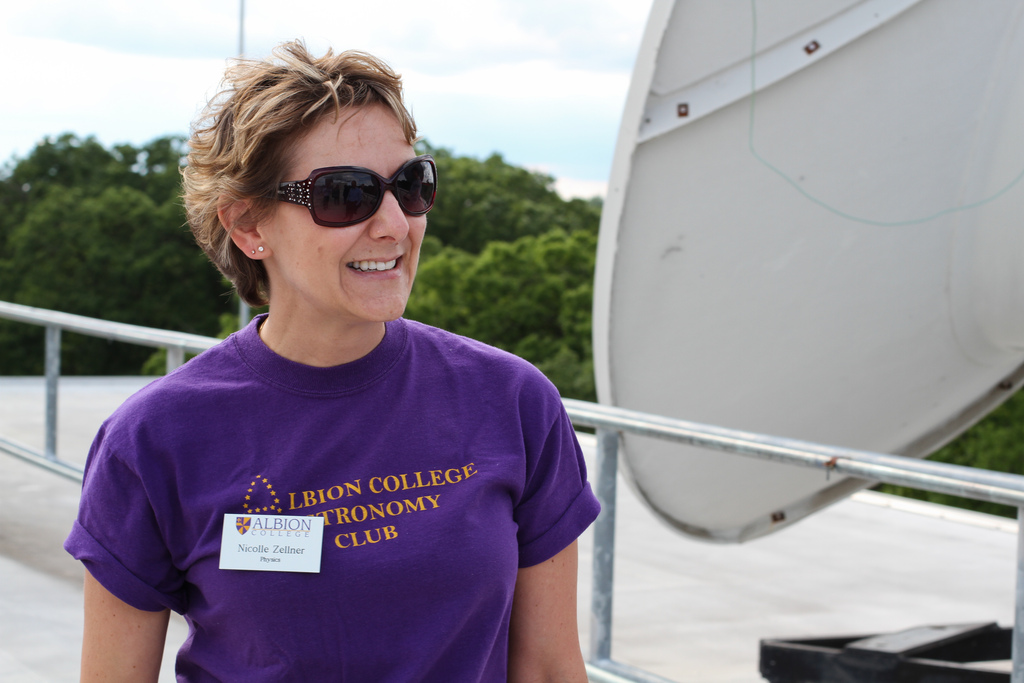
Nicholle ZellnerThis year the DPS is awarding two Carl Sagan Medals for excellence in public communication. One goes to Dr. Nicolle Zellner (Albion College) for her effective and wide-ranging outreach activities, reaching diverse audiences and spanning more than 20 years. Dr. Zellner has spoken to thousands of people around the country and has reached millions more through her written articles, television appearances, radio interviews, and more. She uses every opportunity to convey her passion and enthusiasm for space science to audiences of all ages, often bringing these topics to audiences who might otherwise not seek them out. She regularly offers public observing nights at Albion College and encourages college and community members to look up, especially during worldwide events, such as the annual International Observe the Moon Night, the 2012 Venus transit, and the 2017 Great American Solar Eclipse. Dr. Zellner co-founded the public observing program at Rensselaer Polytechnic Institute, is a member of one of the first classes of NASA’s Solar System Ambassadors, and is also a member of the Astronomy in Chile Educator Ambassadors Program.
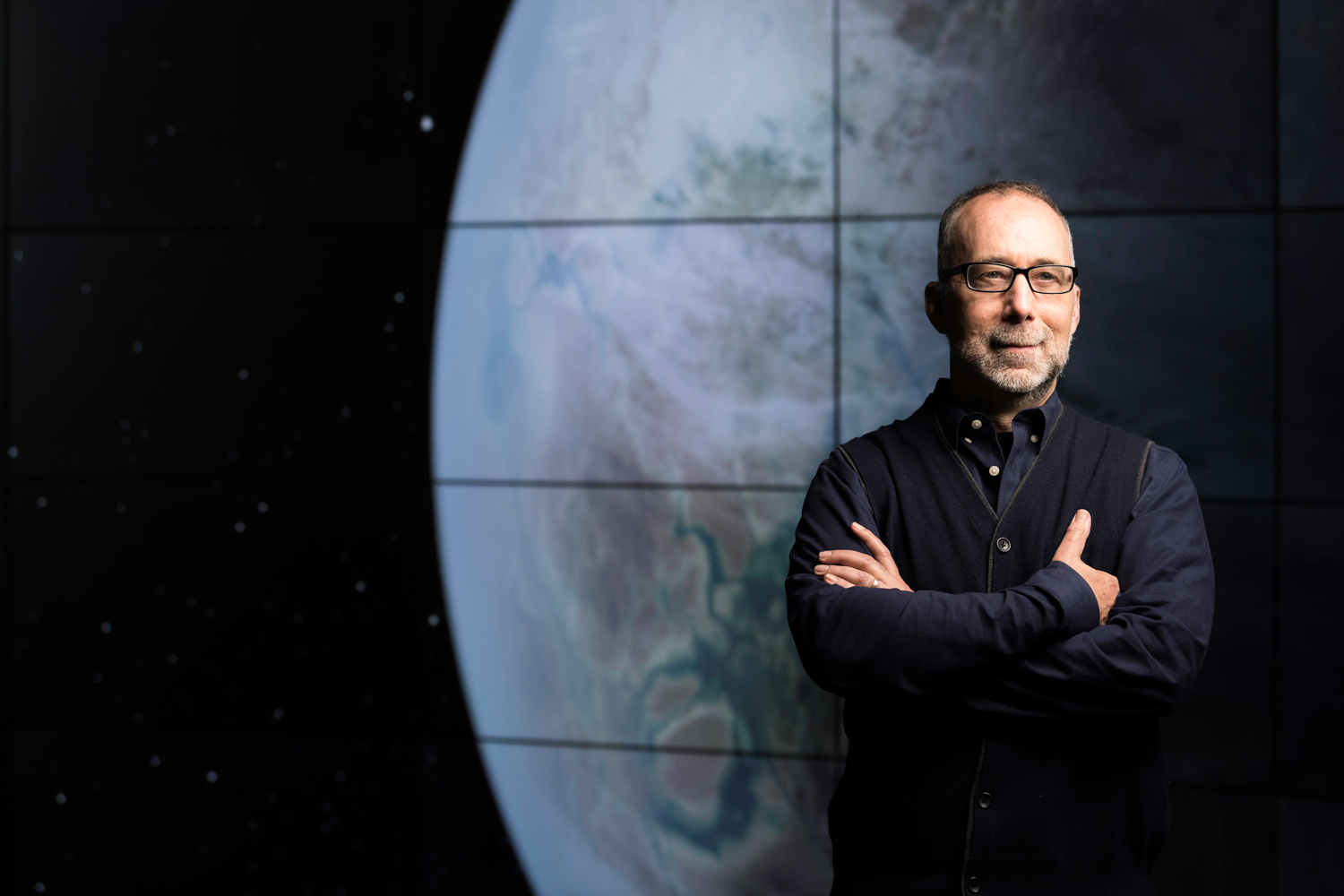
Adam FrankAlso receiving the Carl Sagan Medal is Dr. Adam Frank (University of Rochester), for founding continuously sustained efforts and solid platforms from which science can be distributed to the public in an accessible form. He was the co-founder of the National Public Radio 13.7 blog, a frequent contributor to the New York Times, and the creator of the Coursera course “Confronting the Big Questions: Highlights of Modern Astronomy.” The 13.7 Cosmos and Culture blog was a highly trafficked science blog with yearly visits exceeding 13 million.  Frank has also been a regular on-air commentator for NPR’s news show “All Things Considered.” Dr. Frank contributes to other publications like The Washington Post, The Atlantic and Scientific American and has authored four popular books arguing for the beauty of science and against science denial. He was also science advisor for Marvel’s “Doctor Strange” and has appeared on numerous science documentaries such as Netflix’s “Alien Worlds”.
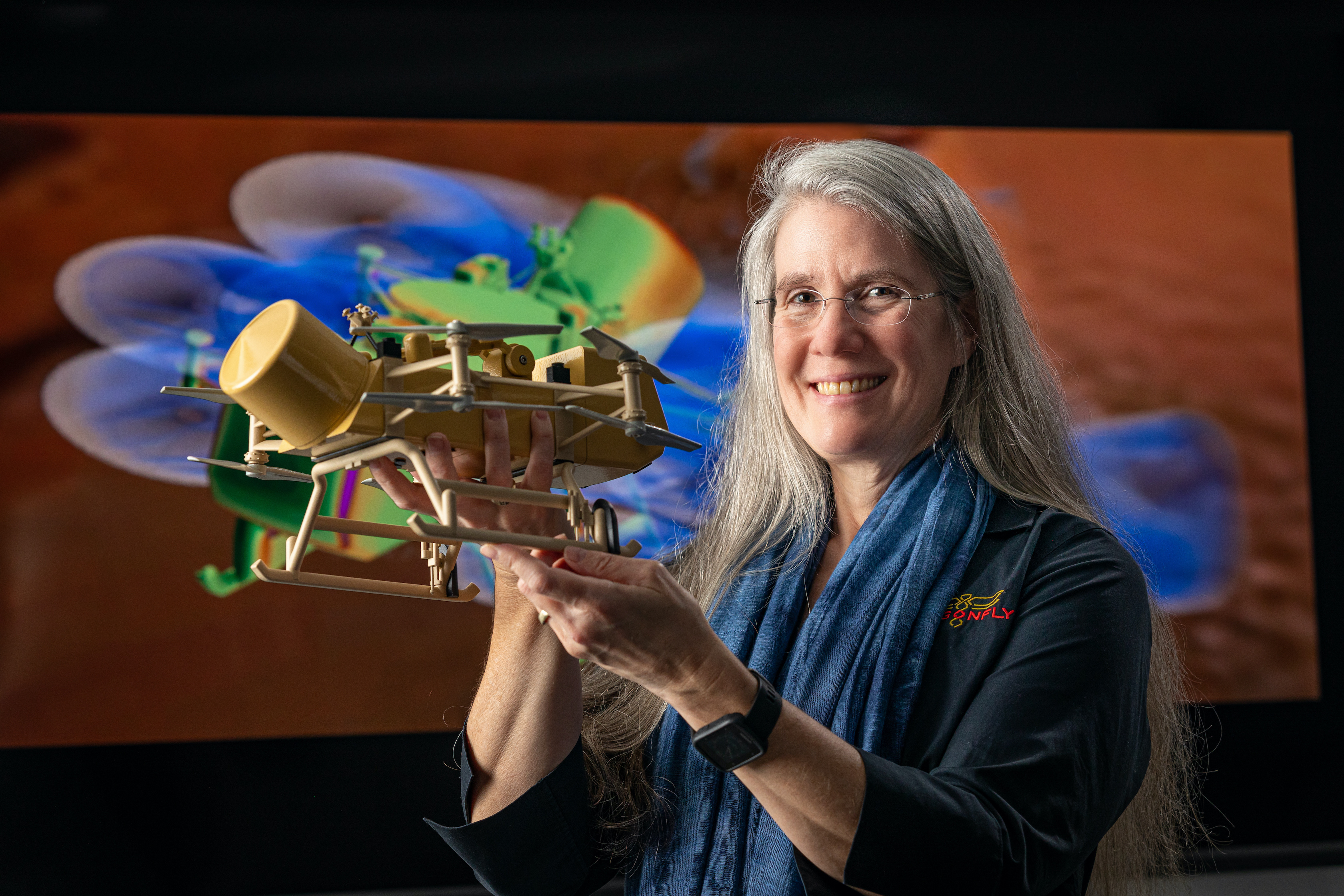
Elizabeth TurtleThe DPS is pleased to award the inaugural Claudia J. Alexander Prize recognizing outstanding contributions by a mid-career scientist to Dr. Elizabeth Turtle (Johns Hopkins University Applied Physics Laboratory). Dr. Turtle’s research contributions to understanding geophysical features on planetary surfaces, and the processes that drive them, span the solar system. She played an integral role in the analysis and interpretation of countless images from the Galileo and Cassini missions, building an intimate understanding of the mechanisms that shape the surfaces of satellites such as Io, Europa, and Titan. One of her most heavily cited papers, “Rapid and Extensive Surface Changes Near Titan’s Equator: Evidence of April Showers” (Science, 2011), demonstrates her creative approach of synthesizing data from three instruments on Cassini to tell a captivating story about an infrequent rain shower in Titan’s equatorial region. It is also clear that Dr. Turtle’s impact on planetary science will only grow. She currently leads two major projects slated to broaden humanity’s understanding of the habitability and potential for life on two of the most enchanting ocean worlds in our solar system: the Europa Imaging System (EIS) on Europa Clipper and the New Frontiers Dragonfly mission to Titan. Dr. Turtle exemplifies leadership in the field by any metric and is extremely dedicated to public outreach and engagement well beyond the scientific community.
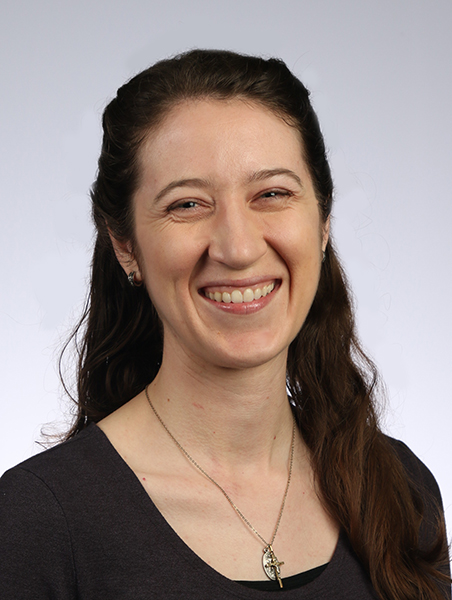
Camille CarlisleThe Jonathan Eberhart Planetary Science Journalism Award for distinguished popular writing goes to Camille Carlisle for her article “Rugged Worlds” in the May 2020 issue of Sky & Telescope. In this thoroughly researched article, Carlisle provides a riveting account of the surprising discoveries and challenges encountered by the OSIRIS-REx and Hayabusa2 spacecraft during their visits to asteroids Bennu and Ryugu, respectively. She compares and contrasts the two missions, provides an overview of their contributions to asteroid science, and addresses the new questions raised by the findings. Her writing brings the excitement of planetary science to the general public. The article is a wonderful contribution to the field and will no doubt increase public interest in not only the two space missions but also more widely in solar system exploration.

“We are delighted to honor the outstanding contributions of these scientists and science communicators to the field, which span an incredible breadth of topics ranging across the solar system,” said Prof. Amy Mainzer, Chair of the DPS.

The 2021 DPS prizes will be presented at the 53rd annual meeting of the Division for Planetary Sciences, which will take place virtually from 3 to 8 October 2021.

Contacts:

Dr. Shantanu Naidu

DPS Press Officer

+1 (917) 373-8840

[email protected]

Dr. Amy Mainzer

DPS Chair

[email protected]

More information about DPS prizes:

prizes

53rd annual DPS meeting, 3-8 October 2021:

https://aas.org/meetings/dps53

The Division for Planetary Sciences (DPS), founded in 1968, is the largest special-interest Division of the American Astronomical Society (AAS). Members of the DPS study the bodies of our own solar system, from planets and moons to comets and asteroids, and all other solar-system objects and processes. With the discovery that planets exist around other stars, the DPS has expanded its scope to include the study of extrasolar planetary systems as well.

The American Astronomical Society (AAS), established in 1899, is the major organization of professional astronomers in North America. The mission of the AAS is to enhance and share humanity’s scientific understanding of the universe as a diverse and inclusive astronomical community, which it achieves through publishing, meeting organization, science advocacy, education and outreach, and training and professional development.

9 August 2021

2021 Prize Recipients

Therese Encrenaz – 2021 Gerard P. Kuiper Prize 

Therese Encrenaz


The DPS awards the 2021 Gerard P. Kuiper Prize for outstanding contributions to the field of planetary science to Dr. Therese Encrenaz (French National Center for Scientific Research emeritus scientist, Paris Observatory, Paris Sciences and Letters University) in recognition of her advancement of our understanding of planetary atmospheres through her pioneering techniques, as well as for enabling groundbreaking research through her leadership roles, primarily at Paris Observatory’s Laboratory for Space Science and Astrophysical Instrumentation (LESIA), over four decades. Dr. Encrenaz’s innovative observation methods, using instruments such as the Texas Echelon Cross Echelle Spectrograph (TEXES) and NASA Infrared Telescope Facility (IRTF), led to the mapping of hydrogen peroxide and its seasonal variability in the Martian atmosphere. Along with her study of the spatial and seasonal variation of water, these discoveries led to a deeper understanding of Martian atmospheric chemistry. She advanced Venusian atmospheric science by monitoring and analyzing the variation in the abundance of water and sulfur dioxide in the cloud tops. In addition to her research, Dr. Encrenaz has performed leadership roles in several space missions, including as Mission Scientist for the Infrared Space Observatory and as co-investigator on missions such as Vega, Galileo, Mars Express, Venus Express, and Rosetta. She has widely disseminated planetary science to the general public by authoring over 20 popular science books.


Lynnae Quick – 2021 Harold C. Urey Prize 

Lynnae Quick The 2021 Harold C. Urey Prize for outstanding achievement in planetary research by an early career scientist is awarded to Dr. Lynnae C. Quick (NASA Goddard Space Flight Center). Dr. Quick’s innovative scientific work focuses on geophysical processes writ large, reaching from the inner solar system, through the asteroid belt, to ocean worlds, and into the exoplanetary realm. She has revisited modeling of (cryo)lava domes on Venus and Europa, was the first to model the formation of Ceres’ “bright spots” via the transport of material from a deep brine reservoir to the surface, has repeatedly provided new insights into plumes on Jupiter’s moon Europa, and shed light on the abundance of extrasolar ocean worlds. In addition to her scientific pursuits, Dr. Quick is exceptionally engaged in the broader research community through her proactive leadership as a co-investigator on several space missions, as a member of the Outer Planets Assessment Group steering committee, the Planetary Science Decadal Survey 2023-2032 panel on ocean worlds and dwarf planets, and the National Society of Black Physicists. Dr. Quick’s advocacy work to diversify the field is particularly notable. She has mentored many early career planetary scientists and is leading the Dragonfly Student and Early Career Investigator Program. Every aspect of Dr. Quick’s career represents a positive outlook for the future of our community.


Mark Showalter – 2021 Harold Masursky 

Mark Showalter The 2021 Harold Masursky Award for meritorious service to planetary science goes to Dr. Mark Showalter (SETI Institute). Dr. Showalter’s service to the community has centered around his 30 years as Principal Investigator of the Planetary Data System Ring-Moon Systems Node. In this role, Dr. Showalter has gone above and beyond simply archiving ring data to providing invaluable search and ephemeris tools that assist the planetary science community as a whole. He has set up graphical tools for observation and proposal planning, and produced the original design and much of the initial implementation of the Outer Planets Unified Search tool, which supports more than 1.5 million outer planet system observations.


Nicolle Zellner – 2021 Carl Sagan Medal 

Nicholle Zellner This year the DPS is awarding two Carl Sagan Medals for excellence in public communication. One goes to Dr. Nicolle Zellner (Albion College) for her effective and wide-ranging outreach activities, reaching diverse audiences and spanning more than 20 years. Dr. Zellner has spoken to thousands of people around the country and has reached millions more through her written articles, television appearances, radio interviews, and more. She uses every opportunity to convey her passion and enthusiasm for space science to audiences of all ages, often bringing these topics to audiences who might otherwise not seek them out. She regularly offers public observing nights at Albion College and encourages college and community members to look up, especially during worldwide events, such as the annual International Observe the Moon Night, the 2012 Venus transit, and the 2017 Great American Solar Eclipse. Dr. Zellner co-founded the public observing program at Rensselaer Polytechnic Institute, is a member of one of the first classes of NASA’s Solar System Ambassadors, and is also a member of the Astronomy in Chile Educator Ambassadors Program.


Adam Frank – 2021 Carl Sagan Medal 

Adam Frank Also receiving the Carl Sagan Medal is Dr. Adam Frank (University of Rochester), for founding continuously sustained efforts and solid platforms from which science can be distributed to the public in an accessible form. He was the co-founder of the National Public Radio 13.7 blog, a frequent contributor to the New York Times, and the creator of the Coursera course “Confronting the Big Questions: Highlights of Modern Astronomy.” The 13.7 Cosmos and Culture blog was a highly trafficked science blog with yearly visits exceeding 13 million.  Frank has also been a regular on-air commentator for NPR’s news show “All Things Considered.” Dr. Frank contributes to other publications like The Washington Post, The Atlantic and Scientific American and has authored four popular books arguing for the beauty of science and against science denial. He was also science advisor for Marvel’s “Doctor Strange” and has appeared on numerous science documentaries such as Netflix’s “Alien Worlds”.


Elizabeth Turtle – 2021 Claudia J. Alexander Prize 

Elizabeth Turtle  The DPS is pleased to award the inaugural Claudia J. Alexander Prize recognizing outstanding contributions by a mid-career scientist to Dr. Elizabeth Turtle (Johns Hopkins University Applied Physics Laboratory). Dr. Turtle’s research contributions to understanding geophysical features on planetary surfaces, and the processes that drive them, span the solar system. She played an integral role in the analysis and interpretation of countless images from the Galileo and Cassini missions, building an intimate understanding of the mechanisms that shape the surfaces of satellites such as Io, Europa, and Titan. One of her most heavily cited papers, “Rapid and Extensive Surface Changes Near Titan’s Equator: Evidence of April Showers” (Science, 2011), demonstrates her creative approach of synthesizing data from three instruments on Cassini to tell a captivating story about an infrequent rain shower in Titan’s equatorial region. It is also clear that Dr. Turtle’s impact on planetary science will only grow. She currently leads two major projects slated to broaden humanity’s understanding of the habitability and potential for life on two of the most enchanting ocean worlds in our solar system: the Europa Imaging System (EIS) on Europa Clipper and the New Frontiers Dragonfly mission to Titan. Dr. Turtle exemplifies leadership in the field by any metric and is extremely dedicated to public outreach and engagement well beyond the scientific community.


Camille Carlisle – 2021 Jonathan Eberhart Award 

Camille Carlisle The Jonathan Eberhart Planetary Science Journalism Award for distinguished popular writing goes to Camille Carlisle for her article “Rugged Worlds” in the May 2020 issue of Sky & Telescope. In this thoroughly researched article, Carlisle provides a riveting account of the surprising discoveries and challenges encountered by the OSIRIS-REx and Hayabusa2 spacecraft during their visits to asteroids Bennu and Ryugu, respectively. She compares and contrasts the two missions, provides an overview of their contributions to asteroid science, and addresses the new questions raised by the findings. Her writing brings the excitement of planetary science to the general public. The article is a wonderful contribution to the field and will no doubt increase public interest in not only the two space missions but also more widely in solar system exploration.


Last updated: 9 Aug 2021

Message from the Chair: 2021 DPS Election Results

It is my pleasure to announce the results of the 2021 DPS elections.

Congratulations to Catherine Neish, who is the incoming Vice-Chair, and to Brian Jackson and Serina Diniega, incoming Committee members. These elected members will begin their terms of service after the Members meeting at the 53nd Annual DPS meeting in October.

The Division for Planetary Sciences relies on volunteers for its leadership positions and we thank all members who were willing to run for these elected positions. A special thanks to our Nominating Subcommittee, Matthew Knight, Desiree Cotto-Figueroa, and Alessondra Springmann for assembling the 2021 slate of candidates, Secretary Maria Womack, for running the elections and to the AAS for their technical support.


Amy Mainzer

DPS Chair


9 Aug 2021

Newsletter 21-19

Issue 21-19, Aug 9, 2021


+————————————CONTENTS—————————————-+

  1. MESSAGE FROM THE CHAIR: 2021 DPS ELECTION RESULTS
  2. AAS DPS ANNOUNCES 2021 PRIZE WINNERS
  3. DPS MEETING SESSION CHAIRS STILL NEEDED
  4. DPS MEETING REGISTRATION REMINDER
  5. NORC DEIA RESEARCH STUDY SEEKS THOSE WHO SERVED AS NASA PI FOR COMPETED SPACE MISSION PROPOSAL
  6. JOBS, POSITIONS, AND OPPORTUNITIES

+——————————————————————————————–+


1———1———1———1———1———1———1———1———1———1


MESSAGE FROM THE CHAIR: 2021 DPS ELECTION RESULTS


It is my pleasure to announce the results of the 2021 DPS elections.


Congratulations to Catherine Neish, who is the incoming Vice-Chair, and to Brian Jackson and Serina Diniega, incoming Committee members. These elected members will begin their terms of service after the Members meeting at the 53nd Annual DPS meeting in October.


The Division for Planetary Sciences relies on volunteers for its leadership positions and we thank all members who were willing to run for these elected positions. A special thanks to our Nominating Subcommittee, Matthew Knight, Desiree Cotto-Figueroa, and Alessondra Springmann for assembling the 2021 slate of candidates, Secretary Maria Womack, for running the elections and to the AAS for their technical support.


Amy Mainzer

DPS Chair


9 Aug 2021


2———2———2———2———2———2———2———2———2———2


AAS DPS ANNOUNCES 2021 PRIZE WINNERS


Therese Encrenaz – 2021 Gerard P. Kuiper Prize

The DPS awards the 2021 Gerard P. Kuiper Prize for outstanding contributions to the field of planetary science to Dr. Therese Encrenaz (French National Center for Scientific Research emeritus scientist, Paris Observatory, Paris Sciences and Letters University) in recognition of her advancement of our understanding of planetary atmospheres through her pioneering techniques, as well as for enabling groundbreaking research through her leadership roles, primarily at Paris Observatory’s Laboratory for Space Science and Astrophysical Instrumentation (LESIA), over four decades. Dr. Encrenaz’s innovative observation methods, using instruments such as the Texas Echelon Cross Echelle Spectrograph (TEXES) and NASA Infrared Telescope Facility (IRTF), led to the mapping of hydrogen peroxide and its seasonal variability in the Martian atmosphere. Along with her study of the spatial and seasonal variation of water, these discoveries led to a deeper understanding of Martian atmospheric chemistry. She advanced Venusian atmospheric science by monitoring and analyzing the variation in the abundance of water and sulfur dioxide in the cloud tops. In addition to her research, Dr. Encrenaz has performed leadership roles in several space missions, including as Mission Scientist for the Infrared Space Observatory and as co-investigator on missions such as Vega, Galileo, Mars Express, Venus Express, and Rosetta. She has widely disseminated planetary science to the general public by authoring over 20 popular science books.


Lynnae Quick – 2021 Harold C. Urey Prize

The 2021 Harold C. Urey Prize for outstanding achievement in planetary research by an early career scientist is awarded to Dr. Lynnae C. Quick (NASA Goddard Space Flight Center). Dr. Quick’s innovative scientific work focuses on geophysical processes writ large, reaching from the inner solar system, through the asteroid belt, to ocean worlds, and into the exoplanetary realm. She has revisited modeling of (cryo)lava domes on Venus and Europa, was the first to model the formation of Ceres’ *bright spots* via the transport of material from a deep brine reservoir to the surface, has repeatedly provided new insights into plumes on Jupiter’s moon Europa, and shed light on the abundance of extrasolar ocean worlds. In addition to her scientific pursuits, Dr. Quick is exceptionally engaged in the broader research community through her proactive leadership as a co-investigator on several space missions, as a member of the Outer Planets Assessment Group steering committee, the Planetary Science Decadal Survey 2023-2032 panel on ocean worlds and dwarf planets, and the National Society of Black Physicists. Dr. Quick’s advocacy work to diversify the field is particularly notable. She has mentored many early career planetary scientists and is leading the Dragonfly Student and Early Career Investigator Program. Every aspect of Dr. Quick’s career represents a positive outlook for the future of our community.


Mark Showalter – 2021 Harold Masursky

The 2021 Harold Masursky Award for meritorious service to planetary science goes to Dr. Mark Showalter (SETI Institute). Dr. Showalter’s service to the community has centered around his 30 years as Principal Investigator of the Planetary Data System Ring-Moon Systems Node. In this role, Dr. Showalter has gone above and beyond simply archiving ring data to providing invaluable search and ephemeris tools that assist the planetary science community as a whole. He has set up graphical tools for observation and proposal planning, and produced the original design and much of the initial implementation of the Outer Planets Unified Search tool, which supports more than 1.5 million outer planet system observations.


Nicolle Zellner – 2021 Carl Sagan Medal

This year the DPS is awarding two Carl Sagan Medals for excellence in public communication. One goes to Dr. Nicolle Zellner (Albion College) for her effective and wide-ranging outreach activities, reaching diverse audiences and spanning more than 20 years. Dr. Zellner has spoken to thousands of people around the country and has reached millions more through her written articles, television appearances, radio interviews, and more. She uses every opportunity to convey her passion and enthusiasm for space science to audiences of all ages, often bringing these topics to audiences who might otherwise not seek them out. She regularly offers public observing nights at Albion College and encourages college and community members to look up, especially during worldwide events, such as the annual International Observe the Moon Night, the 2012 Venus transit, and the 2017 Great American Solar Eclipse. Dr. Zellner co-founded the public observing program at Rensselaer Polytechnic Institute, is a member of one of the first classes of NASA’s Solar System Ambassadors, and is also a member of the Astronomy in Chile Educator Ambassadors Program.


Adam Frank – 2021 Carl Sagan Medal

Also receiving the Carl Sagan Medal is Dr. Adam Frank (University of Rochester), for founding continuously sustained efforts and solid platforms from which science can be distributed to the public in an accessible form. He was the co-founder of the National Public Radio 13.7 blog, a frequent contributor to the New York Times, and the creator of the Coursera course *Confronting the Big Questions: Highlights of Modern Astronomy.* The 13.7 Cosmos and Culture blog was a highly trafficked science blog with yearly visits exceeding 13 million. Frank has also been a regular on-air commentator for NPR’s news show *All Things Considered.* Dr. Frank contributes to other publications like The Washington Post, The Atlantic and Scientific American and has authored four popular books arguing for the beauty of science and against science denial. He was also science advisor for Marvel’s “Doctor Strange* and has appeared on numerous science documentaries such as Netflix’s *Alien Worlds*.


Elizabeth Turtle – 2021 Claudia J. Alexander Prize

The DPS is pleased to award the inaugural Claudia J. Alexander Prize recognizing outstanding contributions by a mid-career scientist to Dr. Elizabeth Turtle (Johns Hopkins University Applied Physics Laboratory). Dr. Turtle’s research contributions to understanding geophysical features on planetary surfaces, and the processes that drive them, span the solar system. She played an integral role in the analysis and interpretation of countless images from the Galileo and Cassini missions, building an intimate understanding of the mechanisms that shape the surfaces of satellites such as Io, Europa, and Titan. One of her most heavily cited papers, *Rapid and Extensive Surface Changes Near Titan’s Equator: Evidence of April Showers* (Science, 2011), demonstrates her creative approach of synthesizing data from three instruments on Cassini to tell a captivating story about an infrequent rain shower in Titan’s equatorial region. It is also clear that Dr. Turtle’s impact on planetary science will only grow. She currently leads two major projects slated to broaden humanity’s understanding of the habitability and potential for life on two of the most enchanting ocean worlds in our solar system: the Europa Imaging System (EIS) on Europa Clipper and the New Frontiers Dragonfly mission to Titan. Dr. Turtle exemplifies leadership in the field by any metric and is extremely dedicated to public outreach and engagement well beyond the scientific community.


Camille Carlisle – 2021 Jonathan Eberhart Award

The Jonathan Eberhart Planetary Science Journalism Award for distinguished popular writing goes to Camille Carlisle for her article *Rugged Worlds* in the May 2020 issue of Sky & Telescope. In this thoroughly researched article, Carlisle provides a riveting account of the surprising discoveries and challenges encountered by the OSIRIS-REx and Hayabusa2 spacecraft during their visits to asteroids Bennu and Ryugu, respectively. She compares and contrasts the two missions, provides an overview of their contributions to asteroid science, and addresses the new questions raised by the findings. Her writing brings the excitement of planetary science to the general public. The article is a wonderful contribution to the field and will no doubt increase public interest in not only the two space missions but also more widely in solar system exploration.


3———3———3———3———3———3———3———3———3———3


DPS MEETING SESSION CHAIRS STILL NEEDED


If you are planning to attend the Fall 2021 DPS meeting, please volunteer to be a session chair or a science chat moderator. This is a great way to make new connections. Sign up here: https://bit.ly/3ycPMBb


4———4———4———4———4———4———4———4———4———4


DPS MEETING REGISTRATION REMINDER


Sep 9 is the presenter deadline to register. Non-presenters may register throughout the meeting. Full member registration fee is $270; all students are $75; other rates at the link below.

https://aas.org/meetings/dps53/registration


5———5———5———5———5———5———5———5———5———5


NORC DEIA RESEARCH STUDY SEEKS THOSE WHO SERVED AS NASA PI FOR COMPETED SPACE MISSION PROPOSAL


The National Academies of Sciences, Engineering, and Medicine (NASEM) has contracted with NORC at the University of Chicago (NORC) to implement an important research study to understand the factors that impede or facilitate diversity, equity, inclusion, and accessibility in the proposed leadership for competed space missions at the National Aeronautics and Space Administration (NASA). The results of this study will inform practical recommendations for the Science Mission Directorate at NASA and its partners to reduce impediments to applicants and thereby enhance diversity, equity, inclusion, and accessibility in the competitive pool of proposed leaders.


We are looking for potential key informants, who have served as Principal Investigator (PI) on at least one proposal for a competed space mission from 2010 to the present, who would be willing to participate in a discussion around the processes for preparing and submitting a mission proposal to NASA, and elements of the mission proposal process that may present barriers or are facilitators for achieving diversity, equity, inclusion, and accessibility. We are interested in speaking to an array of individuals, who can provide diverse perspectives based on their race/ethnicity, gender identity, career stage, success of applications to NASA, and other factors.


Participation in this study will comprise a 45–60-minute virtual discussion with an interviewer from NORC. Your participation in the study will NOT be made known to NASA or NASEM, and NO staff outside of the NORC Study Team will know your identity or be involved in the discussion itself. All interview responses will be kept confidential and stored separately from your contact information, and NORC will not share your contact information or interview responses with anyone outside our study team.


If you are interested in participating in the study, please complete this short Study Eligibility Survey by August 20, 2021: https://norc.az1.qualtrics.com/jfe/form/SV_dnCQsdxJUtl5W4u OR reply to [email protected]. The NORC study team will contact you within a few weeks to schedule an interview if you are eligible to participate.


Thank you,

The NORC Study Team


Elena Navarro (she/her/hers)

Research Analyst

Economics, Justice, and Society Department

work (312) 201-4486

[email protected]


NORC at the University of Chicago

55 East Monroe Street, 30th Floor, Chicago IL 60603


6———6———6———6———6———6———6———6———6———6


JOBS, POSITIONS, AND OPPORTUNITIES


A. Tenure-track/tenured faculty position in Space Physics at any rank/level, UCLA


https://recruit.apo.ucla.edu/JPF06572


B. 51 Pegasi b Fellowship in Planetary Astronomy at UCLA


https://jobregister.aas.org/ad/7c75e9d3


Job seekers and employers are encouraged to browse DPS’s job listings and advertise open positions.


———————————+


Send submissions to:


Maria Womack, DPS Secretary ([email protected])


You’re receiving this email because you are a DPS member. To unsubscribe or update your information, please send your request to [email protected]. The more general AAS privacy policy is available online at https://aas.org/about/policies/privacy-policy. Current and back issues of the DPS Newsletter can be found at newsletters


Newsletter 21-18

Issue 21-18, Aug 2, 2021

+————————————CONTENTS—————————————-+

  1. REGISTER NOW FOR FALL MEETING (SEP 9 PRESENTER DEADLINE)
  2. LIMITED DISCOUNTED REGISTRATION
  3. DPS MEETING SESSION CHAIRS NEEDED
  4. MERCURY’S SURFACE RESPONSE TO THE INTERPLANETARY ENVIRONMENT: IDENTIFYING NEEDED STUDIES IN LABORATORY ASTROPHYSICS
  5. ARECIBO OBSERVATORY QUARTERLY NEWSLETTER NOW AVAILABLE
  6. AGU SESSION P008 – ENCELADUS: BEACON OF OCEAN WORLDS
  7. P017 – IN SITU GEOPHYSICAL EXPLORATION OF PLANETARY BODIES
  8. JOBS, POSITIONS, AND OPPORTUNITIES

+——————————————————————————————–+


1———1———1———1———1———1———1———1———1———1


REGISTER NOW FOR FALL MEETING (SEP 9 PRESENTER DEADLINE)


Full member registration fee is $270; all students are $75; other rates at the link below.


[email protected]. These discounted registrations are intended for persons who submit an abstract to DPS and engage in the meeting, and whose work would benefit the planetary science community, but who in general receive little professional benefit from attending the meeting (and so generally would not attend).


3———3———3———3———3———3———3———3———3———3


DPS MEETING SESSION CHAIRS NEEDED


Will you attend DPS this fall? We need your help! DPS will be held virtually 3-8 October. Please add your name to the list of volunteers to be a session chair or science chat moderator here: https://bit.ly/3ycPMBb. Thanks!


4———4———4———4———4———4———4———4———4———4


MERCURY’S SURFACE RESPONSE TO THE INTERPLANETARY ENVIRONMENT: IDENTIFYING NEEDED STUDIES IN LABORATORY ASTROPHYSICS


Date: 24-27 January 2022

Location: Virtually Everywhere


Mercury is a complex system of interconnected parts: its magnetosphere, exosphere, and surface. How this system responds to its interplanetary (solar and dust) environment is equally complex. Numerous models have been developed to understand how solar wind particles and micrometeorites interact with Mercury’s magnetosphere and surface to modify the surface spectral, mineral, and chemical properties and to produce the planet’s exosphere. However, the reliability of these models hinges on how accurately we understand the underlying physical processes responsible for the observed properties.


This workshop will focus on identifying those physical processes whose uncertainties hinder the field’s ability to reliably model Mercury’s response to the solar and interplanetary environment. In specific, the workshop will discuss those studies in laboratory astrophysics, both experimental and theoretical, that are most critically needed in order to advance our understanding of Mercury’s system.


The goal of this workshop is to produce a series of focused reports to guide the scientific community’s efforts for supporting the analysis of the BepiColombo measurements and observations and for future missions. It will examine the limitations of current planetary models that allow us to understand what is observed in situ building on the underlying laboratory astrophysics data. Furthermore, it will outline the current status of laboratory astrophysics studies applicable to the above questions and what experimental and theoretical work is needed to fully address these unknowns.


A modest registration fee to be determined will be requested.


For more details, please visit:

https://meeting.psi.edu/mercurylab2022/

or email any questions to: [email protected]


5———5———5———5———5———5———5———5———5———5


ARECIBO OBSERVATORY QUARTERLY NEWSLETTER NOW AVAILABLE 


The 2021 Summer Arecibo Observatory Newsletter now available! Each newsletter features science highlights and updates about the facility, staff, and current education programs. See all Newsletters here: AO Newsletters. You can subscribe to receive future newsletters via email: Join the AO Newsletter list.


6———6———6———6———6———6———6———6———6———6


AGU SESSION P008 – ENCELADUS: BEACON OF OCEAN WORLDS


Saturn’s moon Enceladus continues to captivate. Its diversity of ocean world processes offers a bounty of phenomena for fundamental science, including cryovolcanism and plume dynamics, surface geology and the tectonics of ice, tidal heating, interior structure, ocean circulation dynamics, water-rock geochemistry, hydrothermal systems, the origin and evolution of icy bodies, and much more. Enceladus is a gateway to alien oceans. Furthermore, Enceladus is one of the prime destinations for astrobiology, because of the easy access to ocean-derived materials, and because it appears to be tantalizingly habitable. Many of us are now asking how Enceladus can support life, and how might we search for evidence of life?


This hybrid session (in person and virtual options) brings our diverse community together to discuss the current state of understanding of all things Enceladus. We also welcome contributions that contextualize Enceladus with other areas of Earth and Planetary Sciences, or provide perspectives on the future of Enceladus exploration.


Please submit your abstract by August 4 at

https://agu.confex.com/agu/fm21/prelim.cgi/Session/124708


Chris Glein (Southwest Research Institute) and Emily Martin (Smithsonian Institution)


7———7———7———7———7———7———7———7———7———7———


P017 – IN SITU GEOPHYSICAL EXPLORATION OF PLANETARY BODIES 


Recent planetary landers and rovers have introduced new geophysical approaches to characterizing planetary bodies. The acquisition of geophysical data (e.g. magnetic, radar, seismic, thermal, permitivity, etc.) makes it possible to characterize in unprecedented detail the interior of the study target, helping detect cores, characterizing regoliths, and exploring near-surface resources that could one day sustain long-lived exploration. We invite abstracts that present results from recent missions that involve geophysical instruments, such as InSight, Hayabyusa2/MASCOT, and the Chang’E 3, 4, and 5 landers and rovers. Discussion of novel exploration strategies, methods, and instruments that could be deployed in upcoming missions to the Moon, Mars, Europa, and elsewhere, are also welcome.


https://agu.confex.com/agu/fm21/prelim.cgi/Session/120500


The deadline for all submissions is Wednesday, August 4, 2021 at 23:59 EDT.


Conveners:

Laurent Montesi, University of Maryland College Park

Matthias Grott, German Aerospace Center (DLR)

Renee Weber, NASA Marshall Flight Center

Zhiyong Xiao, Sun Yat-sen University


8———8———8———8———8———8———8———8———8———8———


JOBS, POSITIONS, AND OPPORTUNITIES


A. TENURE TRACK FACULTY POSITION IN PLANETARY SCIENCE AT BROWN UNIVERSITY


The Department of Earth, Environmental and Planetary Sciences at Brown University invites applications for a tenure-track faculty position in Planetary Science. Ideal candidates are those working on fundamental processes applicable across multiple Solar System bodies and who would broaden and enhance existing departmental strengths in climate and environmental science, geochemistry, geophysics, planetary materials, or remote sensing. We encourage candidates from all fields of planetary science to apply.


http://apply.interfolio.com/90367


You may also contact the search committee chair Professor Ralph Milliken ([email protected]).


Job seekers and employers are encouraged to advertise open positions.


———————————+


Send submissions to:


Maria Womack, DPS Secretary ([email protected])


You’re receiving this email because you are a DPS member. To unsubscribe or update your information, please send your request to [email protected]. The more general AAS privacy policy is available online at https://aas.org/about/policies/privacy-policy. Current and back issues of the DPS Newsletter can be found at newsletters


DPS 2021 Elections Candidate Slate

Members of the DPS should have received their ballot by email on around 28 June.  If you need help please contact Diane Frendak at [email protected].


The DPS Nominating Subcommittee has identified the following candidates for the 2021 DPS elections for Vice Chair and Committee (the Student Representative is not open again until 2022).

Please read candidate information and statements in this pdf.


Vice Chair (1 to be elected):

  • Catherine Neish, U. of Western Ontario
  • Gonzalo Tancredi, UdelaR, Uruguay


Committee (2 to be elected):

  • Serina Diniega, JPL
  • Brian Jackson, Boise State U.
  • Joseph Masiero, Caltech/IPAC
  • Seth Jacobson, Michigan State U.


Per the DPS Bylaws, additional candidates for Vice Chair and Committee, supported by a petition of at least 20 DPS members, may be nominated by June 22nd. Please send any nominations to the DPS Secretary, Maria Womack, at [email protected].


The DPS Committee thanks the members of the Nominating Subcommittee for their dedicated service to the DPS:

  • Matthew Knight (Chair)
  • Desiree Cotto Figueroa
  • Alessondra Springmann


Last updated 28 June 2021