Issue 21-19, Aug 9, 2021
+————————————CONTENTS—————————————-+
- MESSAGE FROM THE CHAIR: 2021 DPS ELECTION RESULTS
- AAS DPS ANNOUNCES 2021 PRIZE WINNERS
- DPS MEETING SESSION CHAIRS STILL NEEDED
- DPS MEETING REGISTRATION REMINDER
- NORC DEIA RESEARCH STUDY SEEKS THOSE WHO SERVED AS NASA PI FOR COMPETED SPACE MISSION PROPOSAL
- JOBS, POSITIONS, AND OPPORTUNITIES
+——————————————————————————————–+
1———1———1———1———1———1———1———1———1———1
MESSAGE FROM THE CHAIR: 2021 DPS ELECTION RESULTS
It is my pleasure to announce the results of the 2021 DPS elections.
Congratulations to Catherine Neish, who is the incoming Vice-Chair, and to Brian Jackson and Serina Diniega, incoming Committee members. These elected members will begin their terms of service after the Members meeting at the 53nd Annual DPS meeting in October.
The Division for Planetary Sciences relies on volunteers for its leadership positions and we thank all members who were willing to run for these elected positions. A special thanks to our Nominating Subcommittee, Matthew Knight, Desiree Cotto-Figueroa, and Alessondra Springmann for assembling the 2021 slate of candidates, Secretary Maria Womack, for running the elections and to the AAS for their technical support.
Amy Mainzer
DPS Chair
9 Aug 2021
2———2———2———2———2———2———2———2———2———2
AAS DPS ANNOUNCES 2021 PRIZE WINNERS
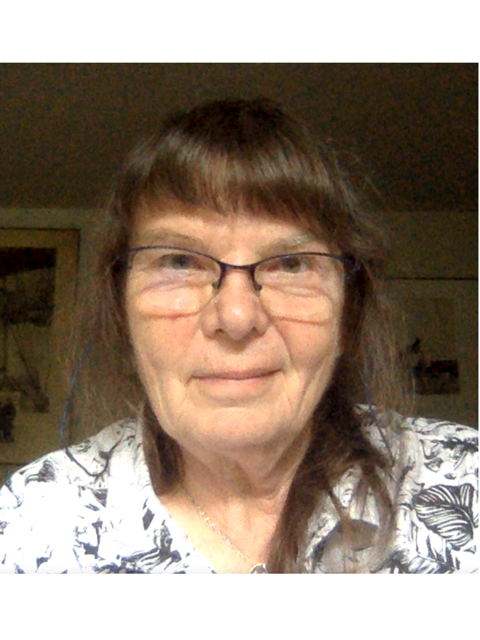
Therese Encrenaz – 2021 Gerard P. Kuiper Prize
The DPS awards the 2021 Gerard P. Kuiper Prize for outstanding contributions to the field of planetary science to Dr. Therese Encrenaz (French National Center for Scientific Research emeritus scientist, Paris Observatory, Paris Sciences and Letters University) in recognition of her advancement of our understanding of planetary atmospheres through her pioneering techniques, as well as for enabling groundbreaking research through her leadership roles, primarily at Paris Observatory’s Laboratory for Space Science and Astrophysical Instrumentation (LESIA), over four decades. Dr. Encrenaz’s innovative observation methods, using instruments such as the Texas Echelon Cross Echelle Spectrograph (TEXES) and NASA Infrared Telescope Facility (IRTF), led to the mapping of hydrogen peroxide and its seasonal variability in the Martian atmosphere. Along with her study of the spatial and seasonal variation of water, these discoveries led to a deeper understanding of Martian atmospheric chemistry. She advanced Venusian atmospheric science by monitoring and analyzing the variation in the abundance of water and sulfur dioxide in the cloud tops. In addition to her research, Dr. Encrenaz has performed leadership roles in several space missions, including as Mission Scientist for the Infrared Space Observatory and as co-investigator on missions such as Vega, Galileo, Mars Express, Venus Express, and Rosetta. She has widely disseminated planetary science to the general public by authoring over 20 popular science books.
Lynnae Quick – 2021 Harold C. Urey Prize
The 2021 Harold C. Urey Prize for outstanding achievement in planetary research by an early career scientist is awarded to Dr. Lynnae C. Quick (NASA Goddard Space Flight Center). Dr. Quick’s innovative scientific work focuses on geophysical processes writ large, reaching from the inner solar system, through the asteroid belt, to ocean worlds, and into the exoplanetary realm. She has revisited modeling of (cryo)lava domes on Venus and Europa, was the first to model the formation of Ceres’ *bright spots* via the transport of material from a deep brine reservoir to the surface, has repeatedly provided new insights into plumes on Jupiter’s moon Europa, and shed light on the abundance of extrasolar ocean worlds. In addition to her scientific pursuits, Dr. Quick is exceptionally engaged in the broader research community through her proactive leadership as a co-investigator on several space missions, as a member of the Outer Planets Assessment Group steering committee, the Planetary Science Decadal Survey 2023-2032 panel on ocean worlds and dwarf planets, and the National Society of Black Physicists. Dr. Quick’s advocacy work to diversify the field is particularly notable. She has mentored many early career planetary scientists and is leading the Dragonfly Student and Early Career Investigator Program. Every aspect of Dr. Quick’s career represents a positive outlook for the future of our community.
Mark Showalter – 2021 Harold Masursky
The 2021 Harold Masursky Award for meritorious service to planetary science goes to Dr. Mark Showalter (SETI Institute). Dr. Showalter’s service to the community has centered around his 30 years as Principal Investigator of the Planetary Data System Ring-Moon Systems Node. In this role, Dr. Showalter has gone above and beyond simply archiving ring data to providing invaluable search and ephemeris tools that assist the planetary science community as a whole. He has set up graphical tools for observation and proposal planning, and produced the original design and much of the initial implementation of the Outer Planets Unified Search tool, which supports more than 1.5 million outer planet system observations.
Nicolle Zellner – 2021 Carl Sagan Medal
This year the DPS is awarding two Carl Sagan Medals for excellence in public communication. One goes to Dr. Nicolle Zellner (Albion College) for her effective and wide-ranging outreach activities, reaching diverse audiences and spanning more than 20 years. Dr. Zellner has spoken to thousands of people around the country and has reached millions more through her written articles, television appearances, radio interviews, and more. She uses every opportunity to convey her passion and enthusiasm for space science to audiences of all ages, often bringing these topics to audiences who might otherwise not seek them out. She regularly offers public observing nights at Albion College and encourages college and community members to look up, especially during worldwide events, such as the annual International Observe the Moon Night, the 2012 Venus transit, and the 2017 Great American Solar Eclipse. Dr. Zellner co-founded the public observing program at Rensselaer Polytechnic Institute, is a member of one of the first classes of NASA’s Solar System Ambassadors, and is also a member of the Astronomy in Chile Educator Ambassadors Program.
Adam Frank – 2021 Carl Sagan Medal
Also receiving the Carl Sagan Medal is Dr. Adam Frank (University of Rochester), for founding continuously sustained efforts and solid platforms from which science can be distributed to the public in an accessible form. He was the co-founder of the National Public Radio 13.7 blog, a frequent contributor to the New York Times, and the creator of the Coursera course *Confronting the Big Questions: Highlights of Modern Astronomy.* The 13.7 Cosmos and Culture blog was a highly trafficked science blog with yearly visits exceeding 13 million. Frank has also been a regular on-air commentator for NPR’s news show *All Things Considered.* Dr. Frank contributes to other publications like The Washington Post, The Atlantic and Scientific American and has authored four popular books arguing for the beauty of science and against science denial. He was also science advisor for Marvel’s “Doctor Strange* and has appeared on numerous science documentaries such as Netflix’s *Alien Worlds*.
Elizabeth Turtle – 2021 Claudia J. Alexander Prize
The DPS is pleased to award the inaugural Claudia J. Alexander Prize recognizing outstanding contributions by a mid-career scientist to Dr. Elizabeth Turtle (Johns Hopkins University Applied Physics Laboratory). Dr. Turtle’s research contributions to understanding geophysical features on planetary surfaces, and the processes that drive them, span the solar system. She played an integral role in the analysis and interpretation of countless images from the Galileo and Cassini missions, building an intimate understanding of the mechanisms that shape the surfaces of satellites such as Io, Europa, and Titan. One of her most heavily cited papers, *Rapid and Extensive Surface Changes Near Titan’s Equator: Evidence of April Showers* (Science, 2011), demonstrates her creative approach of synthesizing data from three instruments on Cassini to tell a captivating story about an infrequent rain shower in Titan’s equatorial region. It is also clear that Dr. Turtle’s impact on planetary science will only grow. She currently leads two major projects slated to broaden humanity’s understanding of the habitability and potential for life on two of the most enchanting ocean worlds in our solar system: the Europa Imaging System (EIS) on Europa Clipper and the New Frontiers Dragonfly mission to Titan. Dr. Turtle exemplifies leadership in the field by any metric and is extremely dedicated to public outreach and engagement well beyond the scientific community.
Camille Carlisle – 2021 Jonathan Eberhart Award
The Jonathan Eberhart Planetary Science Journalism Award for distinguished popular writing goes to Camille Carlisle for her article *Rugged Worlds* in the May 2020 issue of Sky & Telescope. In this thoroughly researched article, Carlisle provides a riveting account of the surprising discoveries and challenges encountered by the OSIRIS-REx and Hayabusa2 spacecraft during their visits to asteroids Bennu and Ryugu, respectively. She compares and contrasts the two missions, provides an overview of their contributions to asteroid science, and addresses the new questions raised by the findings. Her writing brings the excitement of planetary science to the general public. The article is a wonderful contribution to the field and will no doubt increase public interest in not only the two space missions but also more widely in solar system exploration.
3———3———3———3———3———3———3———3———3———3
DPS MEETING SESSION CHAIRS STILL NEEDED
If you are planning to attend the Fall 2021 DPS meeting, please volunteer to be a session chair or a science chat moderator. This is a great way to make new connections. Sign up here: https://bit.ly/3ycPMBb
4———4———4———4———4———4———4———4———4———4
DPS MEETING REGISTRATION REMINDER
Sep 9 is the presenter deadline to register. Non-presenters may register throughout the meeting. Full member registration fee is $270; all students are $75; other rates at the link below.
https://aas.org/meetings/dps53/registration
5———5———5———5———5———5———5———5———5———5
NORC DEIA RESEARCH STUDY SEEKS THOSE WHO SERVED AS NASA PI FOR COMPETED SPACE MISSION PROPOSAL
The National Academies of Sciences, Engineering, and Medicine (NASEM) has contracted with NORC at the University of Chicago (NORC) to implement an important research study to understand the factors that impede or facilitate diversity, equity, inclusion, and accessibility in the proposed leadership for competed space missions at the National Aeronautics and Space Administration (NASA). The results of this study will inform practical recommendations for the Science Mission Directorate at NASA and its partners to reduce impediments to applicants and thereby enhance diversity, equity, inclusion, and accessibility in the competitive pool of proposed leaders.
We are looking for potential key informants, who have served as Principal Investigator (PI) on at least one proposal for a competed space mission from 2010 to the present, who would be willing to participate in a discussion around the processes for preparing and submitting a mission proposal to NASA, and elements of the mission proposal process that may present barriers or are facilitators for achieving diversity, equity, inclusion, and accessibility. We are interested in speaking to an array of individuals, who can provide diverse perspectives based on their race/ethnicity, gender identity, career stage, success of applications to NASA, and other factors.
Participation in this study will comprise a 45–60-minute virtual discussion with an interviewer from NORC. Your participation in the study will NOT be made known to NASA or NASEM, and NO staff outside of the NORC Study Team will know your identity or be involved in the discussion itself. All interview responses will be kept confidential and stored separately from your contact information, and NORC will not share your contact information or interview responses with anyone outside our study team.
If you are interested in participating in the study, please complete this short Study Eligibility Survey by August 20, 2021: https://norc.az1.qualtrics.com/jfe/form/SV_dnCQsdxJUtl5W4u OR reply to [email protected]. The NORC study team will contact you within a few weeks to schedule an interview if you are eligible to participate.
Thank you,
The NORC Study Team
Elena Navarro (she/her/hers)
Research Analyst
Economics, Justice, and Society Department
work (312) 201-4486
[email protected]
NORC at the University of Chicago
55 East Monroe Street, 30th Floor, Chicago IL 60603
6———6———6———6———6———6———6———6———6———6
JOBS, POSITIONS, AND OPPORTUNITIES
A. Tenure-track/tenured faculty position in Space Physics at any rank/level, UCLA
https://recruit.apo.ucla.edu/JPF06572
B. 51 Pegasi b Fellowship in Planetary Astronomy at UCLA
https://jobregister.aas.org/ad/7c75e9d3
Job seekers and employers are encouraged to browse DPS’s job listings and advertise open positions.
———————————+
Send submissions to:
Maria Womack, DPS Secretary ([email protected])
You’re receiving this email because you are a DPS member. To unsubscribe or update your information, please send your request to [email protected]. The more general AAS privacy policy is available online at https://aas.org/about/policies/privacy-policy. Current and back issues of the DPS Newsletter can be found at newsletters

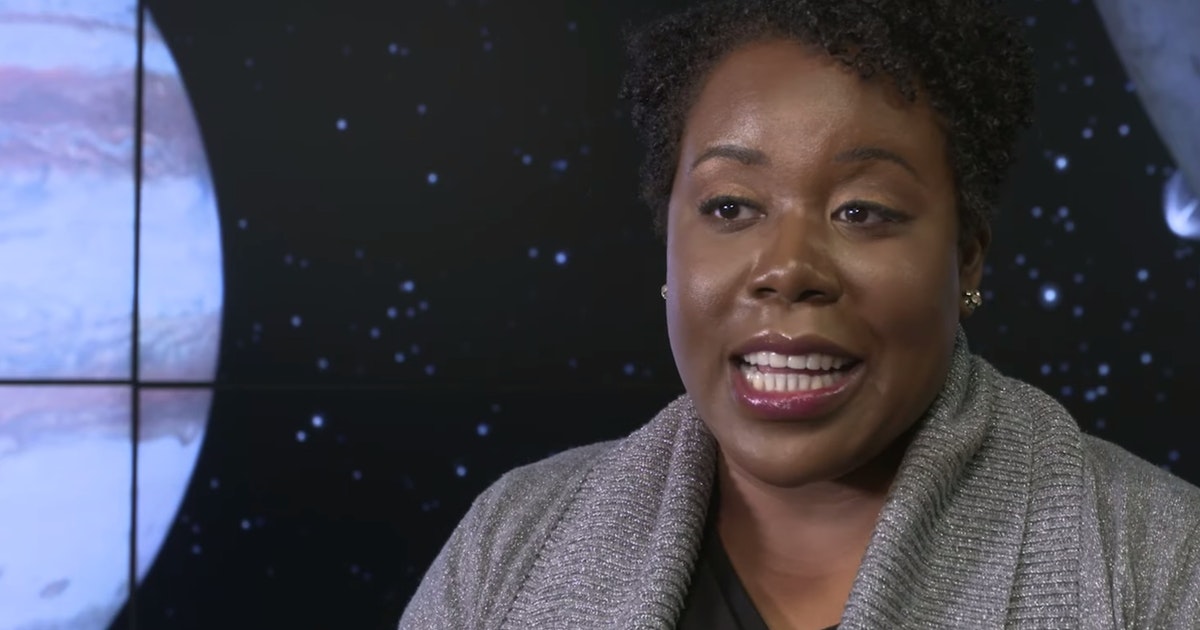 The 2021 Harold C. Urey Prize for outstanding achievement in planetary research by an early career scientist is awarded to Dr. Lynnae C. Quick (NASA Goddard Space Flight Center). Dr. Quick’s innovative scientific work focuses on geophysical processes writ large, reaching from the inner solar system, through the asteroid belt, to ocean worlds, and into the exoplanetary realm. She has revisited modeling of (cryo)lava domes on Venus and Europa, was the first to model the formation of Ceres’ “bright spots” via the transport of material from a deep brine reservoir to the surface, has repeatedly provided new insights into plumes on Jupiter’s moon Europa, and shed light on the abundance of extrasolar ocean worlds. In addition to her scientific pursuits, Dr. Quick is exceptionally engaged in the broader research community through her proactive leadership as a co-investigator on several space missions, as a member of the Outer Planets Assessment Group steering committee, the Planetary Science Decadal Survey 2023-2032 panel on ocean worlds and dwarf planets, and the National Society of Black Physicists. Dr. Quick’s advocacy work to diversify the field is particularly notable. She has mentored many early career planetary scientists and is leading the Dragonfly Student and Early Career Investigator Program. Every aspect of Dr. Quick’s career represents a positive outlook for the future of our community.
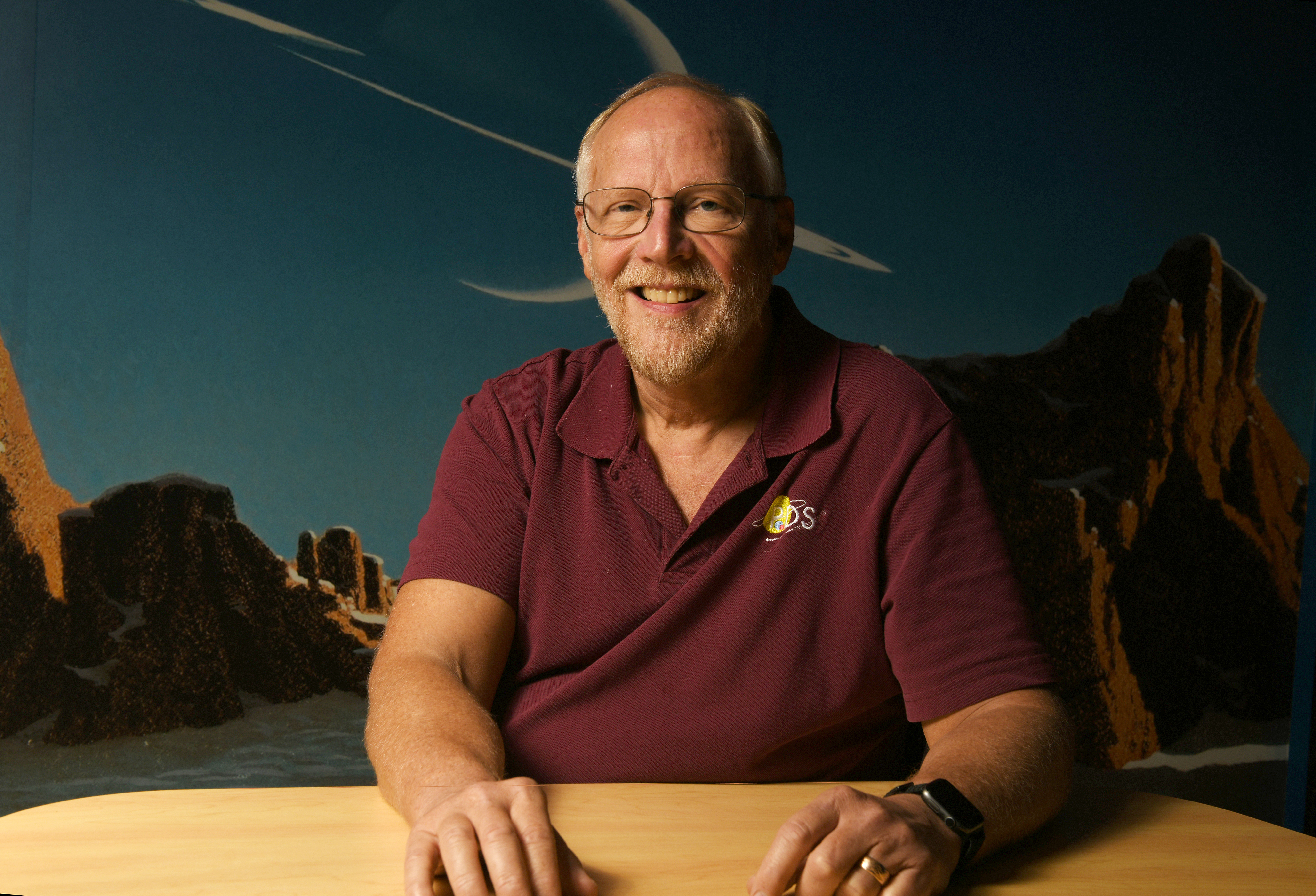 The 2021 Harold Masursky Award for meritorious service to planetary science goes to Dr. Mark Showalter (SETI Institute). Dr. Showalter’s service to the community has centered around his 30 years as Principal Investigator of the Planetary Data System Ring-Moon Systems Node. In this role, Dr. Showalter has gone above and beyond simply archiving ring data to providing invaluable search and ephemeris tools that assist the planetary science community as a whole. He has set up graphical tools for observation and proposal planning, and produced the original design and much of the initial implementation of the Outer Planets Unified Search tool, which supports more than 1.5 million outer planet system observations.
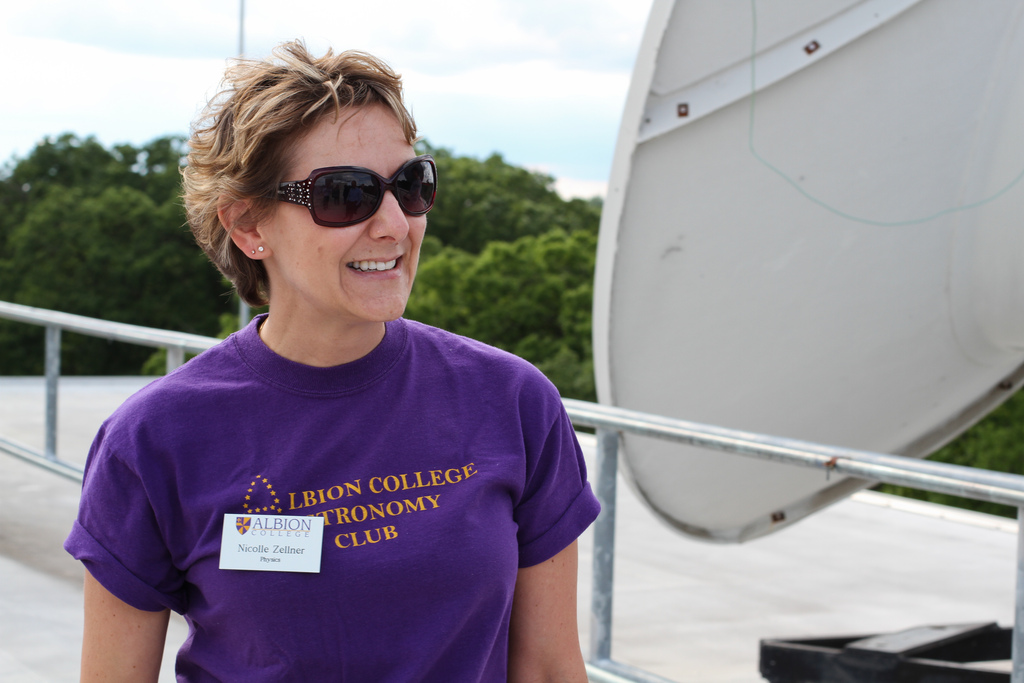 This year the DPS is awarding two Carl Sagan Medals for excellence in public communication. One goes to Dr. Nicolle Zellner (Albion College) for her effective and wide-ranging outreach activities, reaching diverse audiences and spanning more than 20 years. Dr. Zellner has spoken to thousands of people around the country and has reached millions more through her written articles, television appearances, radio interviews, and more. She uses every opportunity to convey her passion and enthusiasm for space science to audiences of all ages, often bringing these topics to audiences who might otherwise not seek them out. She regularly offers public observing nights at Albion College and encourages college and community members to look up, especially during worldwide events, such as the annual International Observe the Moon Night, the 2012 Venus transit, and the 2017 Great American Solar Eclipse. Dr. Zellner co-founded the public observing program at Rensselaer Polytechnic Institute, is a member of one of the first classes of NASA’s Solar System Ambassadors, and is also a member of the Astronomy in Chile Educator Ambassadors Program.
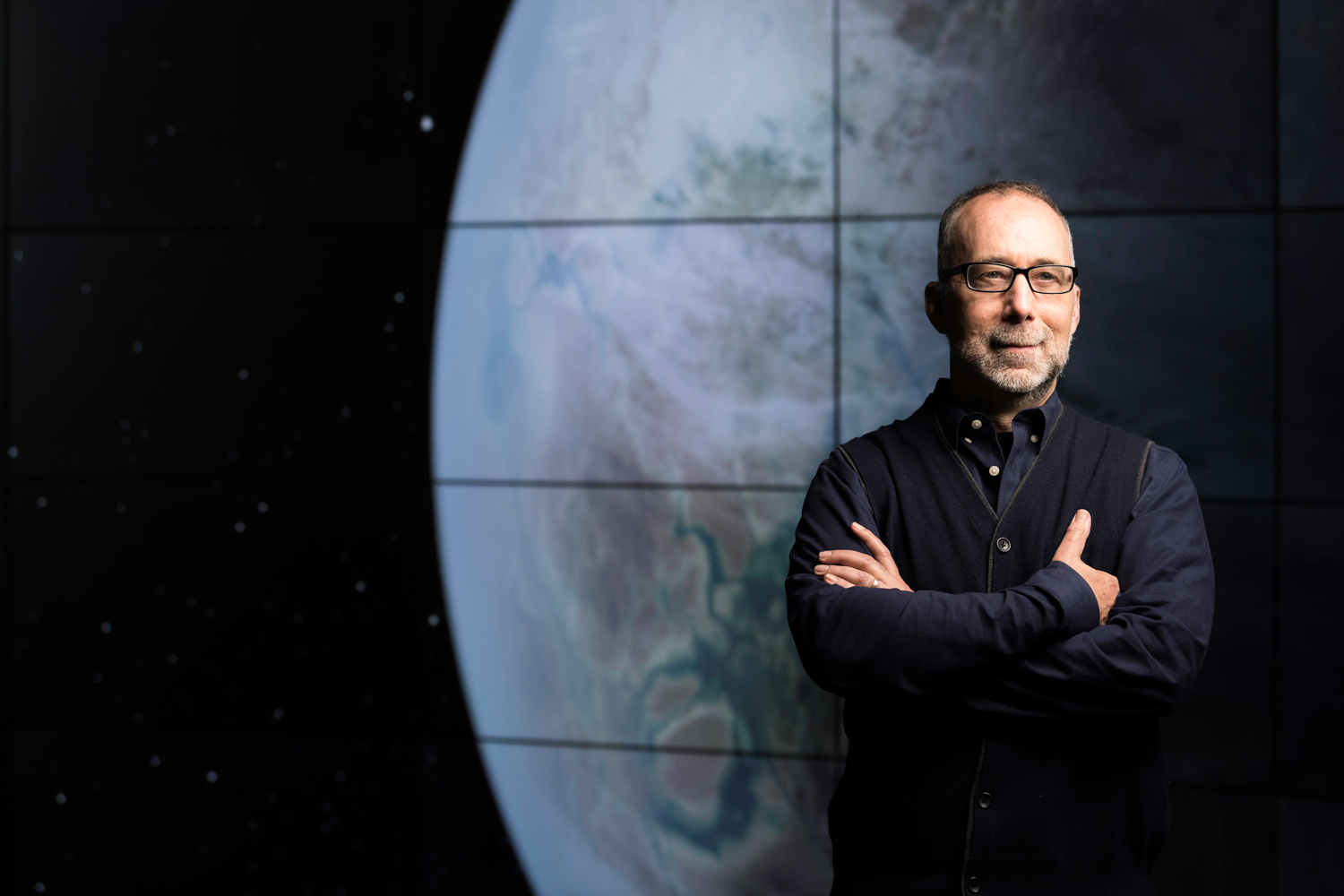 Also receiving the Carl Sagan Medal is Dr. Adam Frank (University of Rochester), for founding continuously sustained efforts and solid platforms from which science can be distributed to the public in an accessible form. He was the co-founder of the National Public Radio 13.7 blog, a frequent contributor to the New York Times, and the creator of the Coursera course “Confronting the Big Questions: Highlights of Modern Astronomy.” The 13.7 Cosmos and Culture blog was a highly trafficked science blog with yearly visits exceeding 13 million. Frank has also been a regular on-air commentator for NPR’s news show “All Things Considered.” Dr. Frank contributes to other publications like The Washington Post, The Atlantic and Scientific American and has authored four popular books arguing for the beauty of science and against science denial. He was also science advisor for Marvel’s “Doctor Strange” and has appeared on numerous science documentaries such as Netflix’s “Alien Worlds”.
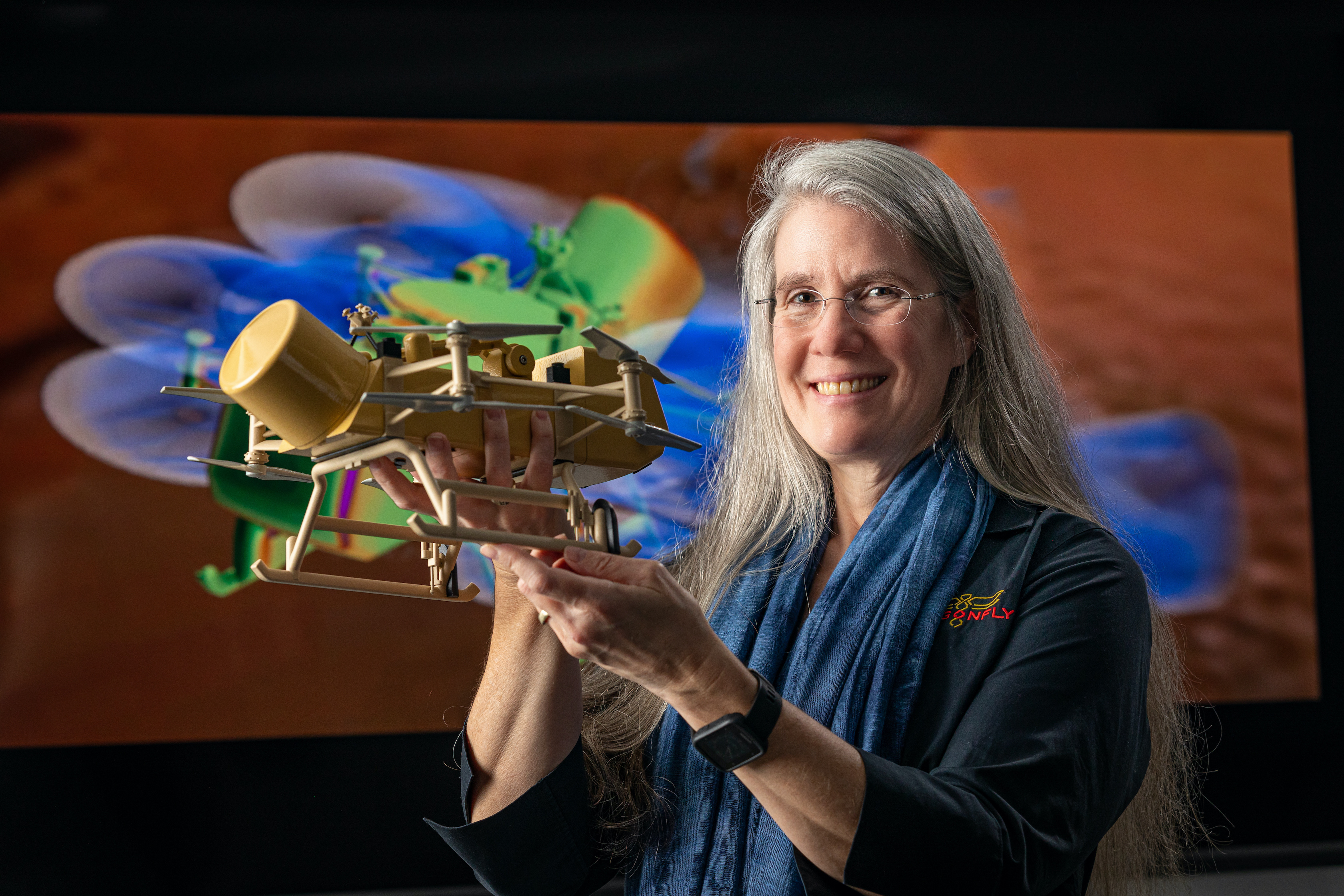 The DPS is pleased to award the inaugural Claudia J. Alexander Prize recognizing outstanding contributions by a mid-career scientist to Dr. Elizabeth Turtle (Johns Hopkins University Applied Physics Laboratory). Dr. Turtle’s research contributions to understanding geophysical features on planetary surfaces, and the processes that drive them, span the solar system. She played an integral role in the analysis and interpretation of countless images from the Galileo and Cassini missions, building an intimate understanding of the mechanisms that shape the surfaces of satellites such as Io, Europa, and Titan. One of her most heavily cited papers, “Rapid and Extensive Surface Changes Near Titan’s Equator: Evidence of April Showers” (Science, 2011), demonstrates her creative approach of synthesizing data from three instruments on Cassini to tell a captivating story about an infrequent rain shower in Titan’s equatorial region. It is also clear that Dr. Turtle’s impact on planetary science will only grow. She currently leads two major projects slated to broaden humanity’s understanding of the habitability and potential for life on two of the most enchanting ocean worlds in our solar system: the Europa Imaging System (EIS) on Europa Clipper and the New Frontiers Dragonfly mission to Titan. Dr. Turtle exemplifies leadership in the field by any metric and is extremely dedicated to public outreach and engagement well beyond the scientific community.
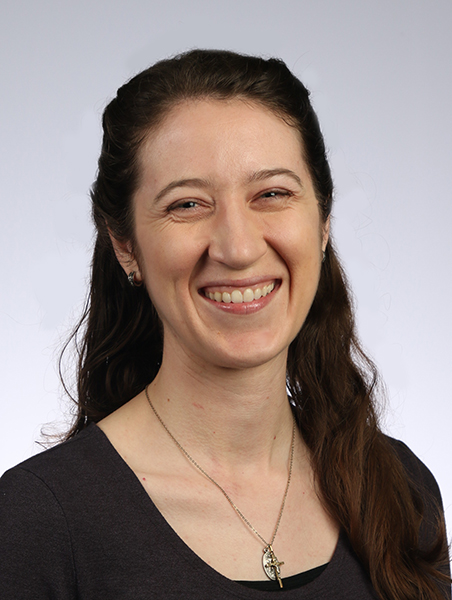 The Jonathan Eberhart Planetary Science Journalism Award for distinguished popular writing goes to Camille Carlisle for her article “Rugged Worlds” in the May 2020 issue of Sky & Telescope. In this thoroughly researched article, Carlisle provides a riveting account of the surprising discoveries and challenges encountered by the OSIRIS-REx and Hayabusa2 spacecraft during their visits to asteroids Bennu and Ryugu, respectively. She compares and contrasts the two missions, provides an overview of their contributions to asteroid science, and addresses the new questions raised by the findings. Her writing brings the excitement of planetary science to the general public. The article is a wonderful contribution to the field and will no doubt increase public interest in not only the two space missions but also more widely in solar system exploration.